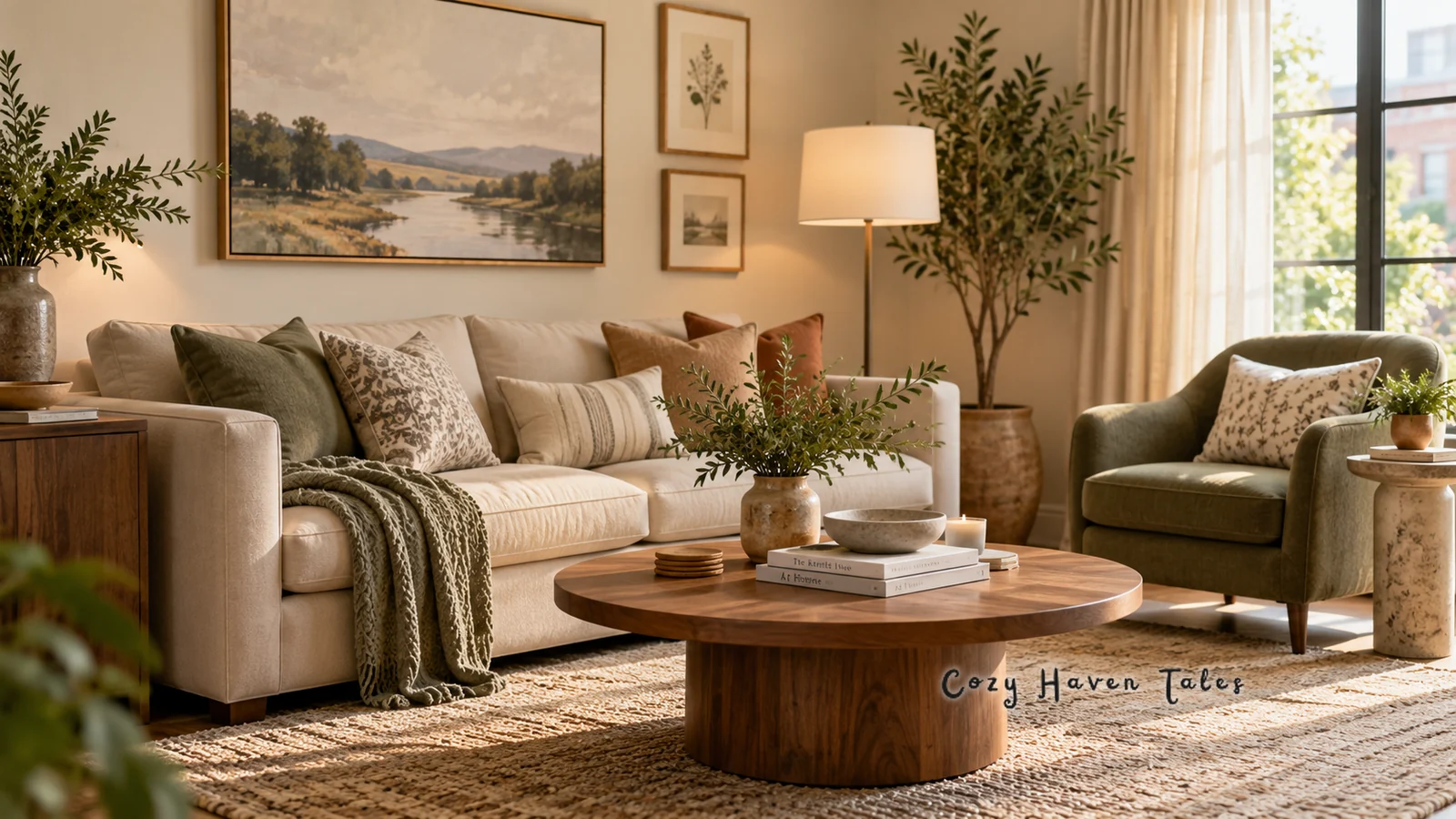
Quick answer: To make a small living room look bigger, give your eye fewer places to stop. Bounce light with one well-placed mirror, keep the walls in one color family, hang curtains high and wide, and pick furniture that shows some floor. If your room needs a full restart instead, my post on how to start over when you hate your living room is the place to begin.
A small living room is rarely a square-foot problem. It’s about where your eye lands. Every hard line and busy corner makes it pause, and when it pauses too often, the room reads as cramped. So each trick below lets your eye travel further before it hits a wall. None of them need a renovation.

Readers Also Enjoyed
- Easy Decorating Ideas to Brighten Up Your Home with Color
- 9+ Ways to Warm Up a Beige Living Room for Fall and Winter
- 23 Modern Contemporary Living Room Ideas to Inspire Your Next Renovation
11 Visual Tricks to Make a Small Living Room Look Bigger
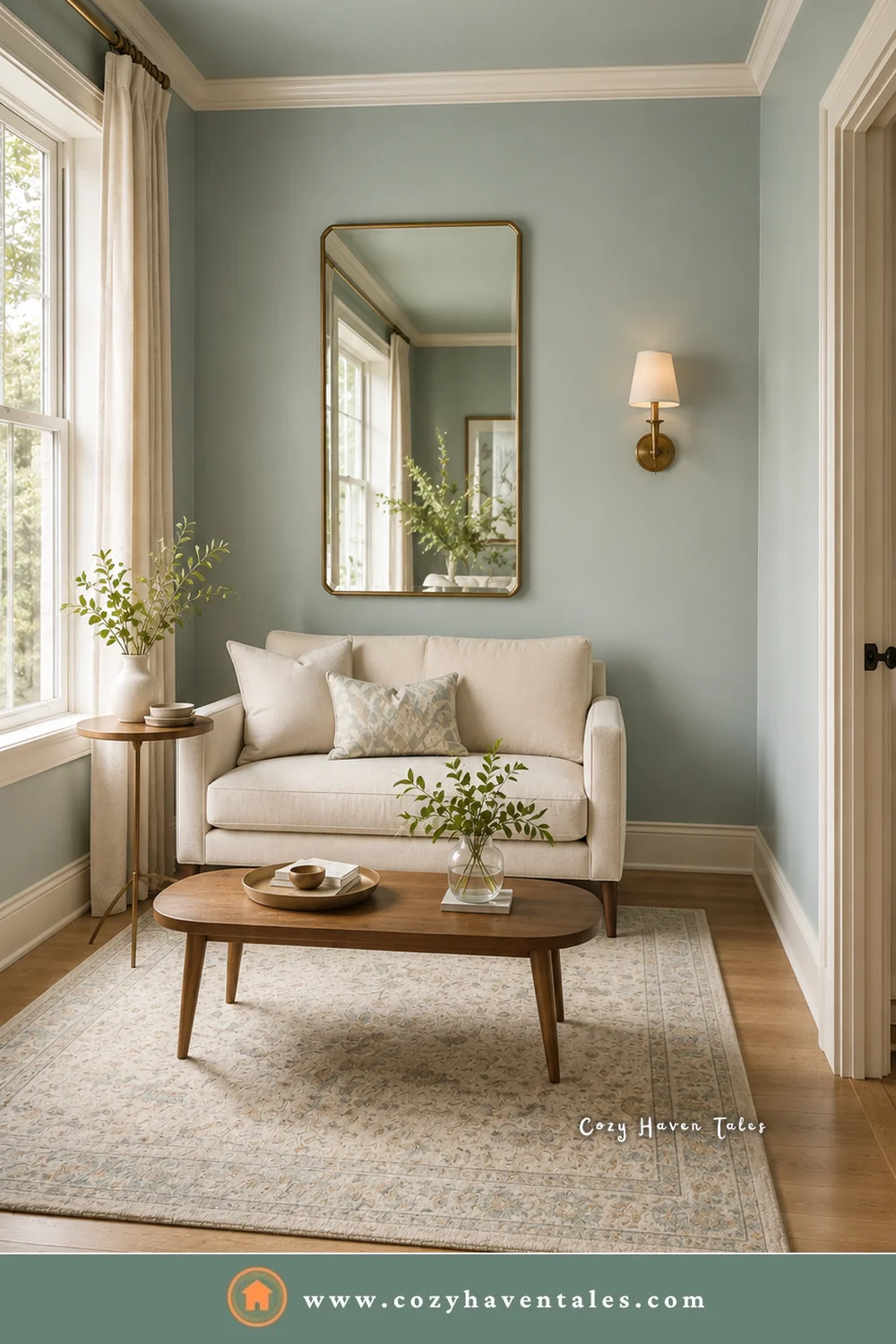
1. Put a mirror where the light already is. A mirror beside or opposite a window catches daylight and throws it back into the room. It works like a second window. Go for one large mirror, because a big one reads as a view while small ones read as decor. It’s the cheapest way to make a small living room look bigger. I’d stop at two, though, or it starts to feel like a fitting room.
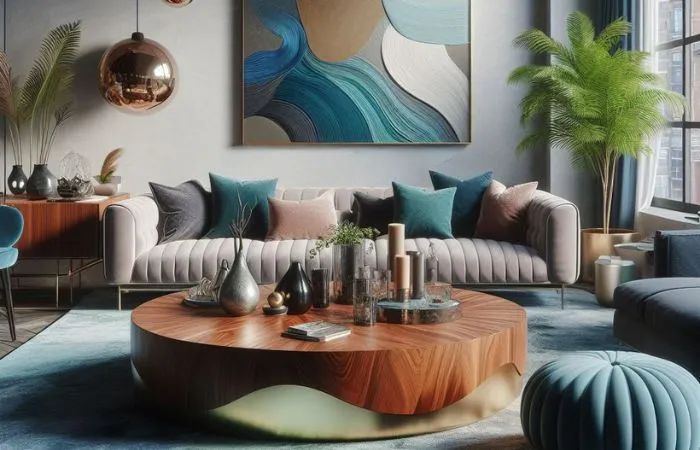
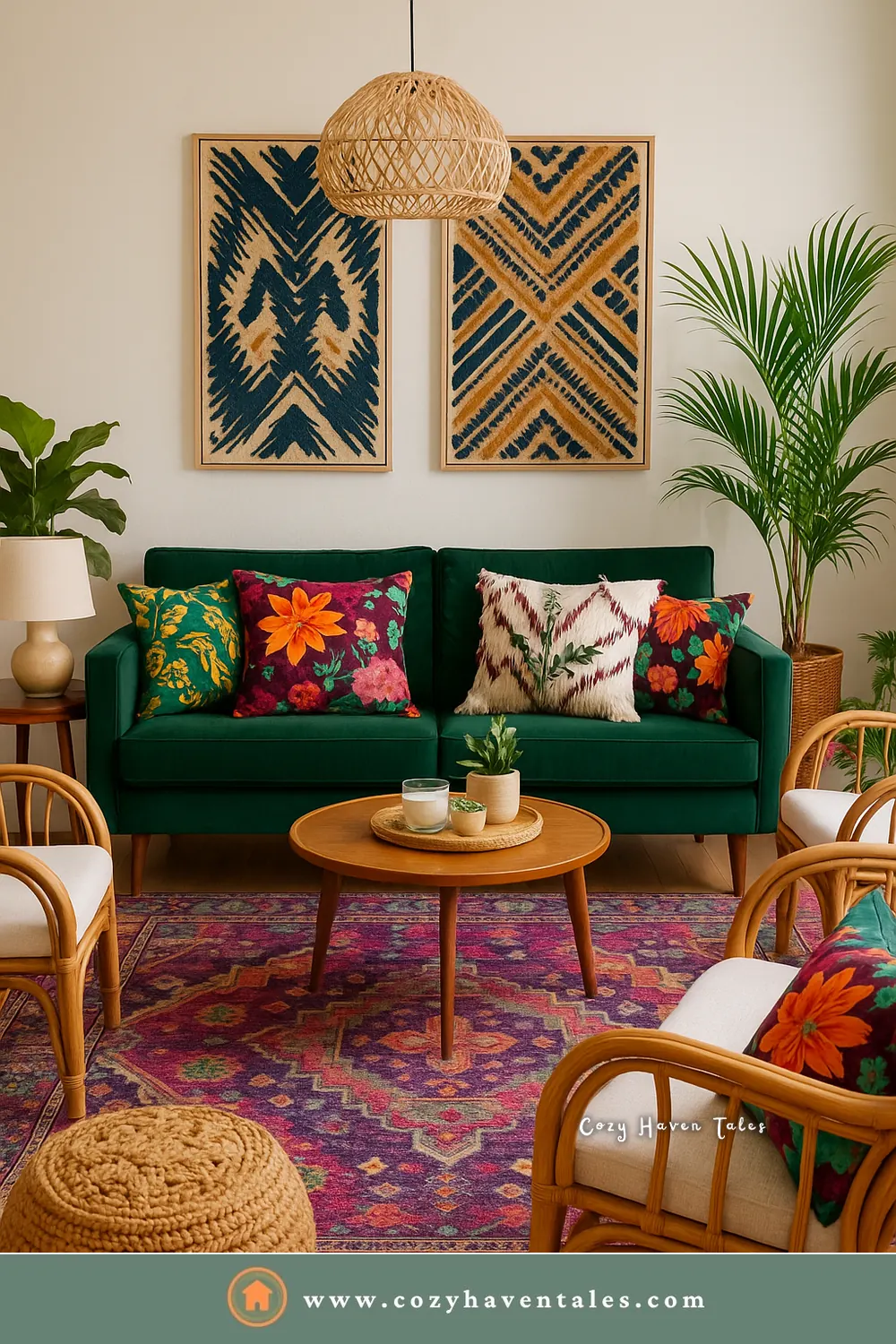
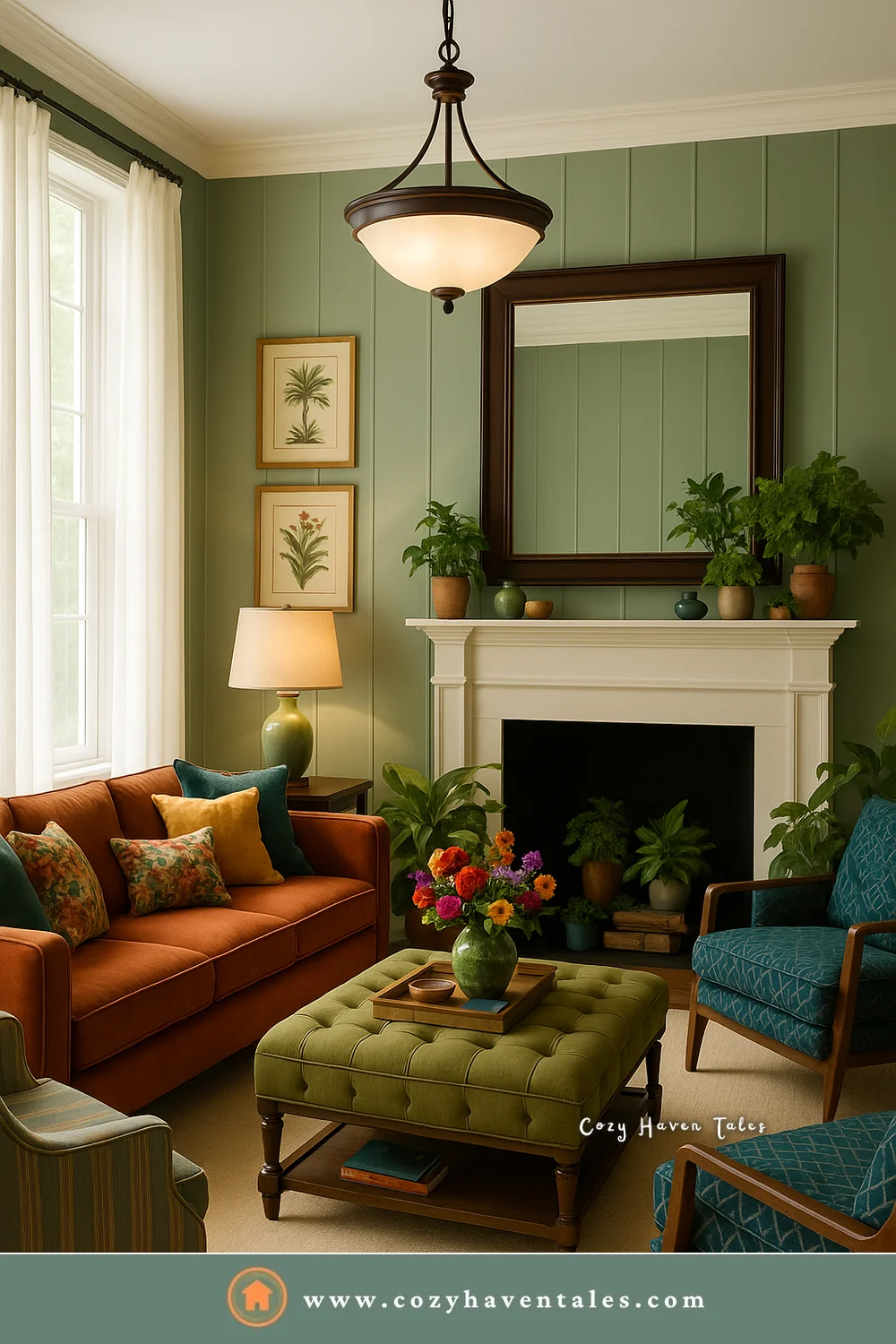
2. Love bold color? Put it on the walls. A small room doesn’t mean you’re stuck with beige. Keep the big pieces light or neutral: the sofa, the rug, the coffee table, the dining chairs. Then put the bold color on the vertical plane, like the walls, the art, the shelves, and a few pillows. The floor stays calm, so the room still feels open, and your eye travels up to the color. So go vibrant if you love it. A small living room can take it.

3. Hang curtains high and wide. This is the one I’d start with. Curtains hung right at the frame tell everyone how small the window is. Move the rod about 6 to 12 inches above the frame and 5 to 10 inches past each side, and the window looks taller and wider. Let the panels just kiss the floor. I’ve raised curtain rods near the ceiling for clients, and the room changes almost at once. Light linen close to the wall color adds height without weight. My guide on how to choose curtains helps with fabric and length.

Readers also loved: 38 Minimalist Living Room Ideas That Still Feel Warm and Inviting
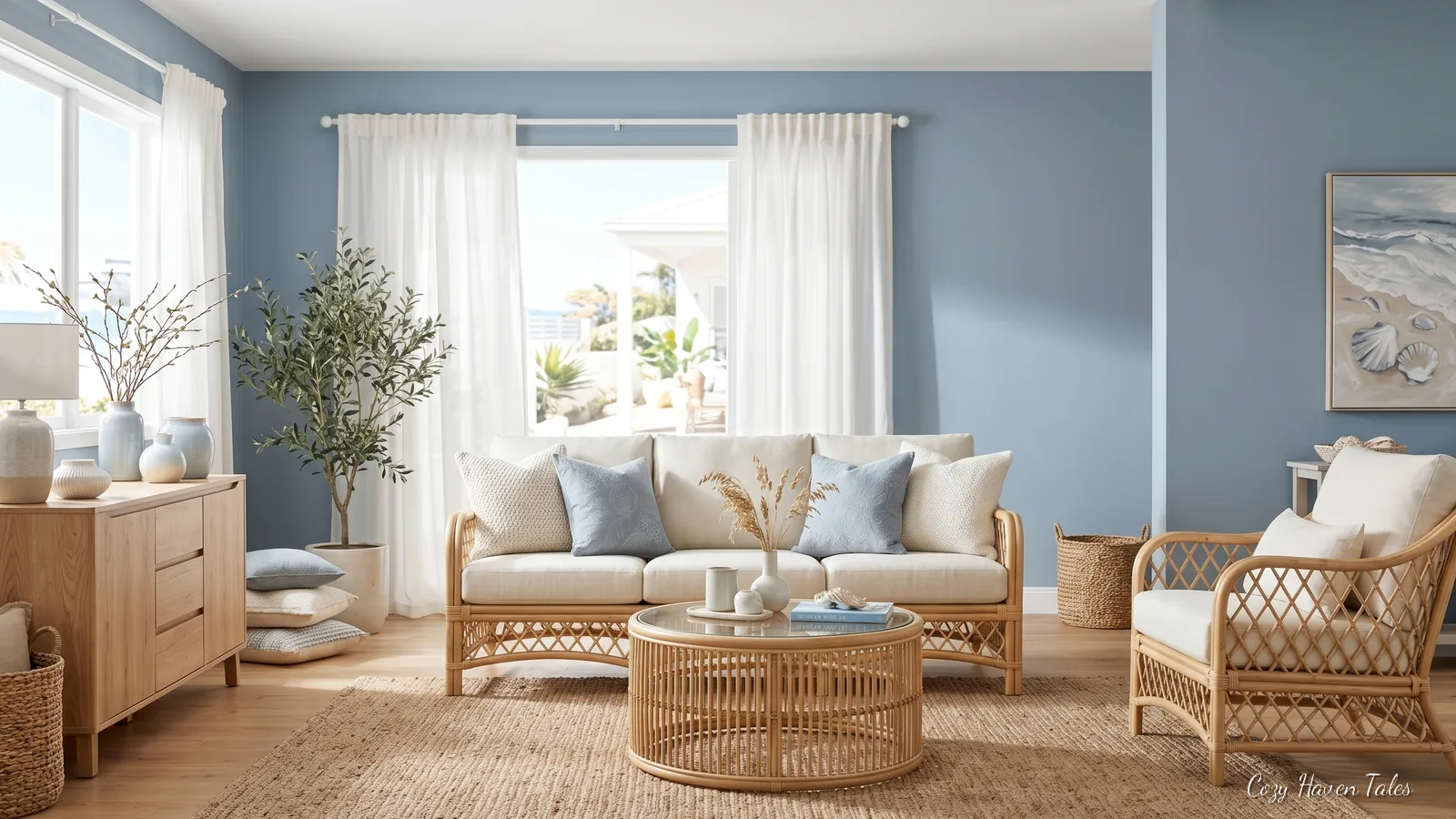
4. Keep walls, trim, and ceiling in one color family. Contrast draws lines, and lines show exactly where a room ends. When the walls, trim, and ceiling share one shade family, those edges blur, so the room feels wider. It doesn’t have to be white. Soft greige, pale sage, or even deep blue works, as long as you stay in one family. A sofa in a close shade then melts into the wall instead of blocking it. My living room paint colors roundup is a good place to browse.
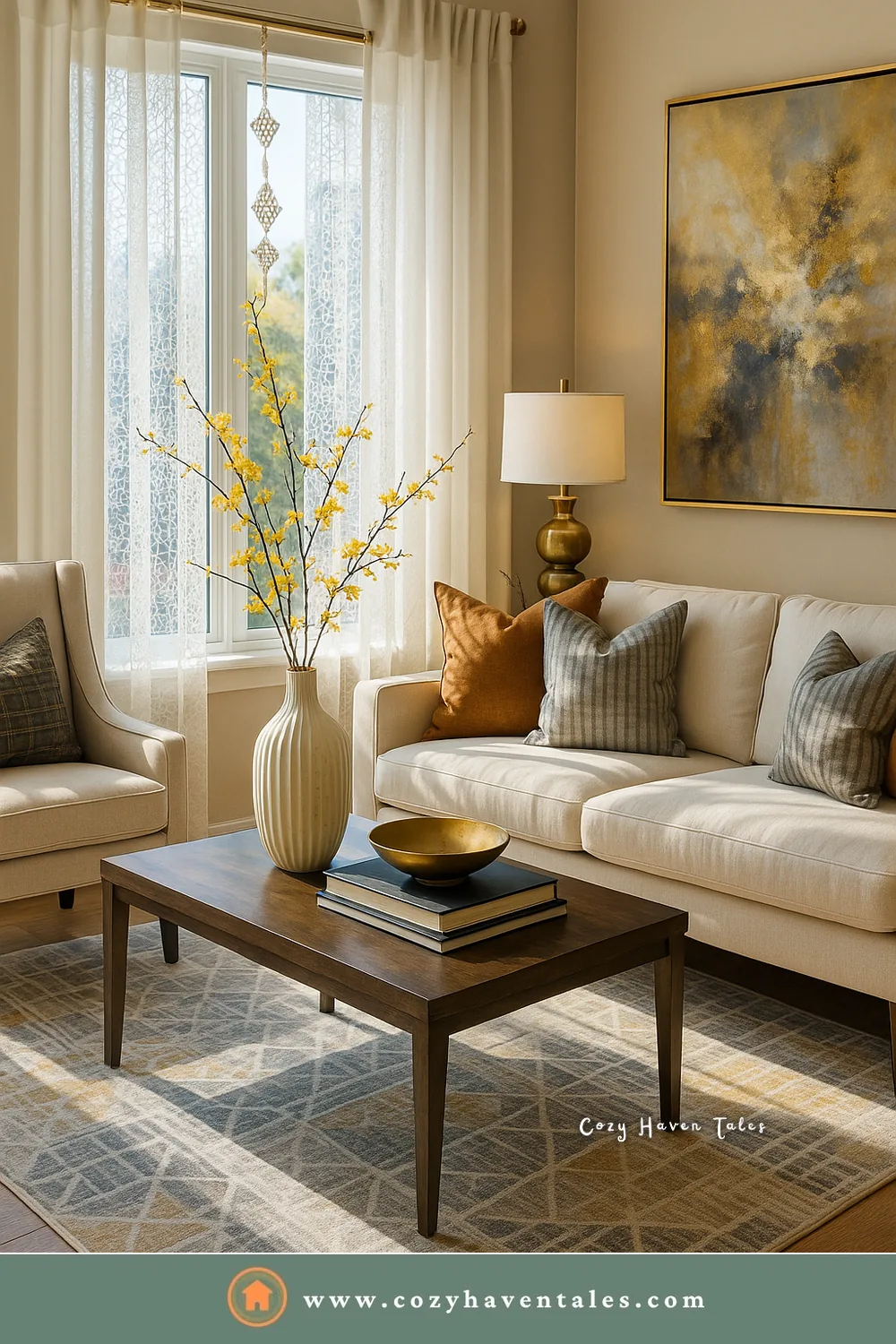
5. Pick pieces that show some floor. A sofa skirted to the ground is a solid block. Lift it onto slim legs, and you see the floor running underneath, so the room seems to carry on. Side tables, the TV console, and chairs work the same way. Look for open wood or thin metal frames, or a glass coffee table that almost disappears. Love your skirted sofa? Keep it, and make the pieces around it leggy instead.
6. Size the rug up, not down. A small rug floating under the coffee table cuts the floor into pieces and shows exactly how little floor there is. A bigger rug pulls the seating into one zone, and your eye reads that zone as generous. For the money, I think it’s the furniture fix that does the most to make a small living room look bigger. Aim for at least the front legs of the sofa and chairs on the rug. In many rooms, that means an 8 x 10 rather than a 5 x 7, so tape the outline on the floor before you buy. A low-pile rug close to the floor tone keeps it quiet.
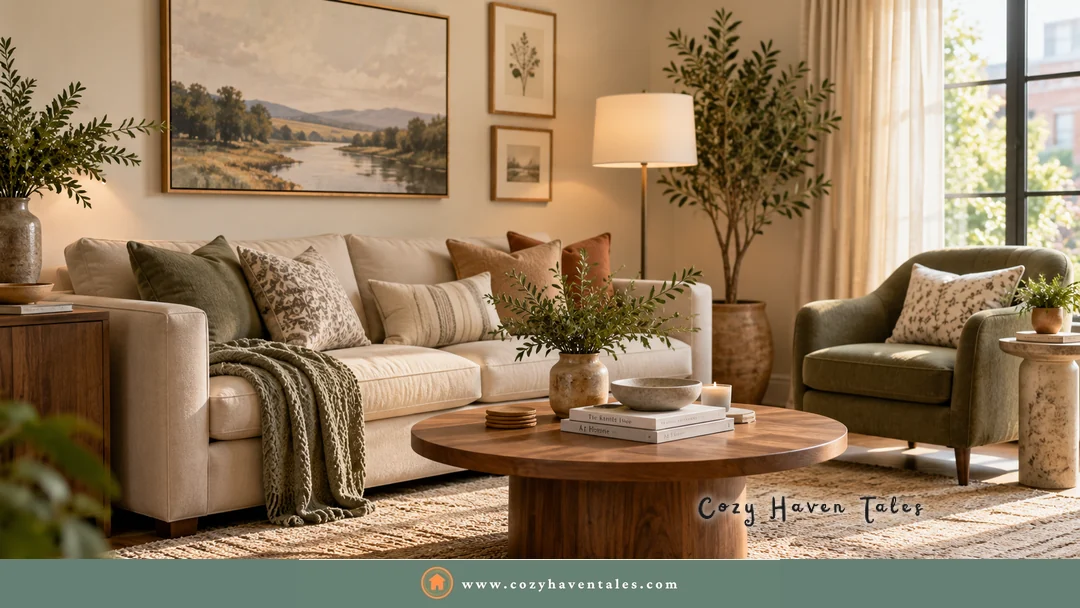
7. Choose one right-sized sofa over lots of small seats. This one surprises people. A tiny loveseat, two small chairs, and a pouf give you lots of little shapes, and the room starts to look like a dollhouse. One well-scaled sofa with slim arms and a tight back gives your eye a single shape to rest on, which does more to make a small living room look bigger than any small chair. Measure the wall first and leave room to walk at both ends.
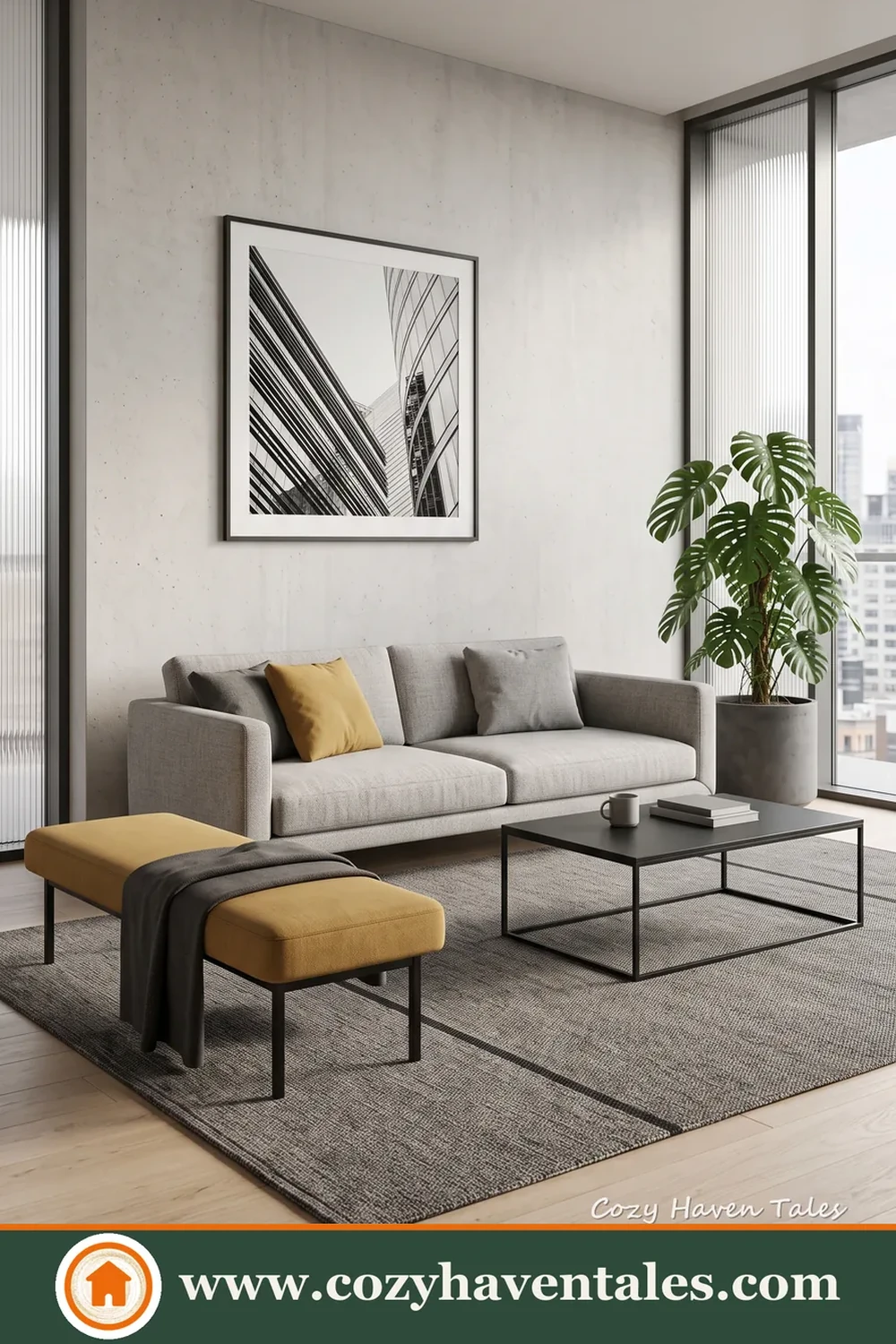
8. Store up, not out. Tall shelving pulls your eye toward the ceiling, and that vertical line makes the walls feel taller. It also holds more on less floor. Go floor to ceiling if you can, painted the wall color, so the unit blends in instead of standing out as a big box. Fill each shelf only about two-thirds of the way. Swapping a floor lamp for a wall sconce helps too, because it frees floor and adds light.

9. Keep the walkways clear. A room you have to squeeze through feels smaller than it is. Leave a clear path of about 30 inches where people walk, or 36 if you can. Keep the coffee table about 14 to 18 inches from the sofa, close enough to reach your mug, open enough to pass. Pulling the sofa a little off the wall also adds shadow and depth, so the room stops feeling flat. The same thinking works in bedrooms, as in these ideas to make a small bedroom look less cluttered.
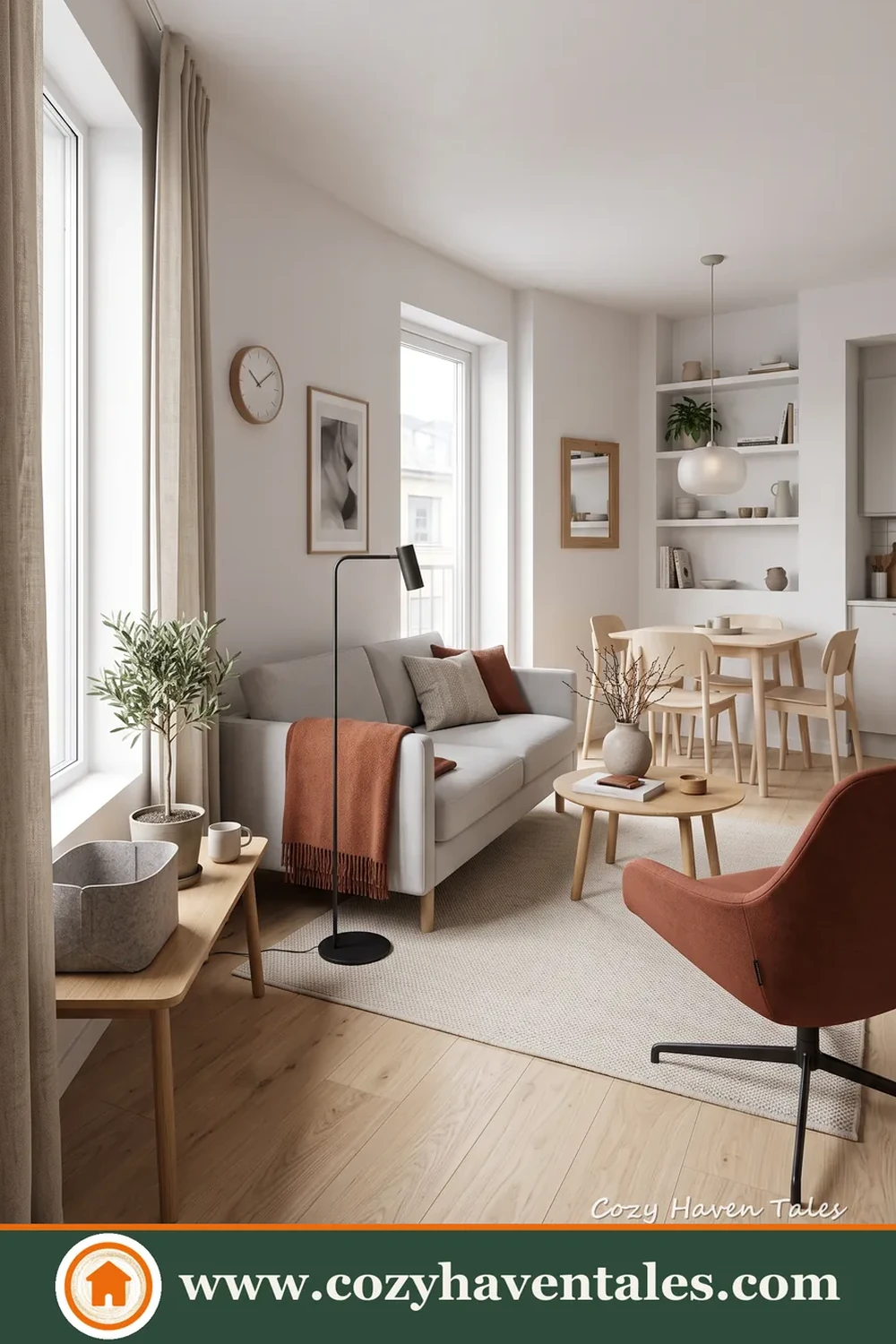
Readers also loved: 22 Common Interior Design Mistakes to Avoid
10. Choose fewer, bigger accessories. Ten little frames and a crowd of small vases each ask for a look. Together they feel busy, and busy reads as small. One large piece of art over the sofa makes the wall look bigger instead. On the coffee table, group three things, like books, a bowl, and a small plant. Then stop. Think of accessories like seasoning. A little adds flavor, too much ruins the dish.
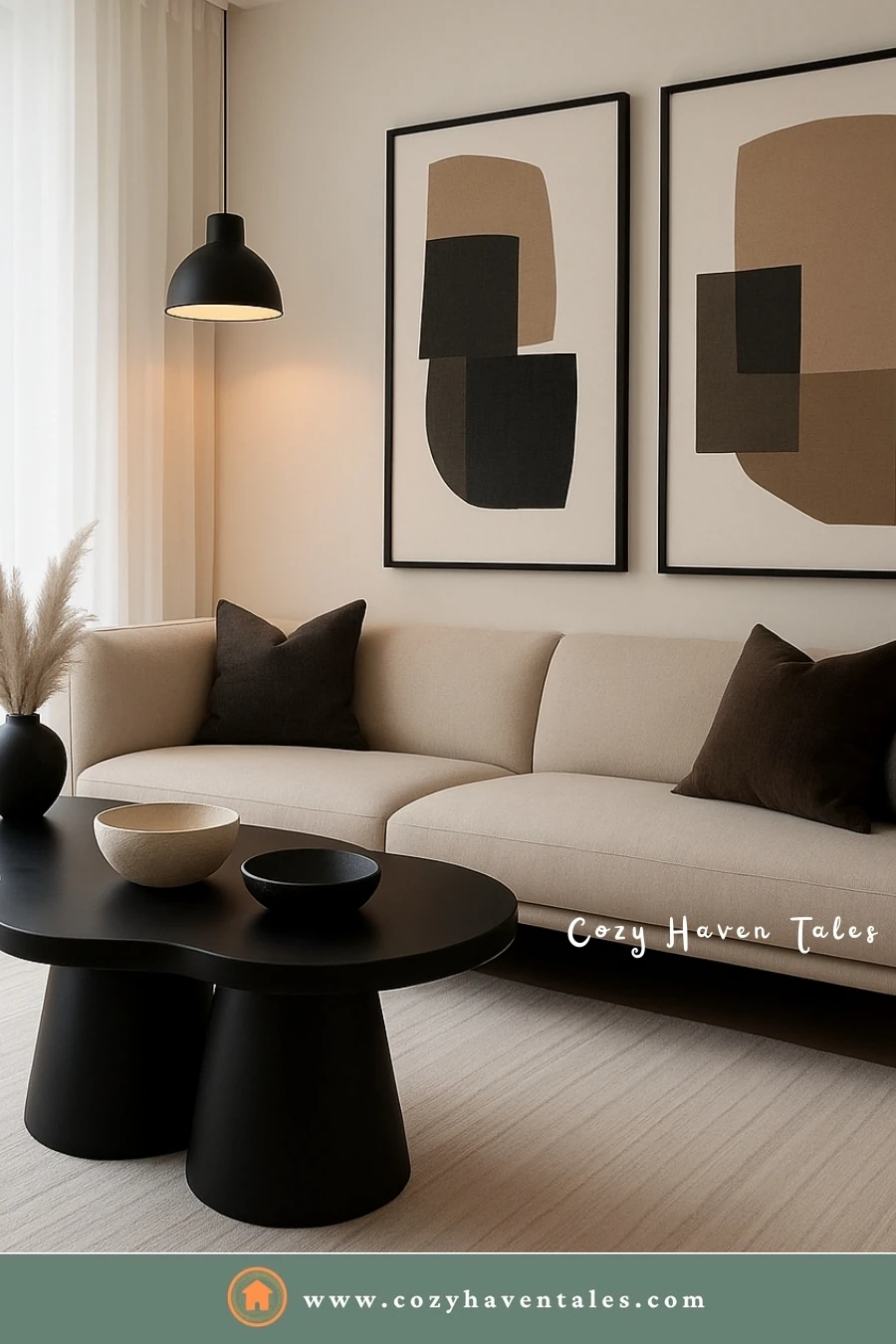
11. Light the corners, not just the center. A single ceiling light leaves the corners dark, and dark corners pull the walls in. Add light at different heights instead: a lamp in one corner, a sconce on a wall, maybe a small lamp on a shelf. Warm 2700K bulbs keep it cozy. Once every corner glows, you see the whole room at once. Good evening light is how you make a small living room look bigger after sunset.
Mistakes That Make a Small Living Room Feel Smaller
- Pushing every piece against the walls. It leaves an empty middle and feels like a waiting room.
- One dark accent wall in a light room. It stops the eye. Use the color everywhere or skip it.
- Blocking the window. A tall bookcase or a sofa back in front of the glass cuts the light you need most.
- Too many patterns at once. A busy rug, busy pillows, and busy curtains fight each other. Pick one pattern and keep the rest plain.
You don’t have to do all eleven at once. If you want to make a small living room look bigger this weekend, start with the curtains and the rug, then step back and look again. The room doesn’t need to pretend it’s big. It just needs to stop making your eye work so hard.
Make a Small Living Room Look Bigger: FAQs
Raise the curtain rod and clear the surfaces. Both take an afternoon and cost very little.
Not always. A dark shade on the walls, trim, and ceiling can blur the corners and make the room feel deeper. One dark wall in a light room is what shrinks it.
One big enough for at least the front legs of the sofa and chairs, often an 8 x 10.
Not every piece. Pulling the sofa a few inches off the wall adds depth, as long as walkways stay about 30 inches wide.
Helpful Resources
- 5 clever design tricks to make a small home look bigger, an NPR piece (via Michigan Public) where designers share their measurements for curtains, walkways, and floating furniture.
- The Inspired Room, a long-running home blog full of ideas for making an everyday home feel restful and cozy.