Quick Summary
To find your interior design style, begin by noticing the colours, materials, furniture shapes, and moods you repeatedly enjoy—not by forcing yourself into one style label. Collect images of rooms you would genuinely like to live in, look for common patterns, and consider whether those choices suit your lifestyle. Your personal style may be a mix, such as Modern Transitional with Indian details or Japandi with Mediterranean warmth. The goal is not to name your style perfectly. It is to create a clear direction that helps you choose furniture, colours, lighting, and décor with greater confidence.
How to Find Your Interior Design Style
Finding your interior design style can feel confusing when you like many different things.
You may admire the simplicity of a Japandi bedroom, the warmth of a Mediterranean kitchen, and the character of traditional wooden furniture. That does not mean your taste is inconsistent. It usually means your personal style is made from more than one influence.
In my experience, most people already have a design style—they simply have not identified the pattern yet.
Your preferences often appear in places beyond your home: the clothes you feel comfortable wearing, the hotels and cafés you enjoy, the colours you repeatedly save, and even the objects you have kept for years.
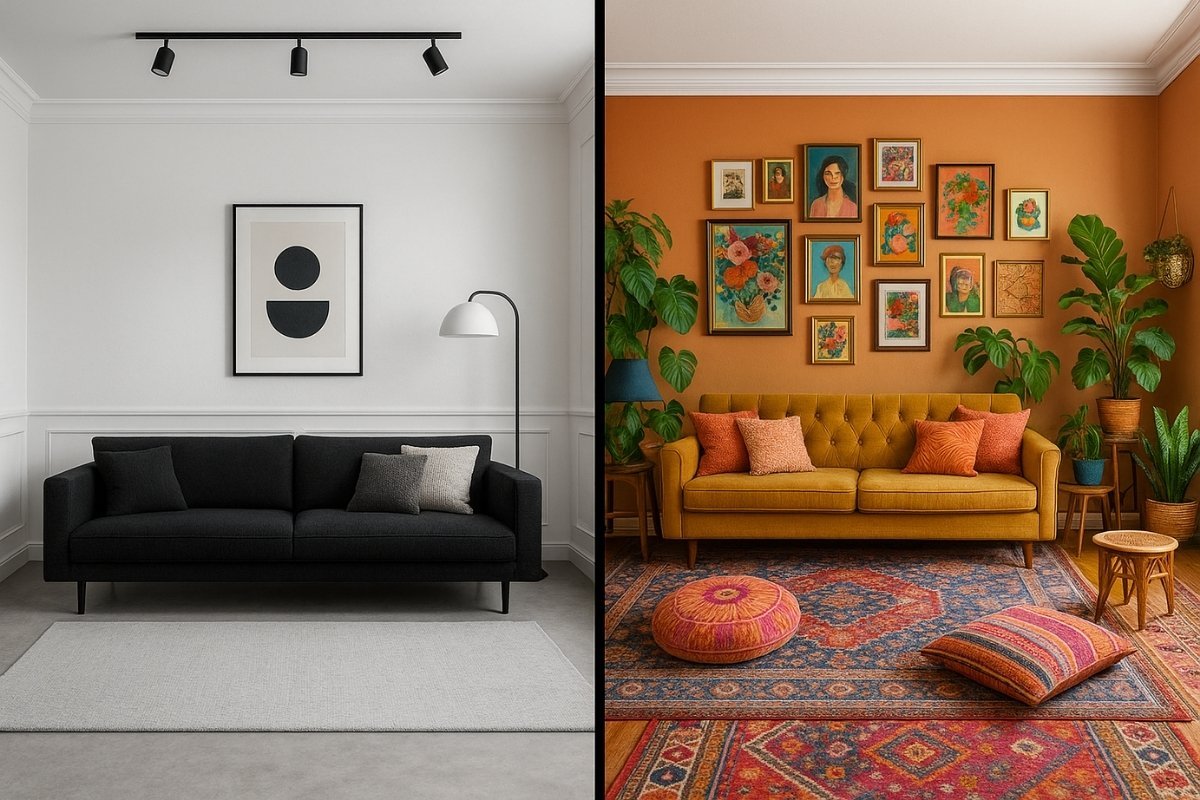
However, there is an important difference between a room you enjoy looking at and one you would enjoy living in every day. A dramatic black living room may look beautiful in a photograph, but it may not suit someone who prefers bright, relaxed spaces. Similarly, a completely white minimalist home may appear calming online but feel too empty for a person who enjoys books, artwork, and collected objects.
One suggestion I often share is to begin with how you want your home to feel and function, rather than choosing a style label immediately.
Once that becomes clear, names such as Contemporary, Traditional, Japandi, Bohemian, or Mid-Century Modern become helpful reference points—not rules you have to follow.
Recommended for You-
- How to Achieve Industrial Interior Design Style Look- 10 Ideas
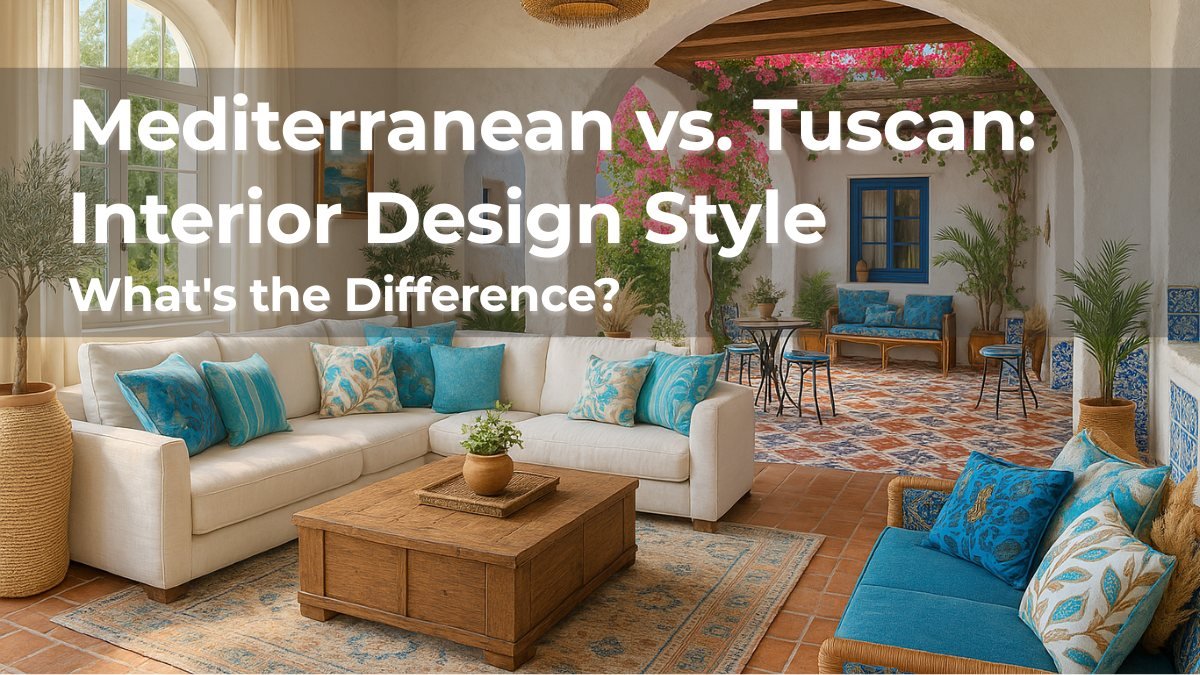
- Differences Between Mediterranean and Tuscan Interior
- 24 Inspiring Black and White Checkered Floor Design Ideas
Why Knowing Your Interior Design Style Matters
Knowing your interior design style gives you a filter for making decisions.
Without that filter, it is easy to buy individual pieces that look attractive in a showroom or online but feel disconnected once they are placed together.
A clear style direction helps you:
- Choose colours and materials that work together
- Avoid impulsive or trend-driven purchases
- Mix existing and new furniture more successfully
- Explain your preferences to a designer, contractor, or family member
- Create a home that supports your everyday life
- Spend more confidently on pieces you will continue to enjoy
It can also help you understand why a room feels slightly “off,” even when every individual item is beautiful.
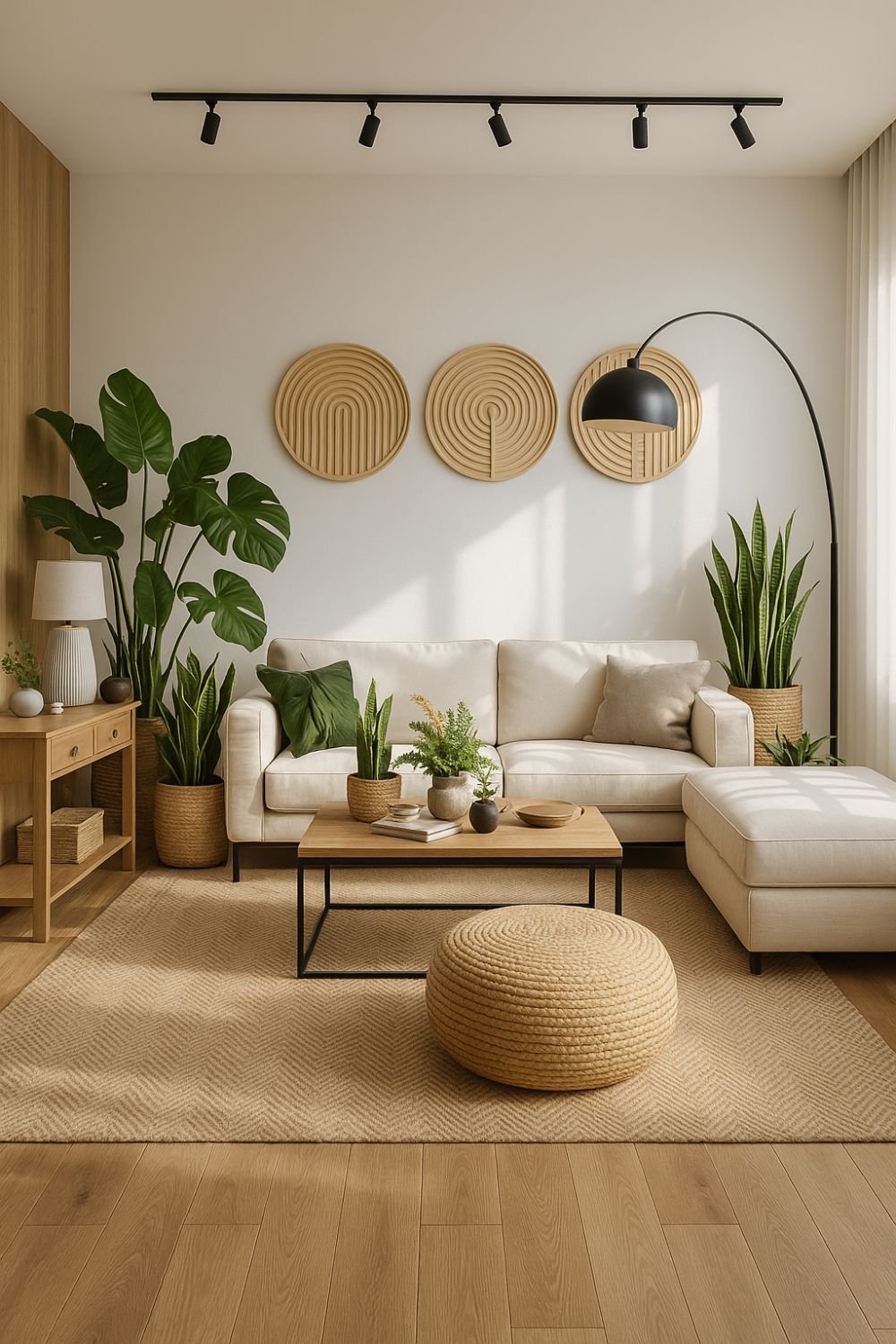
The problem is not always the furniture itself. Sometimes the pieces have different visual languages—one may be sleek and contemporary, another heavily rustic, and another highly decorative—with nothing connecting them. Your home does not need to follow one interior style perfectly. In fact, most interesting homes do not. It simply needs enough repetition in colour, material, shape, or mood to feel intentional.
Once you understand those recurring preferences, decorating becomes less about copying complete rooms and more about choosing what genuinely belongs in yours.
Step 1: Decide How You Want Your Home to Feel
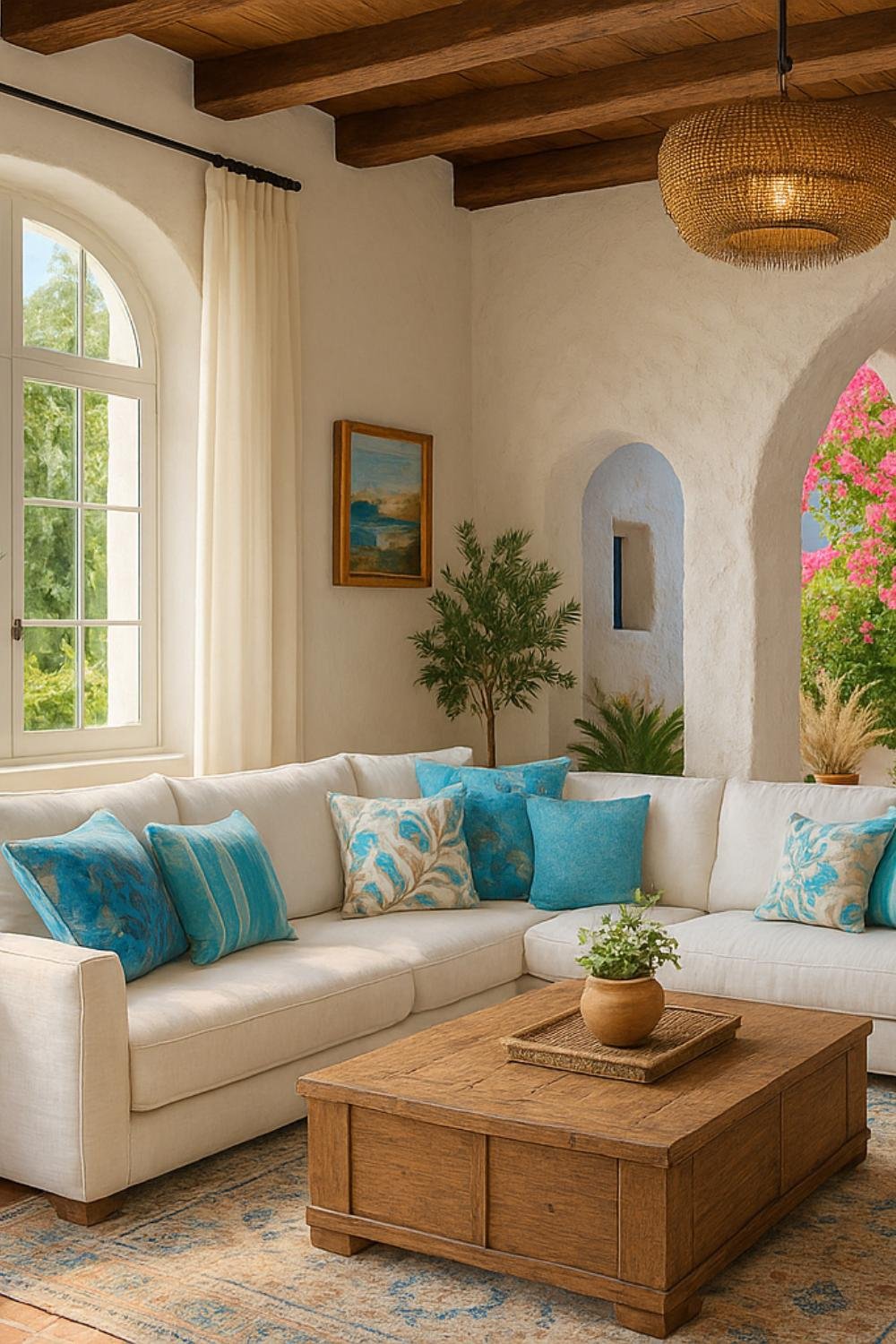
Before choosing a style name, think about the atmosphere you want to create. Do you want your home to feel calm, warm, cheerful, elegant, creative, or relaxed?
Choose three words that describe your ideal home. For example:
- Warm, earthy, and inviting
- Calm, simple, and light
- Colourful, layered, and expressive
- Elegant, comfortable, and timeless
These words will help you judge whether a colour, piece of furniture, or material truly belongs in your home.
I find this approach more reliable than beginning with labels such as Modern, Bohemian, or Traditional. A style name can guide you later, but the feeling should come first.
Step 2: Consider How You Actually Live
Your interior design style should suit your daily life, not just look attractive in photographs.
Think about how you use each room.
Do you entertain often? Do you prefer relaxed seating? Do you need plenty of storage? Are there children, pets, or elderly family members to consider? Do you enjoy displaying objects, or do too many visible items make the room feel cluttered for you?
These practical details influence your style more than you may realise.
For example, someone who enjoys informal family gatherings may need deep seating, washable fabrics, flexible furniture, and warm lighting. Someone who prefers visual calm may feel more comfortable with simple furniture, closed storage, and fewer accessories.
One thing I tell clients is that a beautiful room should also make everyday life easier.
Step 3: Collect Interior Images You Genuinely Love
Create a Pinterest board, Instagram folder, or album on your phone and save rooms that immediately appeal to you.
Do not worry about naming the style yet.
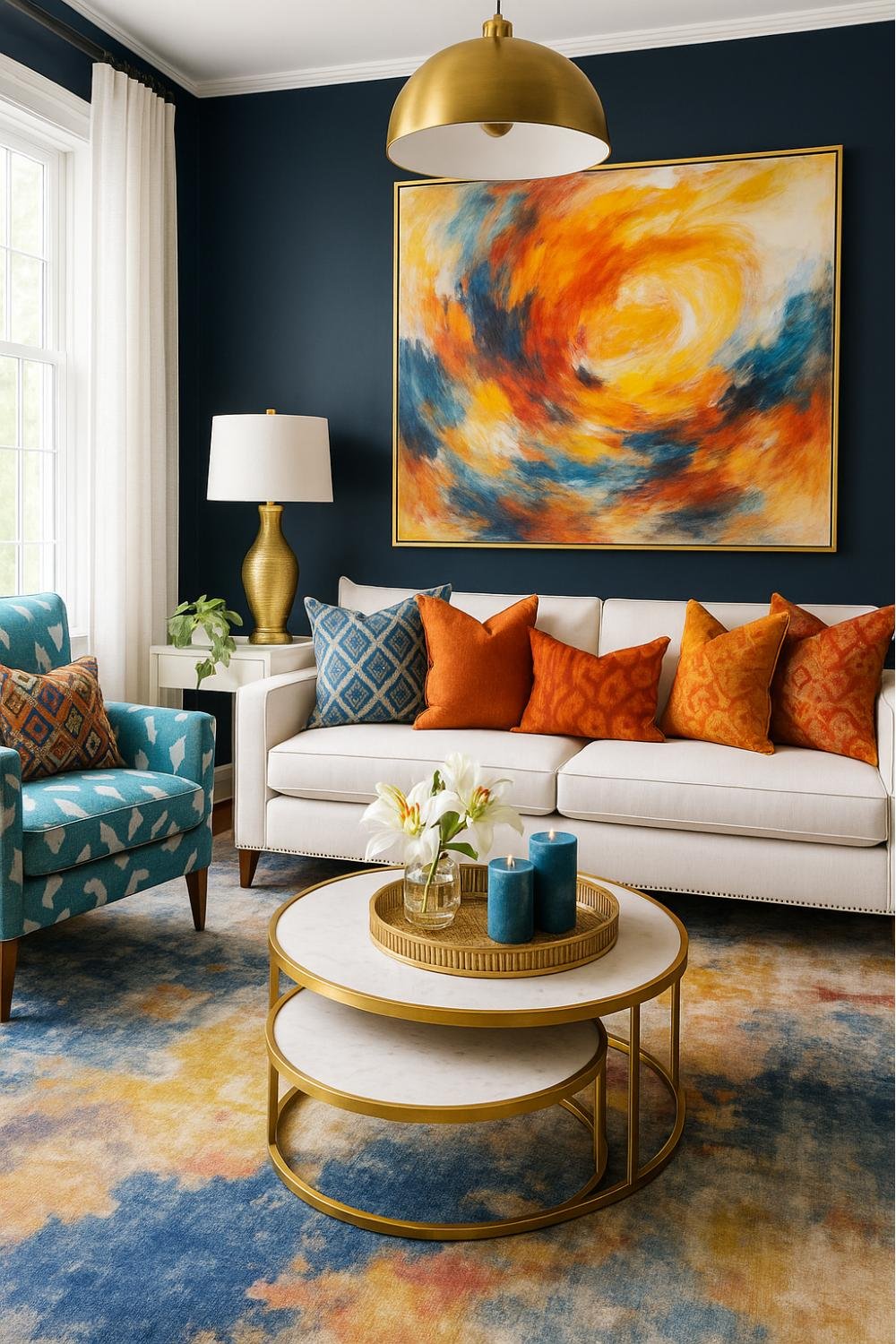
Collect complete room images rather than only close-ups of cushions, lamps, or decorative objects. Full-room photographs help you notice furniture shapes, layout, lighting, scale, and the overall mood.
You can also include:
- Hotels and cafés you enjoyed
- Film or television interiors
- Travel photographs
- Artwork
- Materials such as wood, stone, fabric, or metal
Aim for around 20 to 30 images.
At this stage, follow your instinct—but save rooms you would genuinely enjoy living in, not only rooms that look impressive online.
That difference becomes important in the next step.
More to Explore: From Drab to Fab: 10 Ideas to Make Your Dull Home Look Vibrant
Step 4: Edit Your Inspiration Board
Once you have collected enough images, review them again more carefully.
Remove any room that you saved only because it looked fashionable, dramatic, or beautifully photographed. Ask yourself:
- Would I enjoy living in this room every day?
- Do I like the whole space or only one element?
- Would it suit my home and lifestyle?
- Does it reflect the feeling I chose in Step 1?
You may realise that some rooms feel too formal, too empty, too dark, or too cluttered for you. That is useful information. I find that dislikes can be just as revealing as preferences.
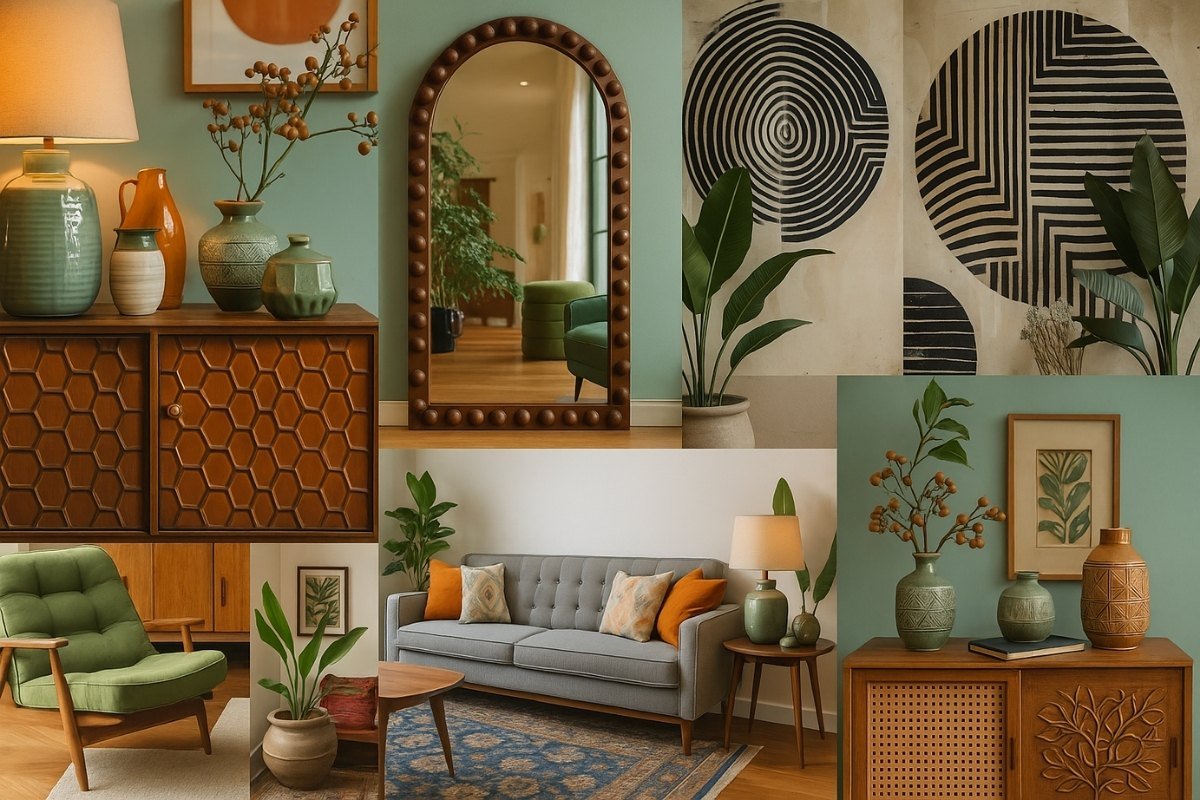
Your final board does not need to look perfectly coordinated, but every image should represent something you genuinely want in your home.
Step 5: Look for Repeating Design Elements
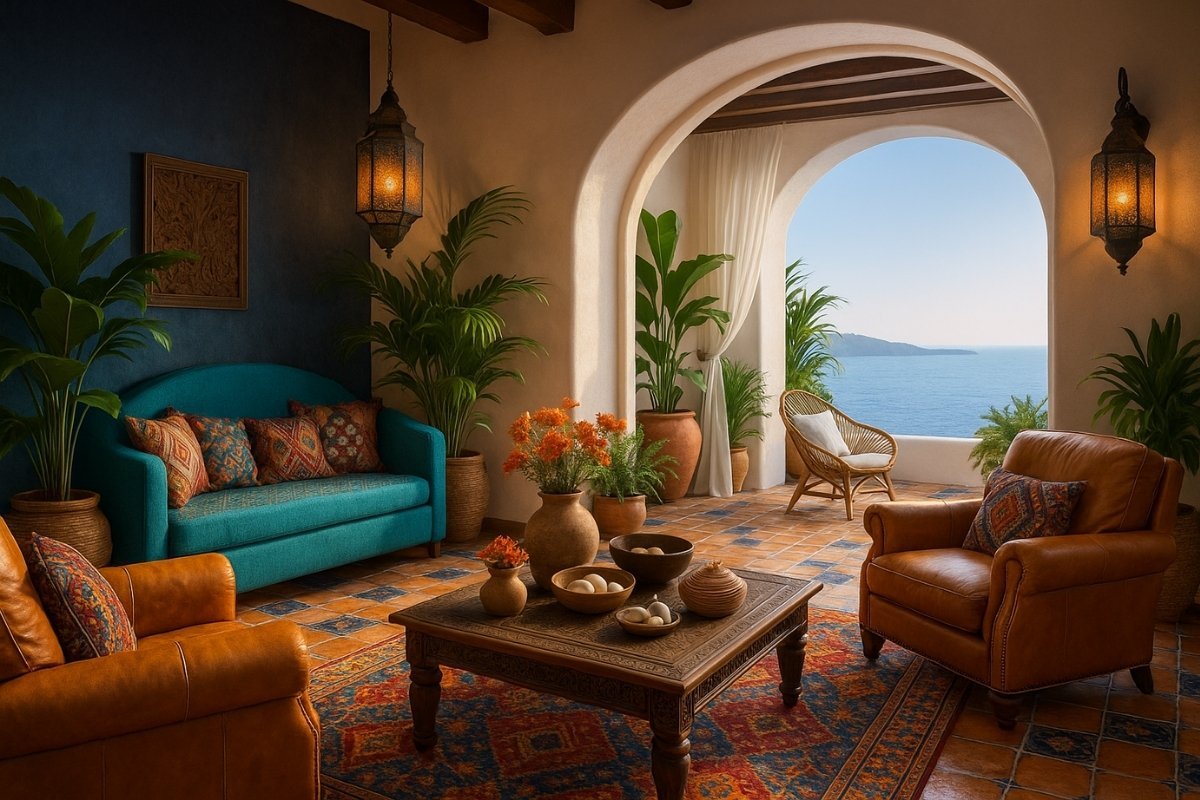
Now compare the images that remain and notice what appears repeatedly.
Look beyond style labels and study the actual design details.
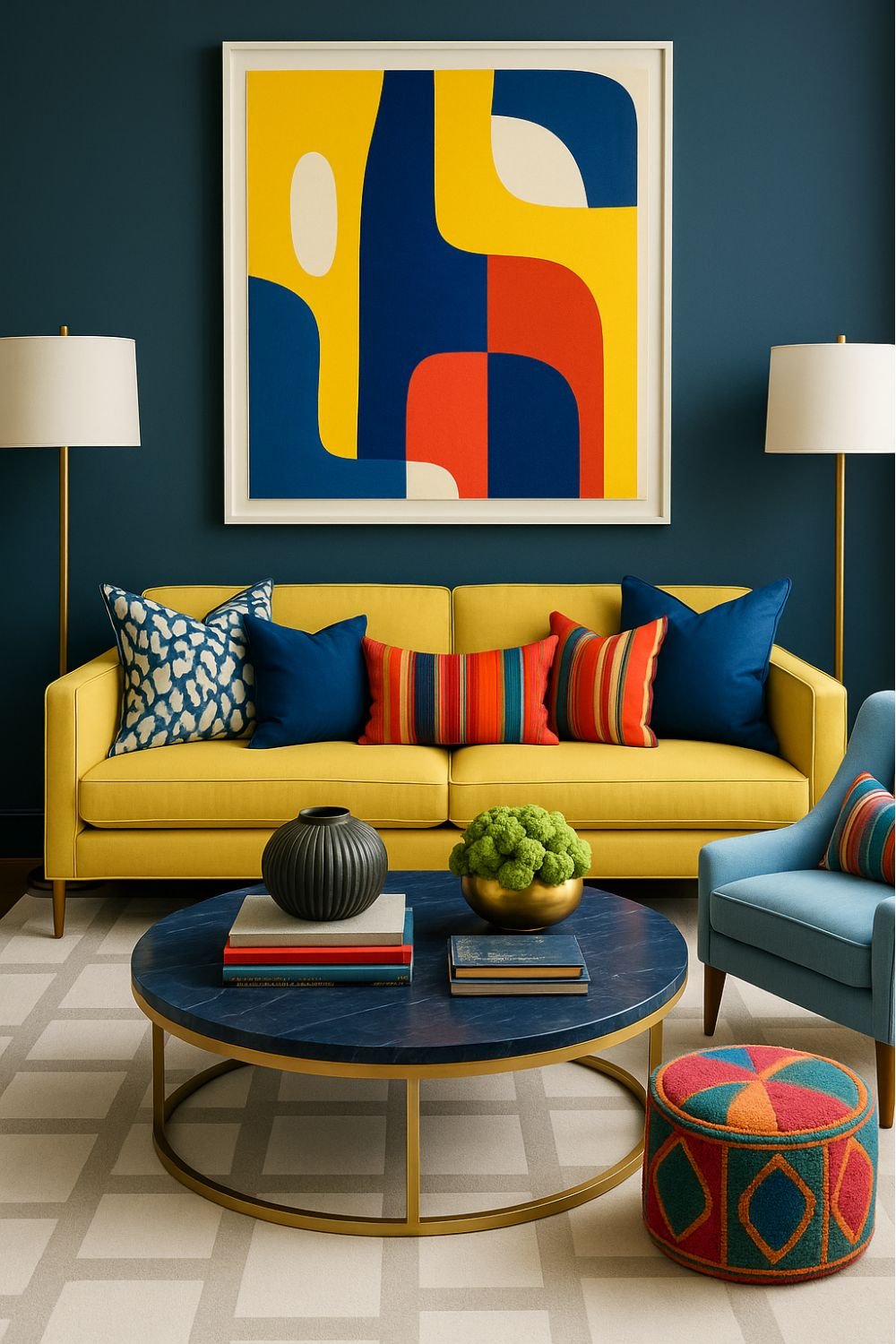
1. Colours :
Do you repeatedly choose warm neutrals, earthy shades, soft pastels, deep jewel tones, or strong black-and-white contrast?
2. Materials
Notice whether you are drawn to light or dark wood, natural stone, cane, linen, velvet, leather, brass, black metal, or handmade finishes.
3. Furniture Shapes
Do you prefer clean straight lines, soft curves, slim furniture, deep comfortable seating, or more detailed traditional pieces?
4. Decorative Style
Look for repeated choices such as large artwork, patterned textiles, plants, vintage furniture, handcrafted objects, books, or minimal accessories.
Write down five or six features that appear most often.
For example:
- Warm off-white walls
- Medium-toned wood
- Soft, curved seating
- Linen and natural fibres
- A few black accents
- Large contemporary artwork
When I help someone identify their style, I look for these repeated choices rather than relying on one striking inspiration image.
Step 6: Separate What You Admire from What Suits You
There is often a difference between a room you enjoy looking at and one that matches your personality and daily life.
You may admire a rustic cottage filled with vintage objects but prefer order, clean surfaces, and tailored furniture in your own home.
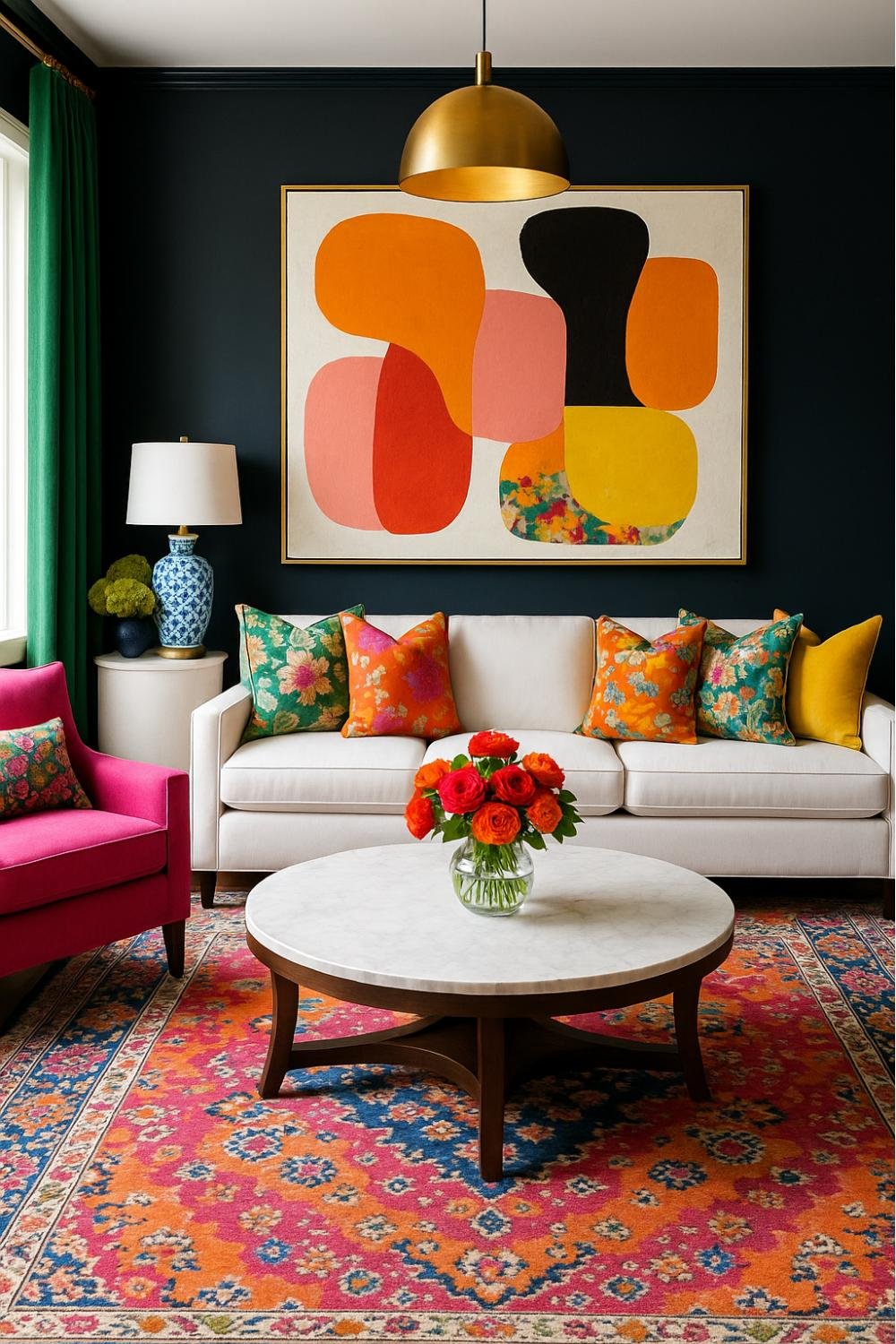
You may save minimalist interiors because they look peaceful, yet feel more comfortable surrounded by books, art, and meaningful objects.
Compare your inspiration board with your real-life preferences:
- What colours do you naturally return to?
- Do you prefer relaxed or structured furniture?
- How much decoration feels comfortable?
- Which materials do you enjoy touching and using?
- Do you prefer a polished room or one that feels collected over time?
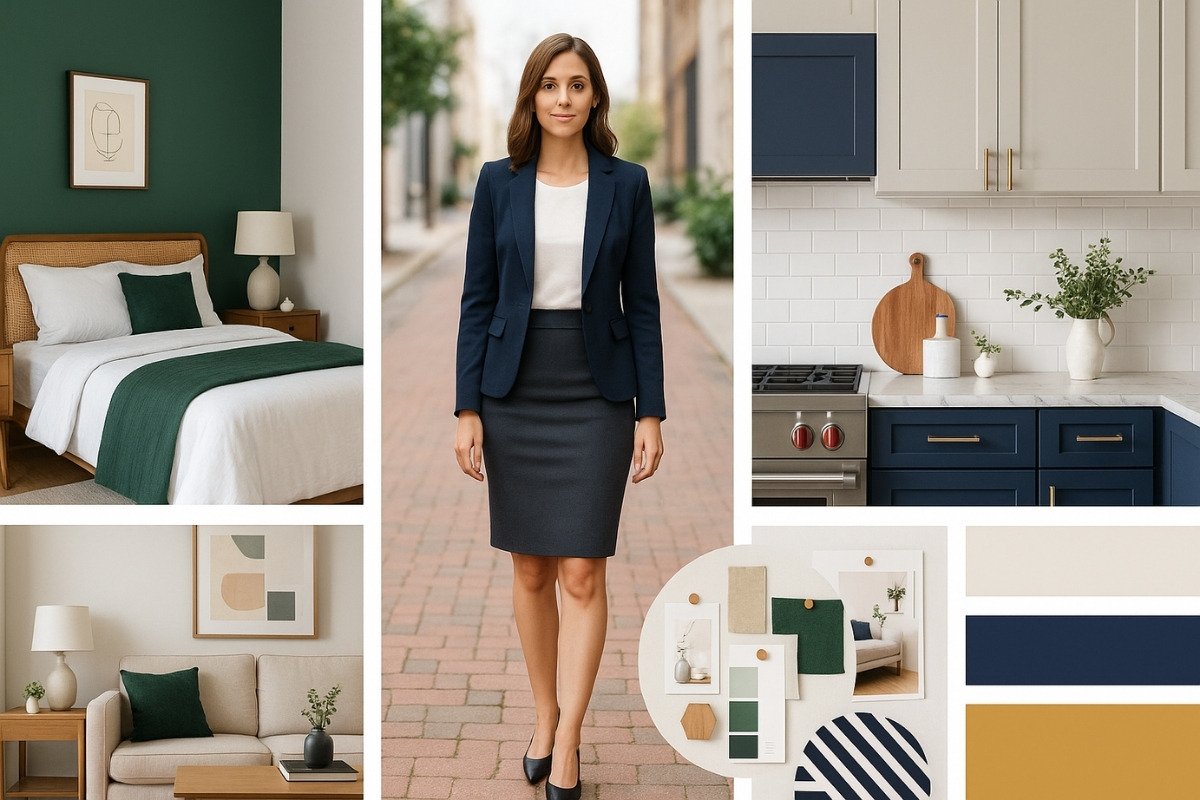
One client repeatedly saved rustic kitchens, vintage pottery, and cottage-style bedrooms. But her everyday choices told a different story: tailored clothes, clean lines, navy and green, and very little visual clutter. What she admired online represented comfort and escape, while the home she felt most at ease in was polished and contemporary.
I often notice this difference between an aspirational image and a genuinely compatible interior. Neither preference is wrong—the important part is understanding what you want to borrow from the image.
Yes your wardrobe can also offer clues, but do not translate it too literally. Wearing mostly neutral clothes does not mean your home must be beige. It may simply show that you appreciate simplicity, structure, or understated elegance.
One thing I often notice is that people save rooms that represent a fantasy version of life rather than the way they genuinely want to live.
The aim is not to reject those images. It is to understand exactly what attracted you to them—perhaps the warmth, colour, natural light, or sense of calm—and use that quality in a way that suits your own home.
Step 7: Choose a Core Style and a Supporting Influence
By now, you should be able to see a few clear patterns in your inspiration board.
This is the right time to look at style names.
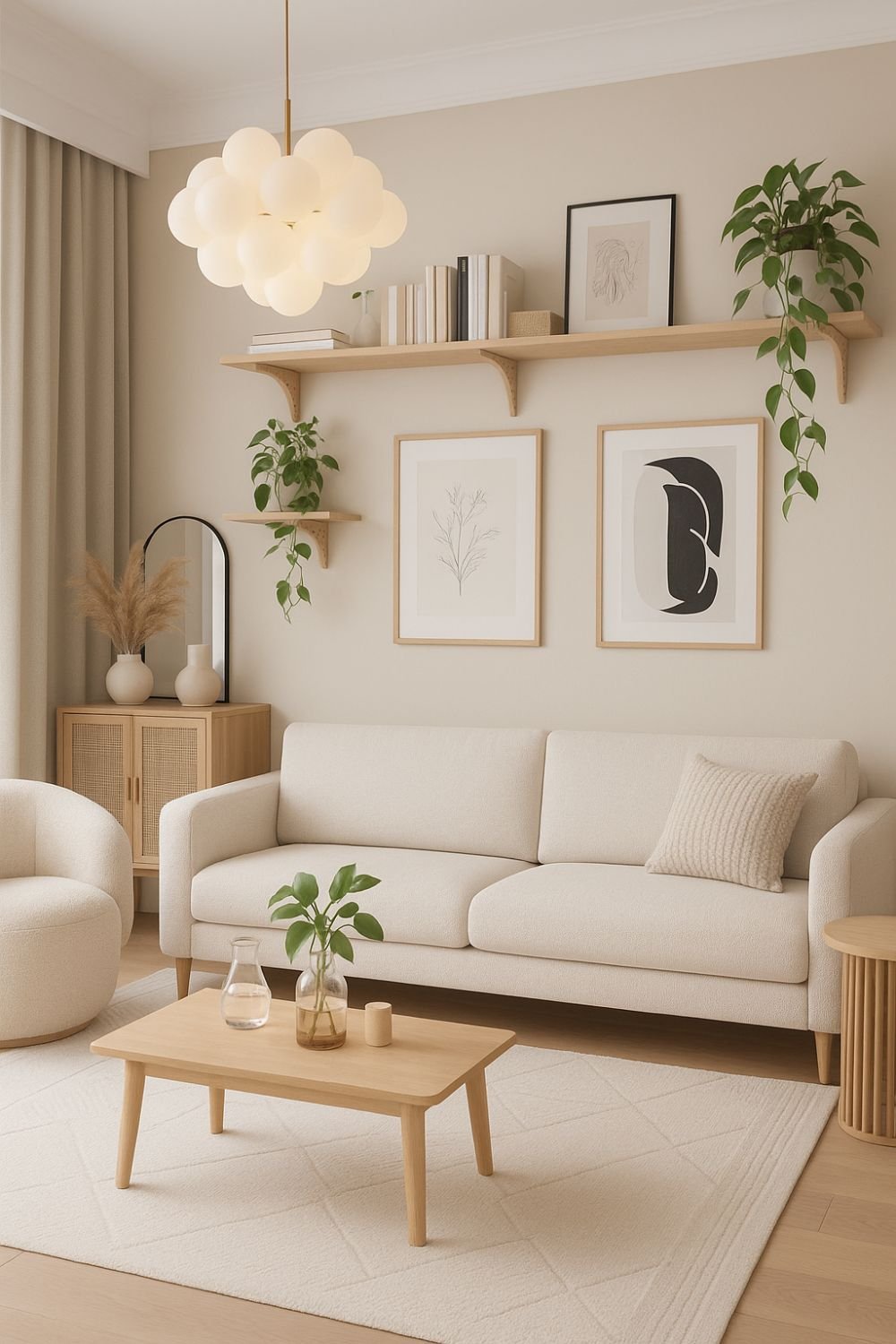
Choose one core style to guide the larger decisions in your home, such as furniture, flooring, and major finishes. Then choose one supporting influence to add warmth or personality through art, lighting, textiles, or smaller pieces.
For example:
- Contemporary with Indian craft
- Japandi with Mediterranean warmth
- Traditional with modern art
- Scandinavian with rustic details
- Mid-Century Modern with an earthy palette
One style should lead, while the other supports it.
Your home does not need to fit neatly into one category. The aim is simply to create enough direction so that your choices feel connected.
Step 8: Test Your Style With Small Changes
Before investing in expensive furniture or finishes, test your preferred style in a small way.
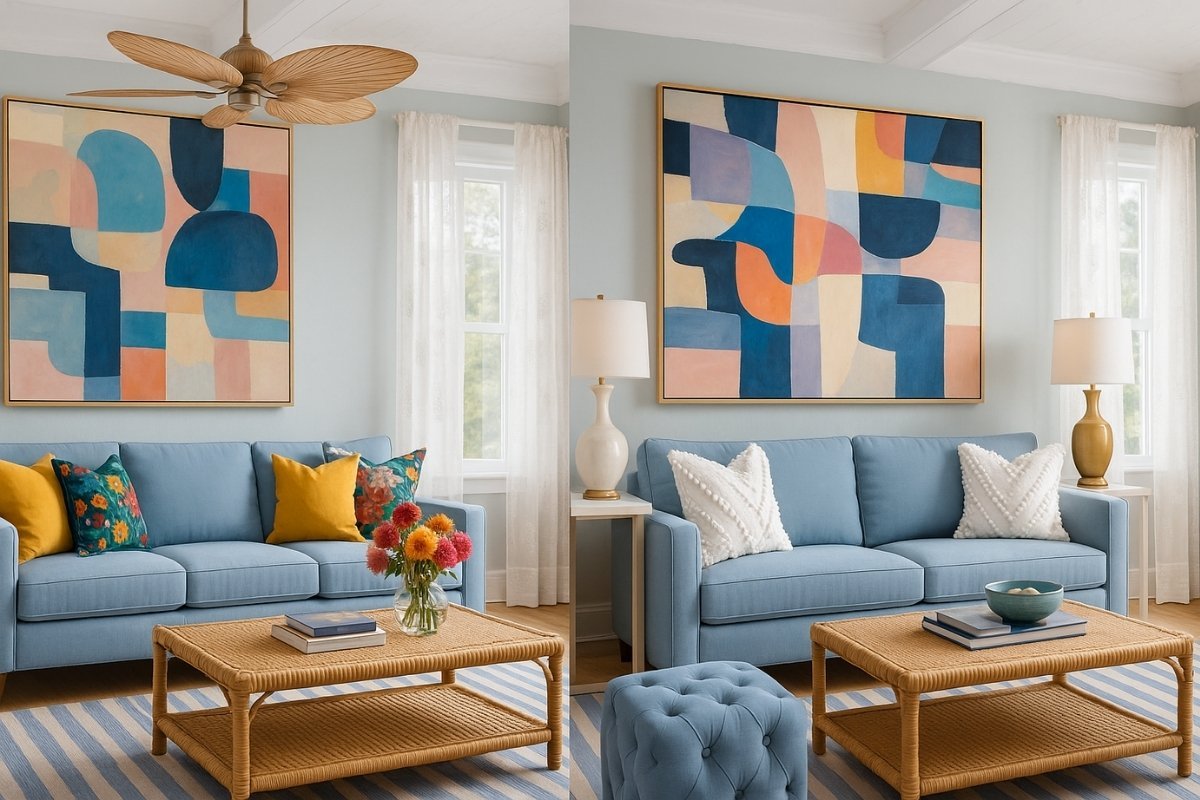
You can begin with:
- Cushion covers
- Artwork
- A table lamp
- A rug
- Curtains
- A throw
- A small side table
- Paint samples
Live with these changes for a little while.
Do they create the feeling you identified in Step 1? Do they work with your existing furniture? Do you still enjoy them after the initial excitement has passed?
I often suggest testing colours and materials together rather than choosing them separately. A paint colour, wood finish, fabric, and metal may each look beautiful on their own but feel disconnected when placed side by side.
Small experiments can prevent expensive mistakes later.
Step 9: Create a Simple Personal Style Guide
Once your direction feels clear, create a one-page style guide for your home.
Include:
- Three words describing the mood
- Your main colour palette
- Preferred materials
- Furniture shapes you like
- Decorative elements you enjoy
- Things you definitely want to avoid
For example:
Mood: Warm, relaxed, and refined
Colours: Soft white, muted green, warm brown, and black accents
Materials: Natural wood, linen, stone, and aged brass
Furniture: Clean lines with a few soft curves
Avoid: Glossy finishes, harsh white lighting, busy prints, and overly ornate furniture
Then write one sentence that summarises your style:
My style is warm contemporary with natural materials, soft curves, and a few handcrafted Indian details.
Use this guide whenever you shop or make a design decision.
It will help you recognise what belongs in your home—and what may be beautiful, but belongs somewhere else.
Common Mistakes When Finding Your Interior Design Style
1. Choosing a Style Label Too Early
It is tempting to decide, “My style is modern” or “I want a farmhouse home” before studying what you actually like. This can make you ignore colours, furniture, or materials that suit you simply because they do not fit the label.
Use style names as a guide, not as a set of rules.
2. Copying One Room Exactly
An inspiration image may have different proportions, natural light, ceiling height, architecture, or climate from your home.
Instead of copying the whole room, identify what attracted you to it. It may be the colour palette, lighting, furniture shapes, or overall mood.
3. Following Trends Without Personalising Them
Repeatedly seeing the same colour, sofa shape, or flooring online can make it feel like the obvious choice.
Before buying, ask whether it suits your lifestyle, existing home, and long-term preferences.
4. Buying Individual Pieces Without a Plan
A beautiful sofa, rug, lamp, and coffee table may not necessarily look beautiful together.
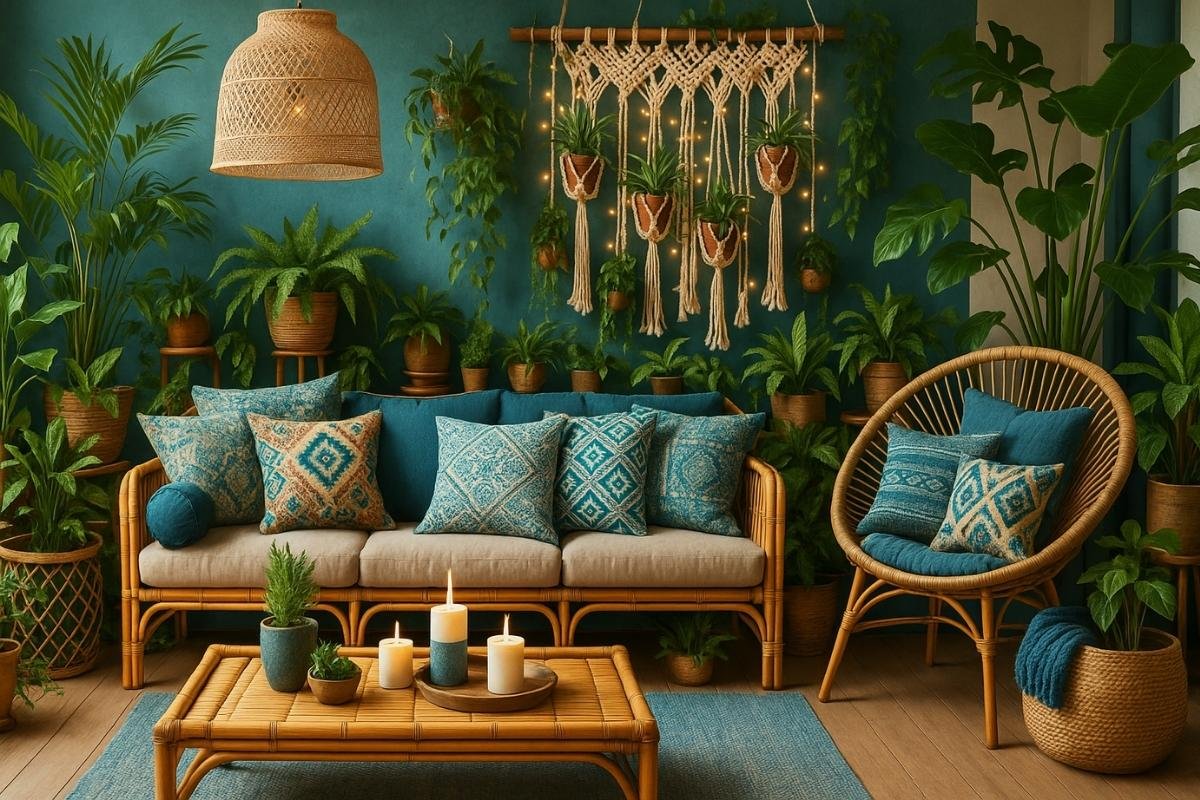
One suggestion I often share is to decide on the overall mood, palette, and major materials before shopping for smaller items.
5. Trying to Include Everything You Love
You do not need to fit every colour, pattern, and style you admire into the same room.
Editing is an important part of design. A few well-connected elements usually create more impact than many unrelated ones.
6. Ignoring What You Dislike
People often focus only on what they love.
However, knowing that you dislike glossy surfaces, heavy curtains, busy prints, cool lighting, or visual clutter can make your decisions much clearer.
FAQs About How to Find Your Interior Design Style
Yes, especially if you want a cohesive and connected look. You don’t need to follow it strictly, but a systematic approach creates visual flow and prevents your space from feeling disjointed.
Look for the features that repeat across them. You may be drawn to the same warm colours, natural materials, curved furniture, or relaxed mood even when the rooms belong to different style categories.
Yes. Most personal homes include more than one influence. Choose one core style for larger furniture and finishes, then introduce the supporting style through art, lighting, textiles, or smaller pieces.
You may not need to replace it. Try reupholstering, refinishing, changing hardware, moving it to another room, or connecting it to the new scheme through colour, artwork, or accessories.
No. Different rooms can have slightly different moods, but they should share a few connecting elements such as colour, wood tone, metal finish, flooring, or decorative style.
They can help you learn style names and notice broad preferences, but the result should not define your entire home. Use quizzes as a starting point and compare them with your own inspiration board.
It can offer useful clues about whether you prefer simplicity, colour, structure, softness, or handcrafted details. However, your home does not need to copy your wardrobe colours literally.
Begin with what you both want the home to feel like and how it needs to function. Find common ground in colours, comfort, materials, or furniture shapes, then allow individual preferences through smaller details.
Yes. Your taste naturally evolves with your lifestyle, experiences, and priorities. Choose flexible foundational pieces and allow colours, art, and accessories to change more easily.
Not necessarily. You can identify your direction by studying your lifestyle, collecting and editing images, and noticing repeated choices. A designer can then help translate those preferences into layout, scale, lighting, materials, and budget.
Still Wondering How to Find Your Interior Design Style? Start Here.
You don’t need to figure it all out in one day. Your style will evolve with you—and that’s a good thing. The most important part is that your home feels like a true extension of who you are. Let your space reflect your personality, not just the latest trends. Trust your instincts, embrace the process, and make choices that genuinely feel right to you.If you’re ready to begin, open your Pinterest or a fresh folder on your phone. Save just one image that feels like home. That small step can lead to a beautifully personal space.
Want a little support? I’d be happy to send you a printable checklist or a mini workbook to help you explore your style at your own pace. Just drop me a message—I’ve got you!
More Helpful Reads from the Web
- Designer Society of America– Interior design style quiz – A visual quiz to help readers get a quick sense of their style.
- Apartment Therapy – How to Decorate Based on Personality Type – A fun blend of design and self-awareness.
One Comment