A small bedroom can feel crowded even when it contains only the essentials. Too many visible objects, bulky furniture and busy surfaces can make the room look smaller than it really is.
The solution is not to remove everything. It is to make better use of the space, reduce visual noise and give each item a proper place. These seven ideas will help make a small bedroom look less cluttered while keeping it comfortable and personal.
Readers also loved: Don’t Miss Out: 100+ Bedroom Decluttering Checklist You Need Today!
1. Use the Height of the Room
In a small bedroom, floor space is limited. The walls can provide useful storage without taking up additional walking space.
Look upward and use vertical space thoughtfully.
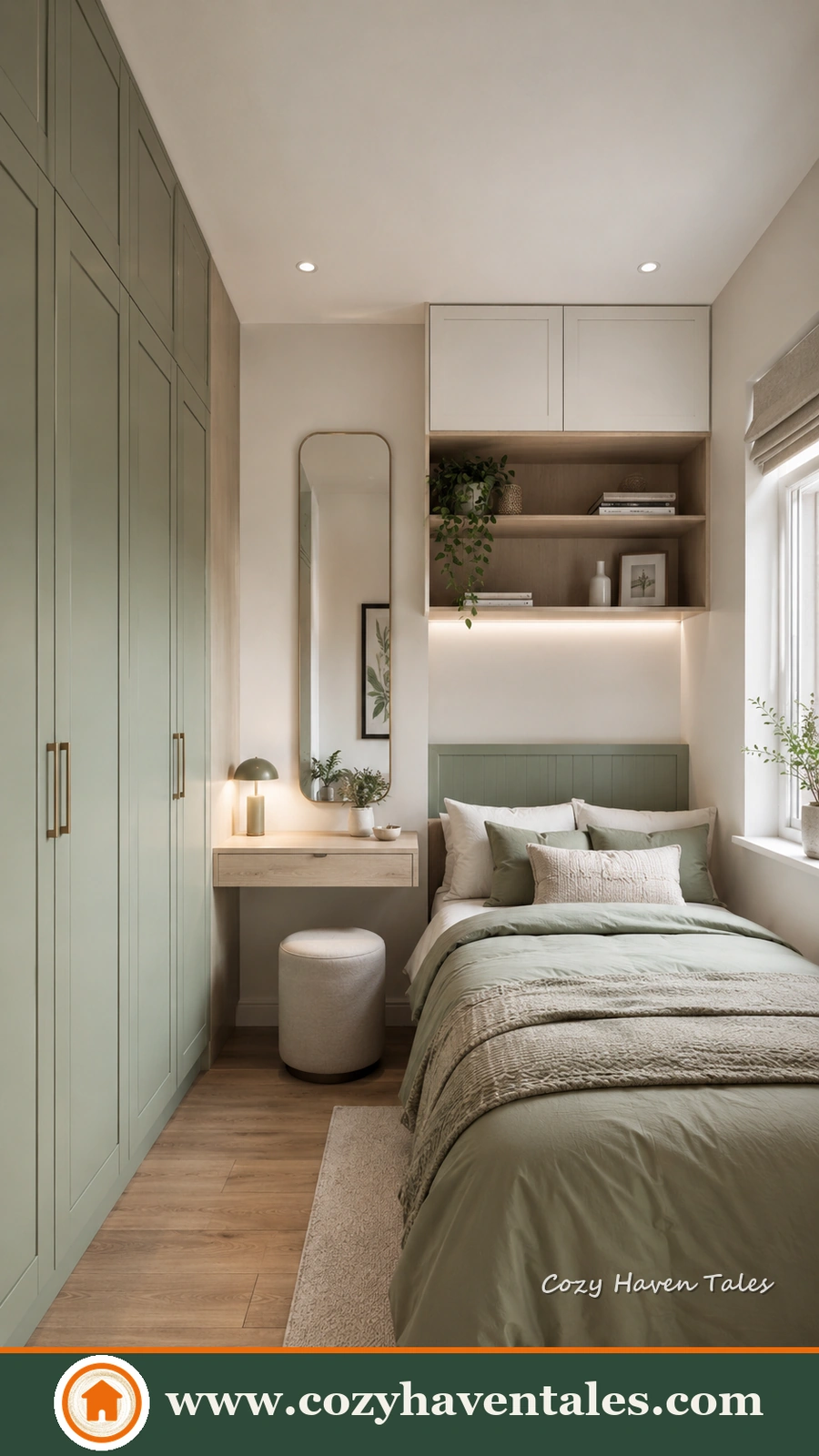
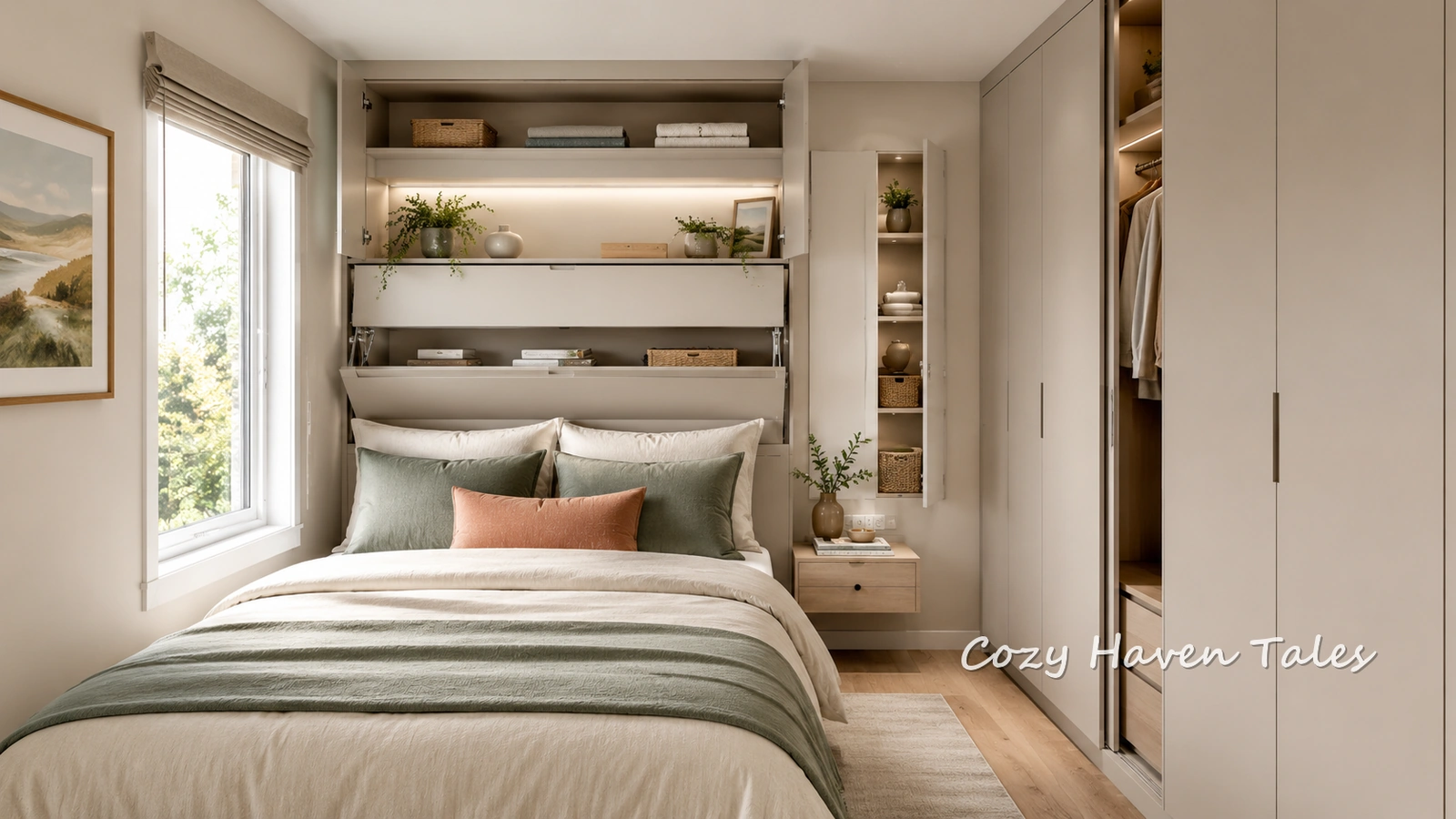
Full-height wardrobes make better use of the room than low cabinets with unused space above them. The upper sections can store luggage, blankets and seasonal items.
You could also add:
- A tall, narrow bookshelf
- Storage above bed
- A few shelves above a study desk
- Hooks behind the bedroom door
- A wall-mounted organiser
- A slim ladder rack for scarves or clothes
Avoid covering every wall with shelves. Too many open shelves may create more visual clutter instead of solving it.
Use vertical storage mainly for practical purposes, and keep the displayed items limited. A few books, a small plant and one meaningful object are usually enough for an open shelf.
The more floor area you can see, the more spacious the bedroom will appear.
2. Choose Furniture with Hidden Storage
Visible storage can make a small bedroom feel busy, especially when open shelves are filled with clothes, bags, books and daily essentials.
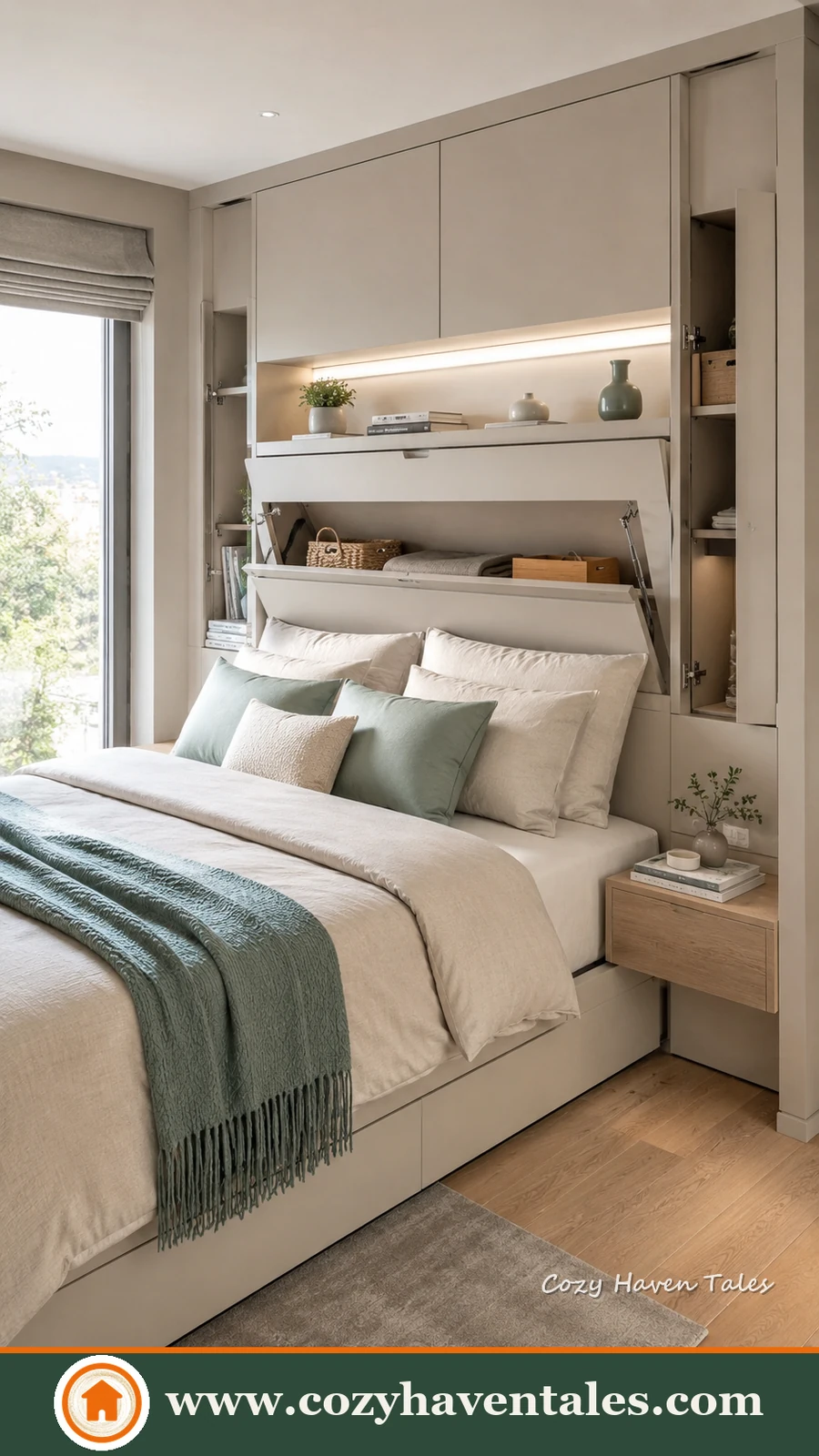
Furniture with concealed storage helps keep these items nearby without leaving them on display.
Consider using:
- A bed with built-in drawers
- A hydraulic storage bed
- Bedside tables with closed drawers
- An ottoman with internal storage
- A wardrobe with full-height shutters
- A dressing table with concealed compartments
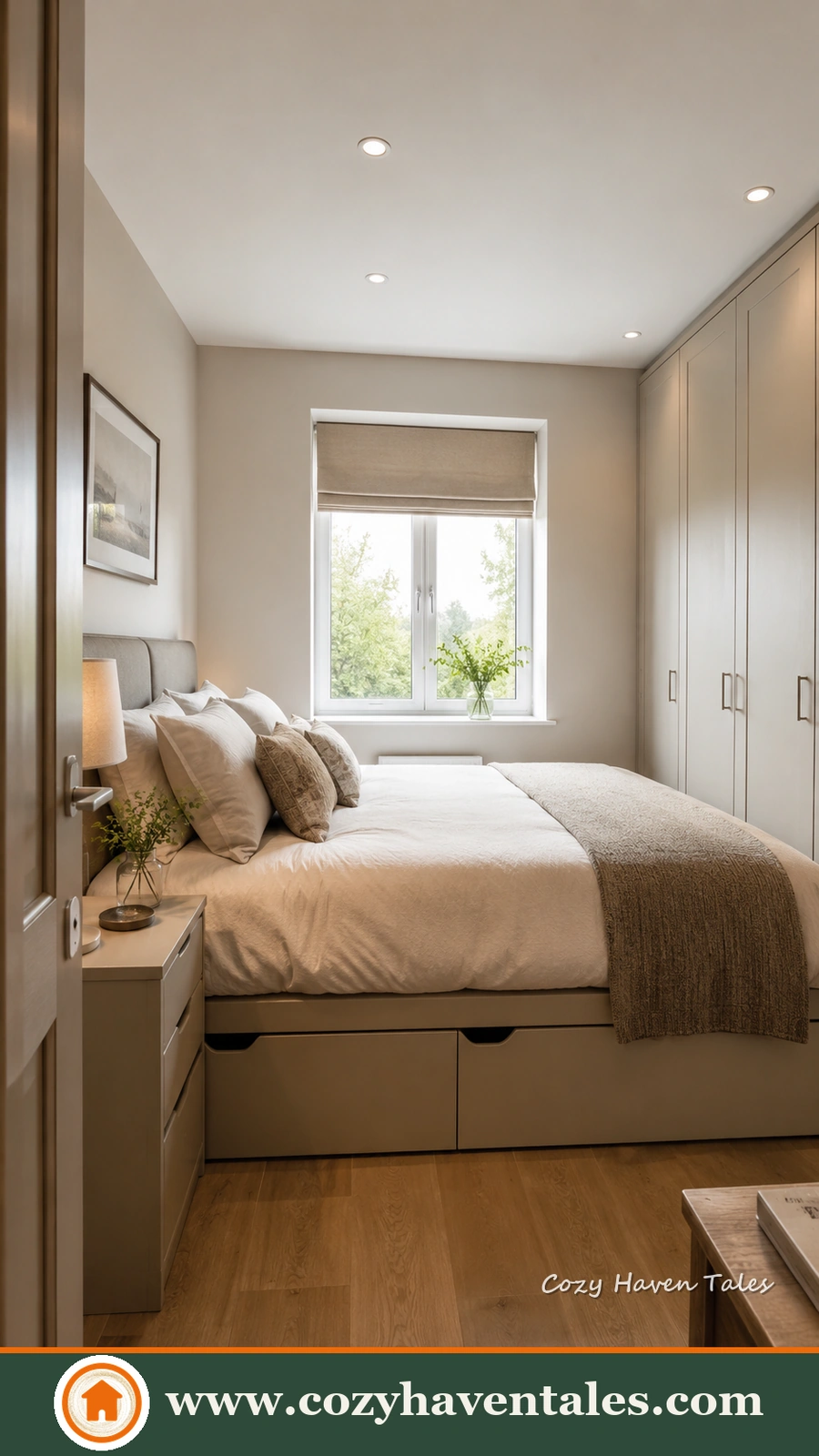
Under-bed storage is particularly useful for extra bedding, seasonal clothes, suitcases and less frequently used items. However, storage furniture should not become a place to keep everything indefinitely. Divide the storage into simple categories so that items remain easy to find.
Closed storage makes the bedroom look organised, but organised storage also makes the room easier to use.
3. Keep the Colours Calm and Connected
Too many contrasting colours can divide a small bedroom into several visual sections. This can make the room feel busier and smaller.
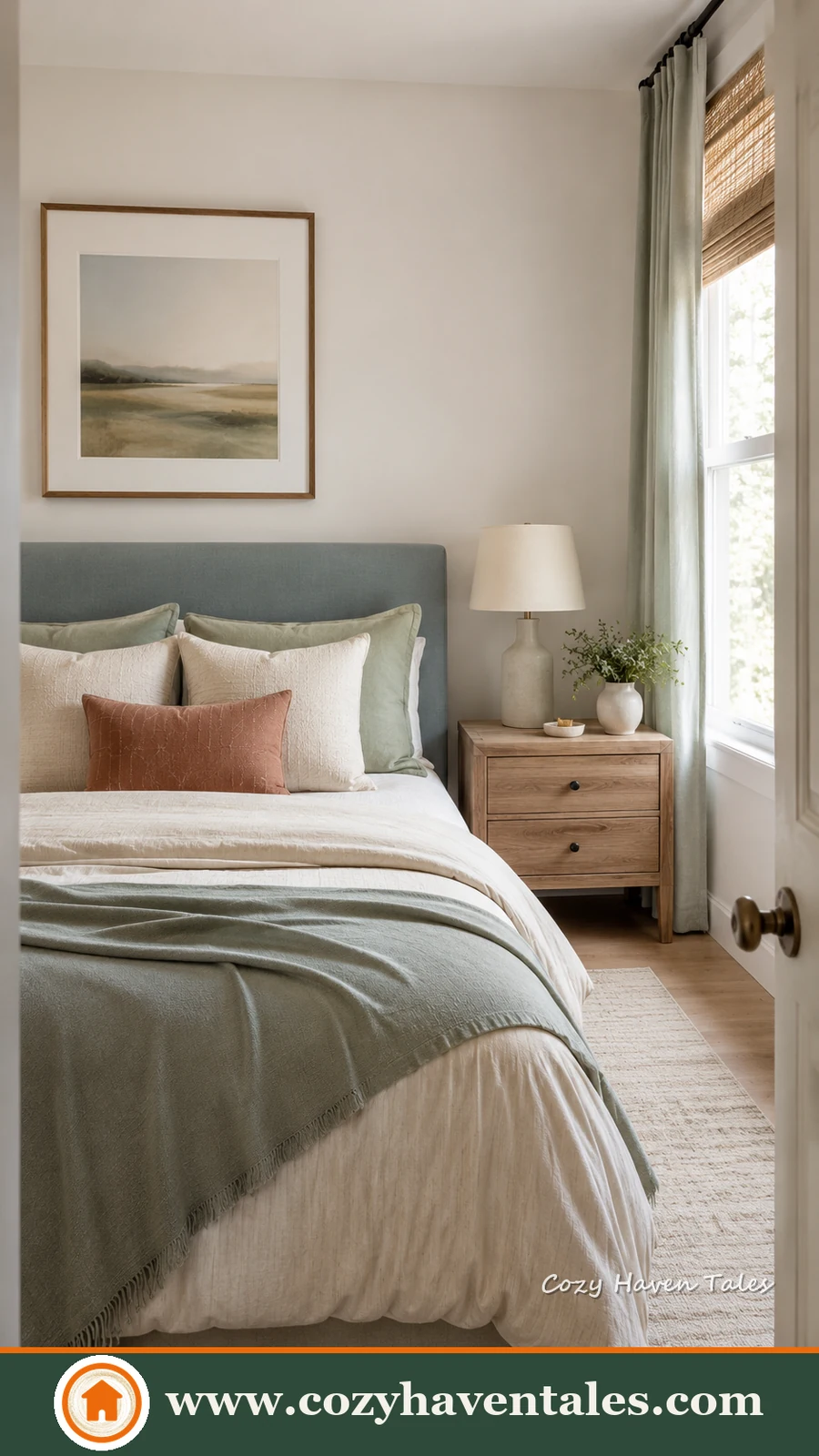
Choose a simple colour palette with two or three closely connected shades.
For example:
- Warm white, beige and light wood
- Soft grey, white and muted blue
- Cream, sage green and natural brown
- Pale peach, warm white and tan
- Light greige, ivory and charcoal accents
The walls, curtains, bedsheets and larger furniture do not need to match exactly. They should simply feel connected.
Use stronger colours in smaller amounts through cushions, artwork or one throw. This gives the room personality without creating too much visual activity.
Large patterns can work in a small bedroom, but avoid using several different patterns together. If the bedsheet has a bold print, keep the curtains and cushions simple.
A calm colour palette allows the bedroom to feel restful even when the space is limited
4. Keep One Clear Focal Point
When every wall and surface demands attention, a small bedroom can quickly feel overwhelming.
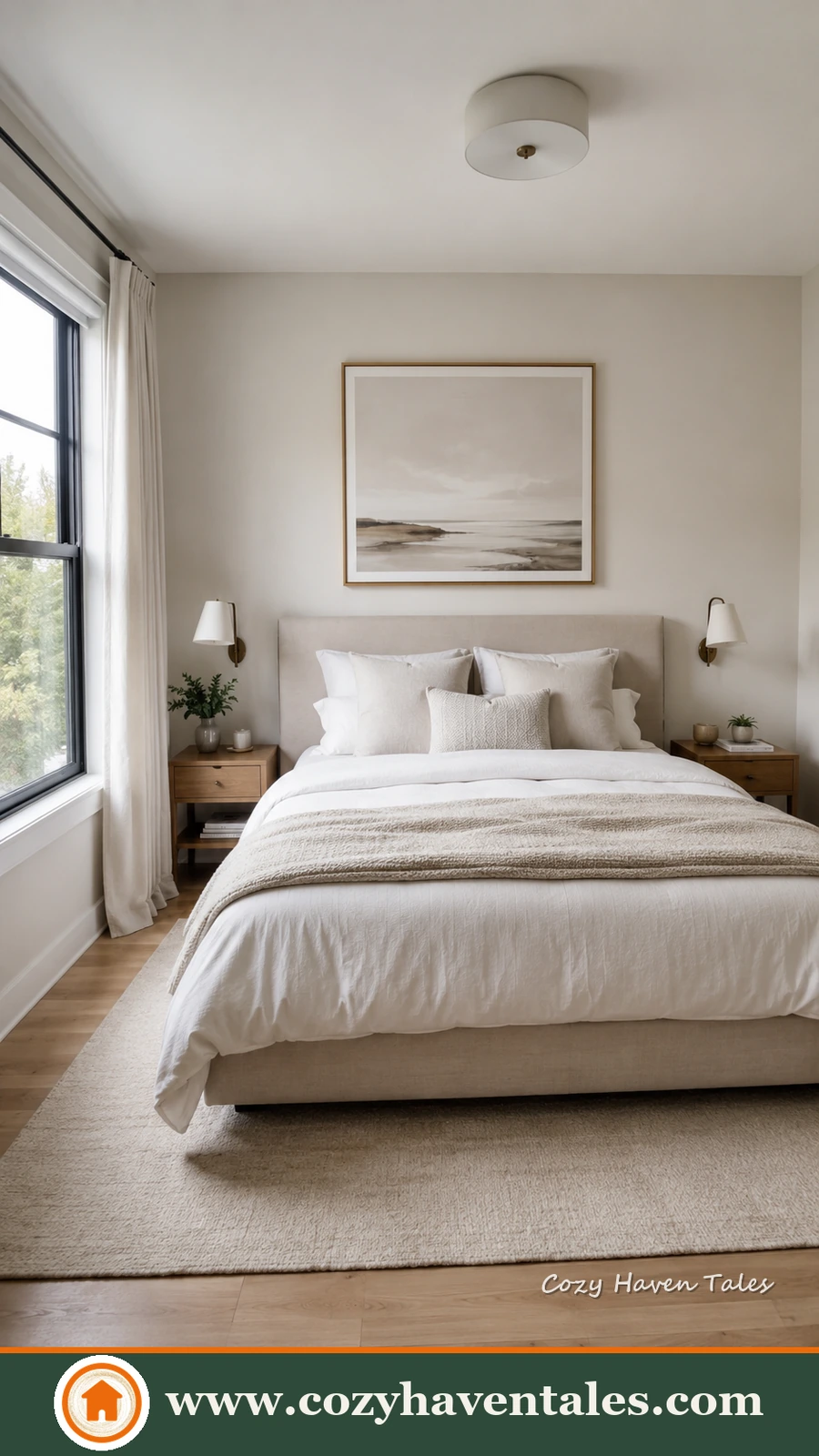
Choose one main focal point, usually the bed, and allow the rest of the room to remain quieter. You could highlight the bed with:
- A simple upholstered headboard
- One piece of artwork above the bed
- A soft accent wall
- A neatly arranged set of cushions
- Matching bedside lights
Avoid decorating the headboard wall, the opposite wall, the bedside tables and every empty corner at the same time.
A room looks calmer when the eye knows where to rest.
Keep the focal point simple rather than filling the wall with several small frames, shelves and decorative objects. One larger artwork often looks cleaner than a collection of many unrelated pieces.
Suggested Read: How to Create a Stunning Focal Point in Your Interior Design
5. Clear the Bedside Tables
Bedside tables often collect more items than they need to hold. Chargers, books, medicines, water bottles, glasses, skincare products and small decorative pieces can quickly cover the entire surface.
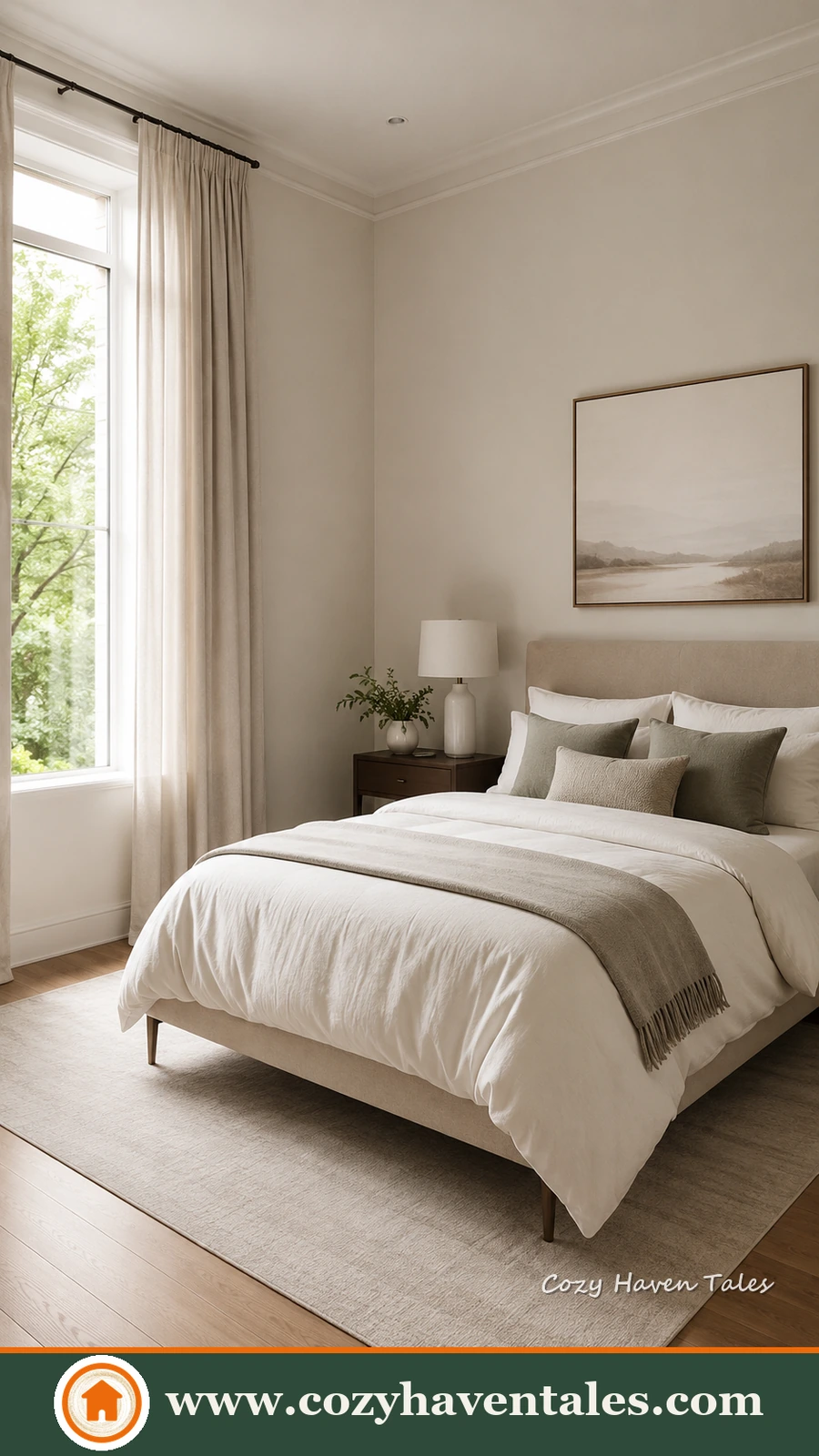
Start by keeping only the things you use every night.
A simple bedside table may need only:
- A reading light
- A glass or bottle of water
- One book
- A small tray for glasses or jewellery
Move occasional items into a drawer or a small bedside basket.
Suggested read: 18 Bedside Table Design Ideas for Creating a Unique Bedroom
Wall-mounted lights can also free up valuable space on the table. Instead of a large table lamp, use a wall sconce or hanging pendant beside the bed.
You can also replace a bulky bedside table with a narrow floating shelf. This keeps the floor visible and makes the room feel lighter.
The goal is not to create a completely empty surface. It is to leave enough open space so that the bedside area looks intentional rather than crowded.
You might also like:
6. Create More Visible Floor Space
A small bedroom looks less cluttered when you can clearly see sections of the floor.
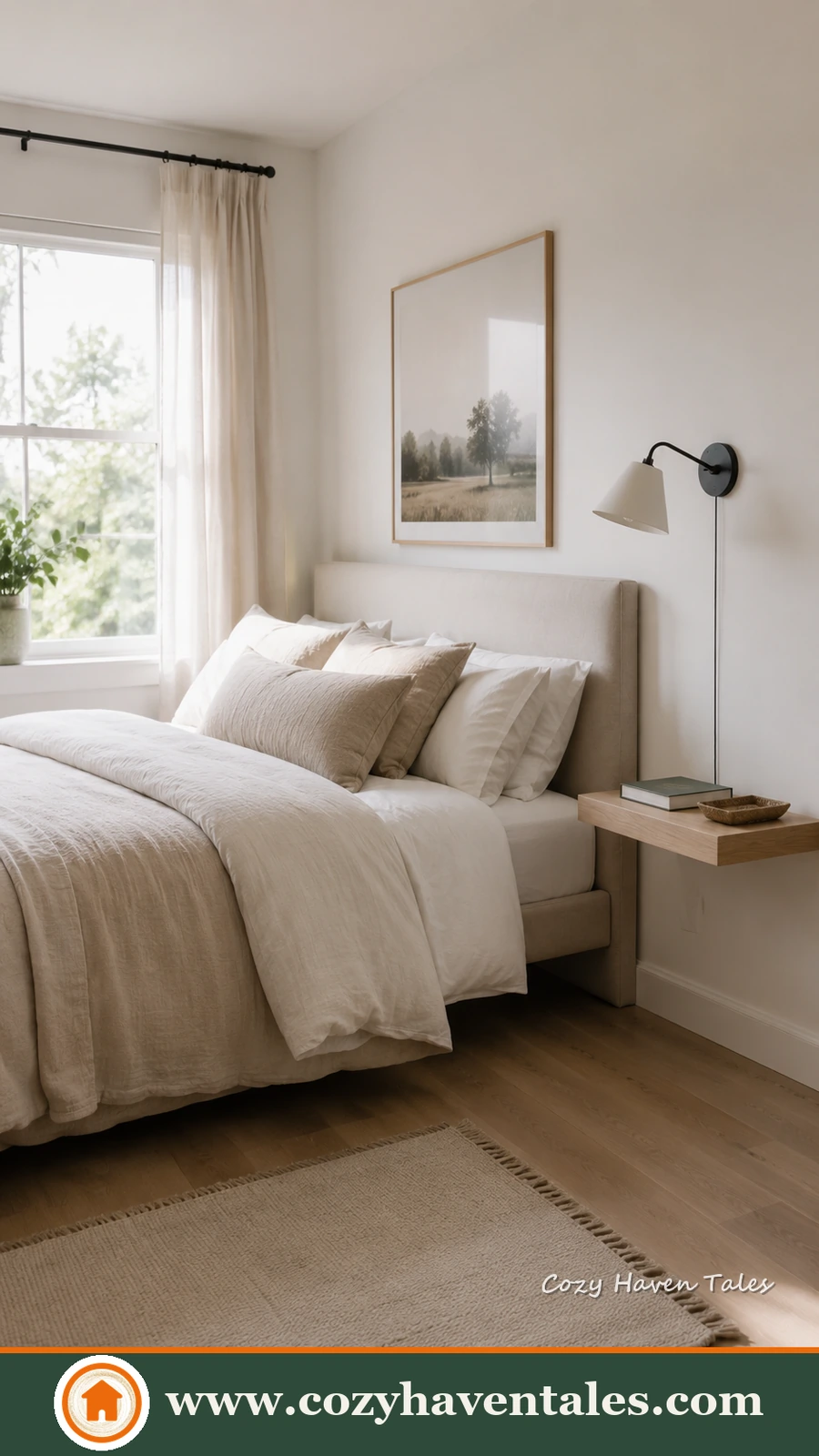
Bulky furniture, scattered baskets and objects pushed into every corner interrupt the floor area and make the room feel tightly packed.
Choose furniture with slim legs or wall-mounted designs where possible. A floating bedside shelf, raised bed frame or wall-mounted dressing unit makes more of the floor visible.
Also check whether the room contains furniture that is rarely used.
Do you need two bedside tables in a very narrow bedroom? Could one table be replaced with a floating shelf? Is a large dressing unit necessary, or could a mirror and a small drawer serve the same purpose?
Leave at least one corner or wall section relatively open. Empty space is not wasted space. It gives the room breathing room and prevents it from feeling overfilled.
Even a small clear pathway from the door to the bed can make the bedroom feel more organised.
7. Reduce Extra Textiles and Decorative Layers
Soft furnishings make a bedroom comfortable, but too many layers can make a small bed and room look crowded.
You may not need six decorative cushions, several throws and multiple rugs. Keep enough textiles to make the room feel cosy without covering every surface.
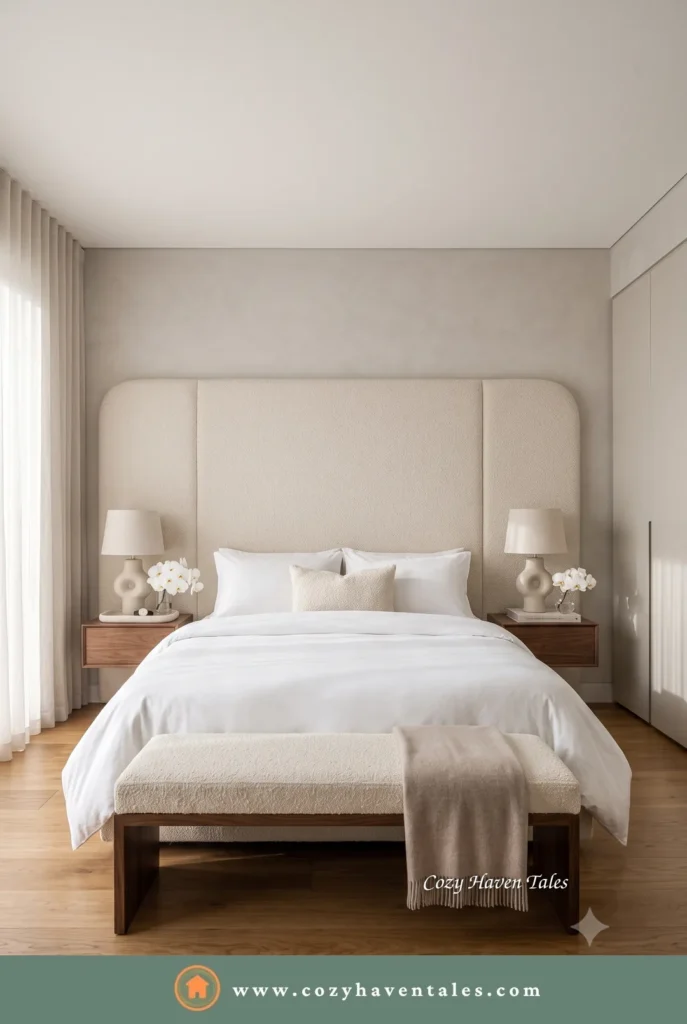
Try using:
- Two sleeping pillows
- Two decorative cushions
- One folded throw
- One appropriately sized rug
- Simple curtains without excessive layers
The bed occupies a large part of a small bedroom, so an overdecorated bed can dominate the entire room.
Choose bedding that is easy to arrange every morning. A plain or lightly patterned bedcover often looks calmer than several competing prints.
Curtains should also feel light and neat. Hang them closer to the ceiling and allow them to fall straight to the floor. This draws the eye upward and makes the room appear taller.
Avoid leaving clothes on chairs, benches or the corner of the bed. A bedroom chair can easily turn into an open wardrobe. Add a hook behind the door or keep a designated basket for clothes that can be worn again.
Small Changes That Make a Big Difference
Sometimes the room does not need new furniture. It simply needs a quick visual reset.
Start with these small changes:
- Make the bed every morning.
- Remove unused items from the bedside tables.
- Keep charging cables together.
- Place laundry inside a closed basket.
- Return clothes to the wardrobe.
- Limit décor to a few meaningful objects.
- Keep one surface almost empty.
You can also use matching boxes, baskets or organisers inside wardrobes and drawers. When storage accessories look similar, the room feels more orderly.
Before buying another organiser, check whether you can remove something first. Decluttering is often more effective than adding additional storage.
Final Thoughts
To make a small bedroom look less cluttered, focus on what remains visible.
Clear surfaces, concealed storage, a calm colour palette and more visible floor space can completely change how the room feels. You do not have to remove every personal item or create a bedroom that looks like a hotel.
Keep the things that make the room comfortable, but give them a clear place.
A small bedroom feels more spacious when every piece of furniture has a purpose, every surface has room to breathe and the overall design feels connected.