Many homeowners use the terms interior design and interior decoration interchangeably, but they are not the same. While both play an important role in creating beautiful homes, they differ in purpose, process, and scope. Understanding the difference between interior design and interior decoration helps you make better decisions when building, renovating, or styling your home. In this article, we explain how interior design focuses on space planning, functionality, and structure, while interior decoration enhances the look and feel of a finished space through colors, furniture, and decorative elements.
Let’s break it down in simple terms.
Related Articles:
- Principles of Interior Design to Make a Room Feel Just Right
- How to Find Your Personal Design Style—and Finally Love Your Home
- Essential Technical Skills Every Interior Designer Needs to Succeed
What Is Home Interior Design?
Home interior design is the core planning of a home’s inside space. It’s not just about making a home look nice—it’s about making sure it works well for daily life. Interior design focuses on how people move, live, relax, cook, sleep, and interact within a space.
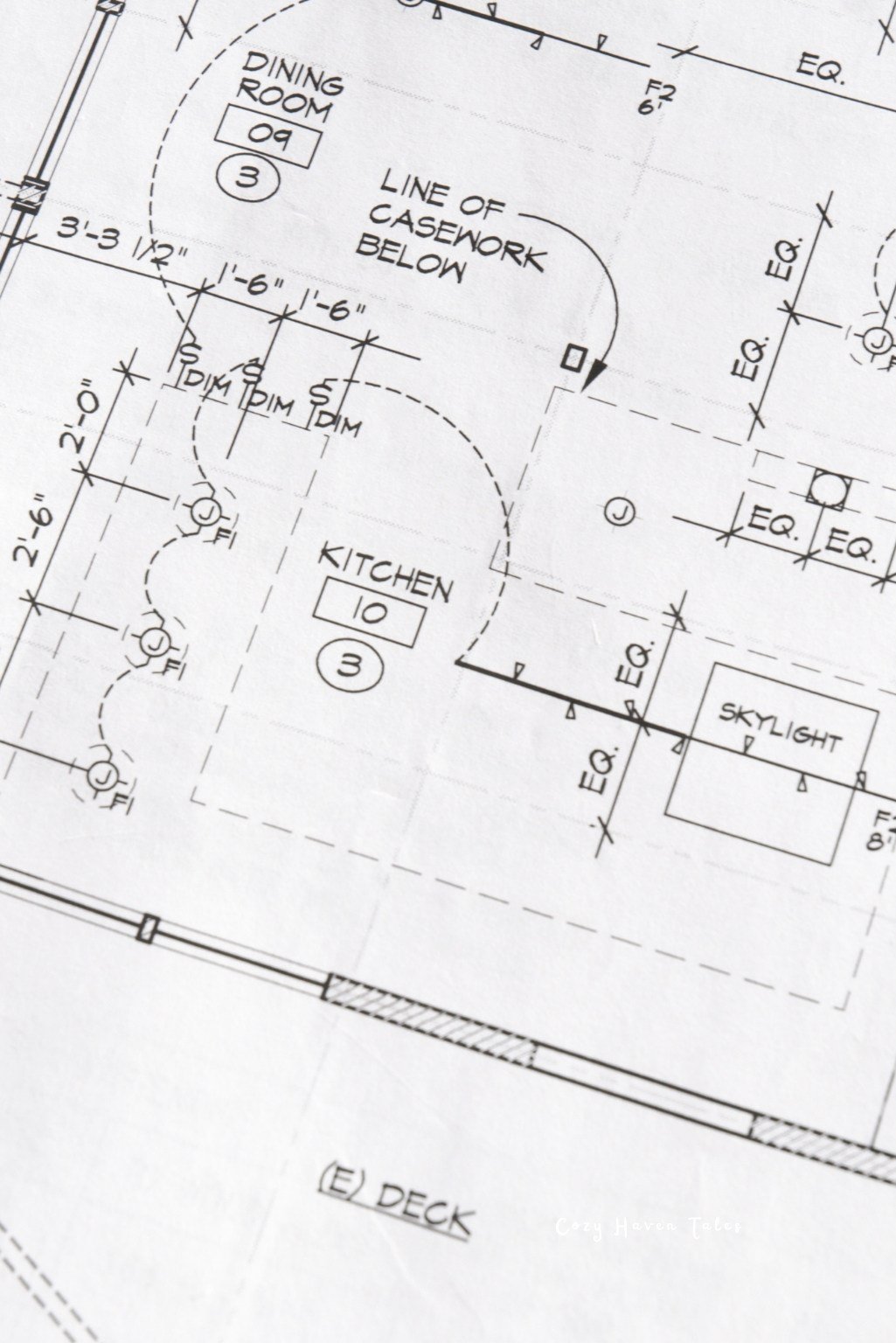
Interior design starts by asking questions like:
- How will this space be used?
- How many people live here?
- How can we make the space comfortable, safe, and functional?
- How can we use light, color, and materials to improve the mood?
What Interior Design Involves (Explained Simply)
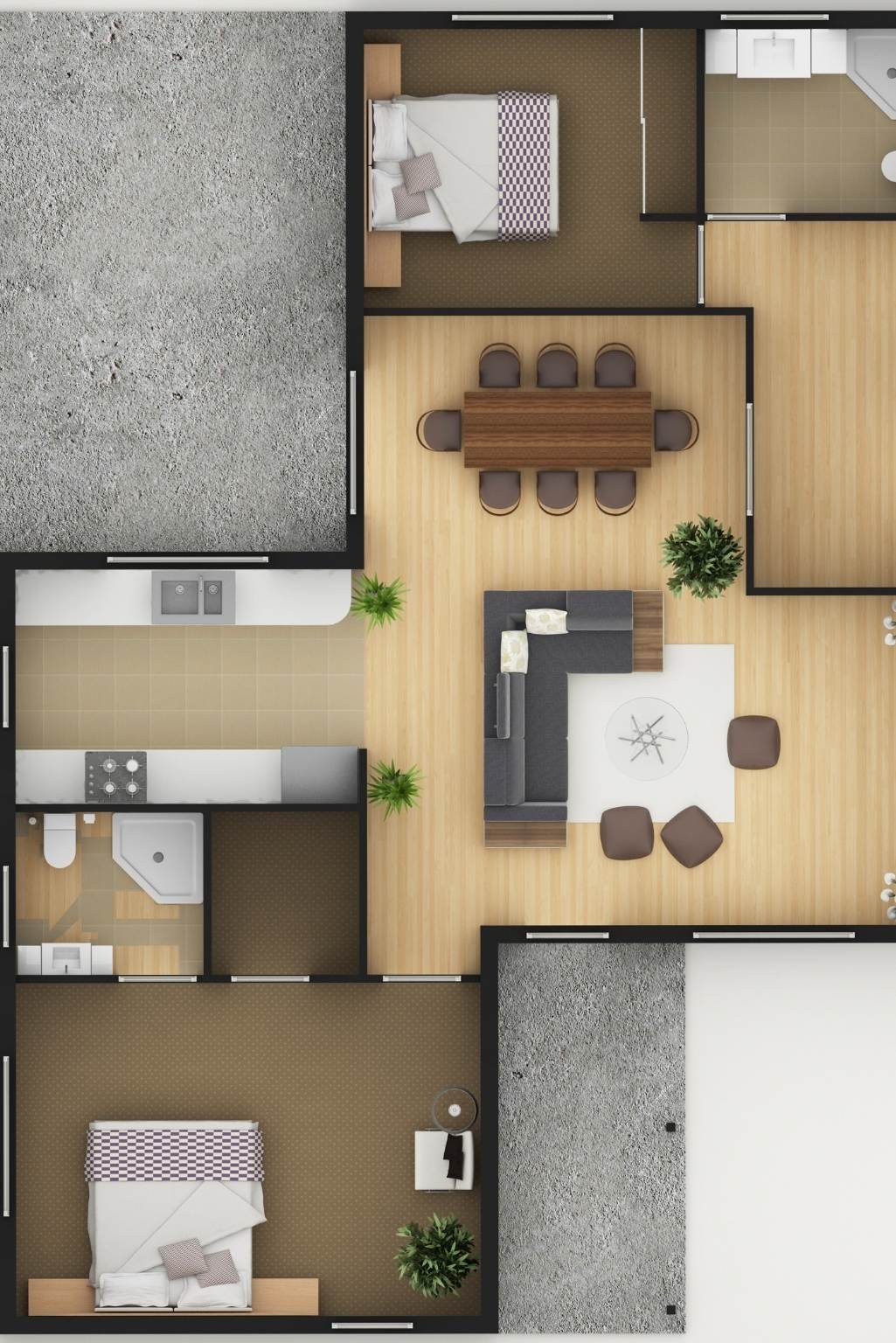
- Space planning and layout
This is about deciding what goes where. For example, where the sofa should be placed so people can move easily, or how much space is needed between the bed and wardrobe. - Walls, floors, and ceilings
Choosing paint colors, wallpapers, tiles, wooden floors, false ceilings, or ceiling designs that suit the space and its purpose. - Furniture placement
Interior design decides the position and size of furniture, not just the style. A large sofa in a small room can make it feel cramped, even if it looks beautiful. - Lighting design
This includes natural light (windows, skylights) and artificial light (ceiling lights, spotlights, task lighting). Good lighting makes a home feel open, warm, and comfortable. - Materials, textures, and finishes
Designers select materials like wood, marble, fabric, glass, or metal and decide how they are combined so the space feels balanced—not too dull and not too busy. - Comfort and balance
Everything is designed to feel right—comfortable seating, correct heights, proper airflow, and a balanced mix of colors and textures.
Interior design usually happens before or during construction or renovation, because it often involves permanent or long-term decisions.
Interior Design Examples
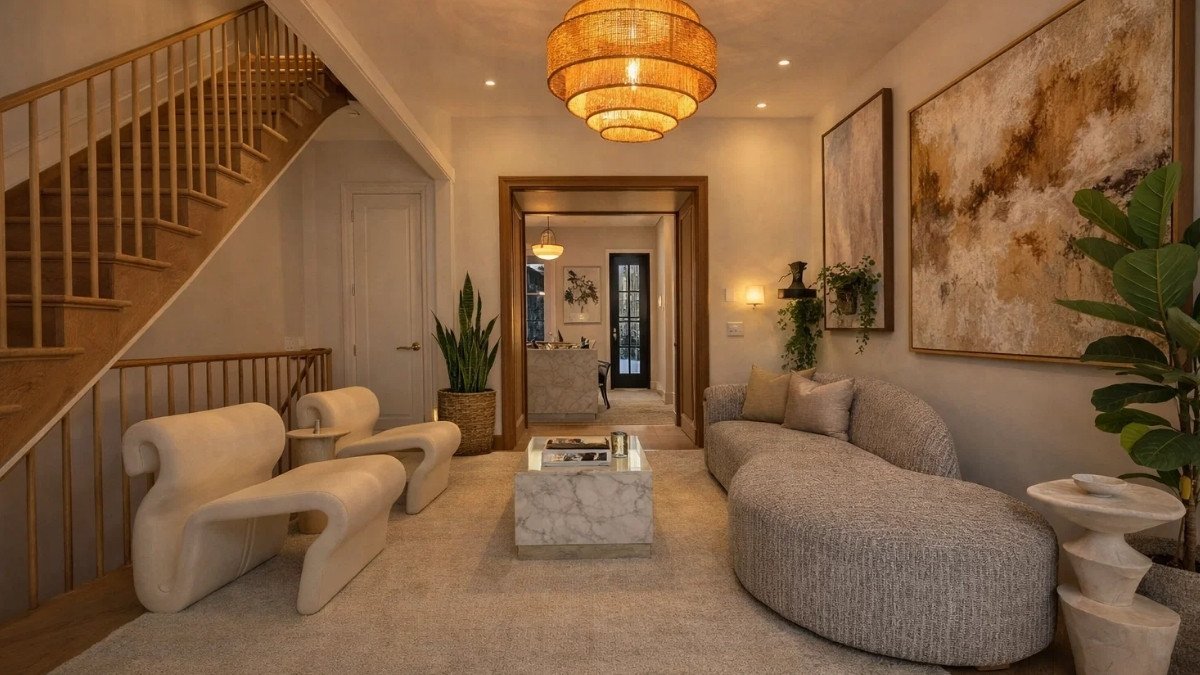
Example 1: Living Room Design
An interior designer plans:
- The size and placement of the sofa
- Where the TV unit should go for comfortable viewing
- The type of flooring that’s easy to clean
- Ceiling lights for brightness and corner lights for warmth
This ensures the living room is practical, comfortable, and inviting.
Example 2: Kitchen Design
Interior design decides:
- Where the sink, stove, and refrigerator go (work triangle)
- Counter height for comfort
- Storage layout for easy access
- Lighting for cooking areas
Even before any decoration, the kitchen already works well.
In short: interior design builds the structure, function, and comfort of your home.
What Is Interior Decoration?
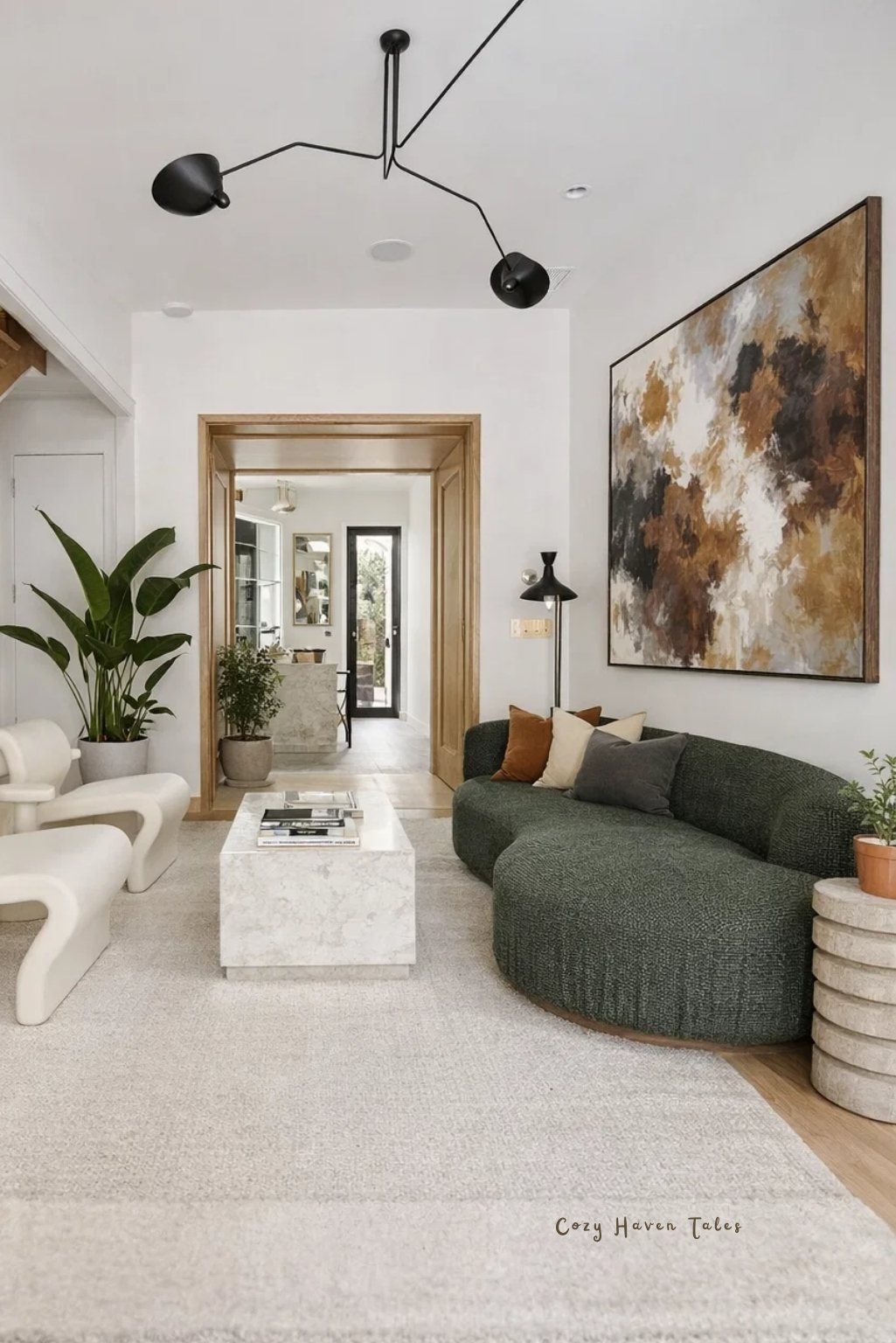
Interior decoration is about styling and beautifying a space that is already designed. It focuses on how a room looks and feels emotionally. Decor brings warmth, personality, and character into a home.
If interior design is the body of a home, interior decoration is its clothing and accessories.
What Interior Decoration Includes (Explained Simply)

- Soft furnishings
Cushions, throws, and rugs that add comfort and color. - Window treatments
Curtains and blinds that control light and also add style. - Wall styling
Paint accents, wall art, mirrors, photo frames, or shelves. - Decorative lighting
Lamps, fairy lights, candles, or pendant lights that create mood. - Accessories and accents
Plants, vases, books, sculptures, trays, and decorative objects. - Color and styling details
Small touches that reflect your personality—bold, calm, modern, or traditional.
Decor is usually done after interior design is complete, and it’s easy to change whenever you want.
Interior Decoration Examples
Example 1: Refreshing a Living Room
Without changing furniture or layout, you can:
- Add new cushions and a rug
- Hang artwork on the wall
- Place indoor plants near windows
- Add a floor lamp for cozy lighting
The room feels new—without renovation.
Example 2: Bedroom Makeover
You can:
- Change bed covers and pillows
- Add bedside lamps
- Hang framed photos or artwork
- Use soft curtains for a cozy feel
The bedroom feels more personal and relaxing with minimal effort.
In simple words: Interior decoration is the final touch that makes a house feel like home.
Key Differences at a Glance
| Aspect | Home Interior Design | Home Interior Decor |
|---|---|---|
| Focus | Structure and function | Style and aesthetics |
| Timing | Early planning stage | After the space is ready |
| Skills needed | Technical + creative | Creative styling |
| Cost | Usually higher | Usually more affordable |
| Changes | Long-term | Easy to update |
How They Work Together
Interior design and decor are not competitors—they complement each other.
Think of interior design as the skeleton and muscles of a home, while decor is the clothing and accessories. A well-designed space can feel incomplete without decor, and beautiful decor won’t work well in a poorly designed space.
The best homes balance both:
- Smart layout and lighting
- Comfortable, functional spaces
- Decor that reflects the homeowner’s personality
Which One Do You Need?
- If you’re building or renovating, you need interior design.
- If your home feels boring or unfinished, you need decor.
- If you want the best result, combine both.
Final Thoughts
Home interior design creates the structure and comfort of your living space, while home decor brings in warmth, character, and style. Knowing the difference helps you plan better, spend wisely, and create a home that truly feels like you.
A beautiful home isn’t just designed—it’s also thoughtfully decorated. 🏡✨