Blue is the warmest color — even when we think that title belongs to beige, terracotta, and cream.
Let me confess something.
For the longest time, I believed blue was a “cold” color — the kind of shade you use in bathrooms, beach houses, or ultra-modern spaces with chrome and glass. Cozy, in my mind, meant beige, cream, soft browns, maybe a little sage if we were feeling adventurous.
Blue felt calm. Safe. Maybe even elegant.
But warm?
That was reserved for caramel walls, terracotta accents, and soft cream sofas.
Blue? That felt distant. Formal. Slightly unapproachable.
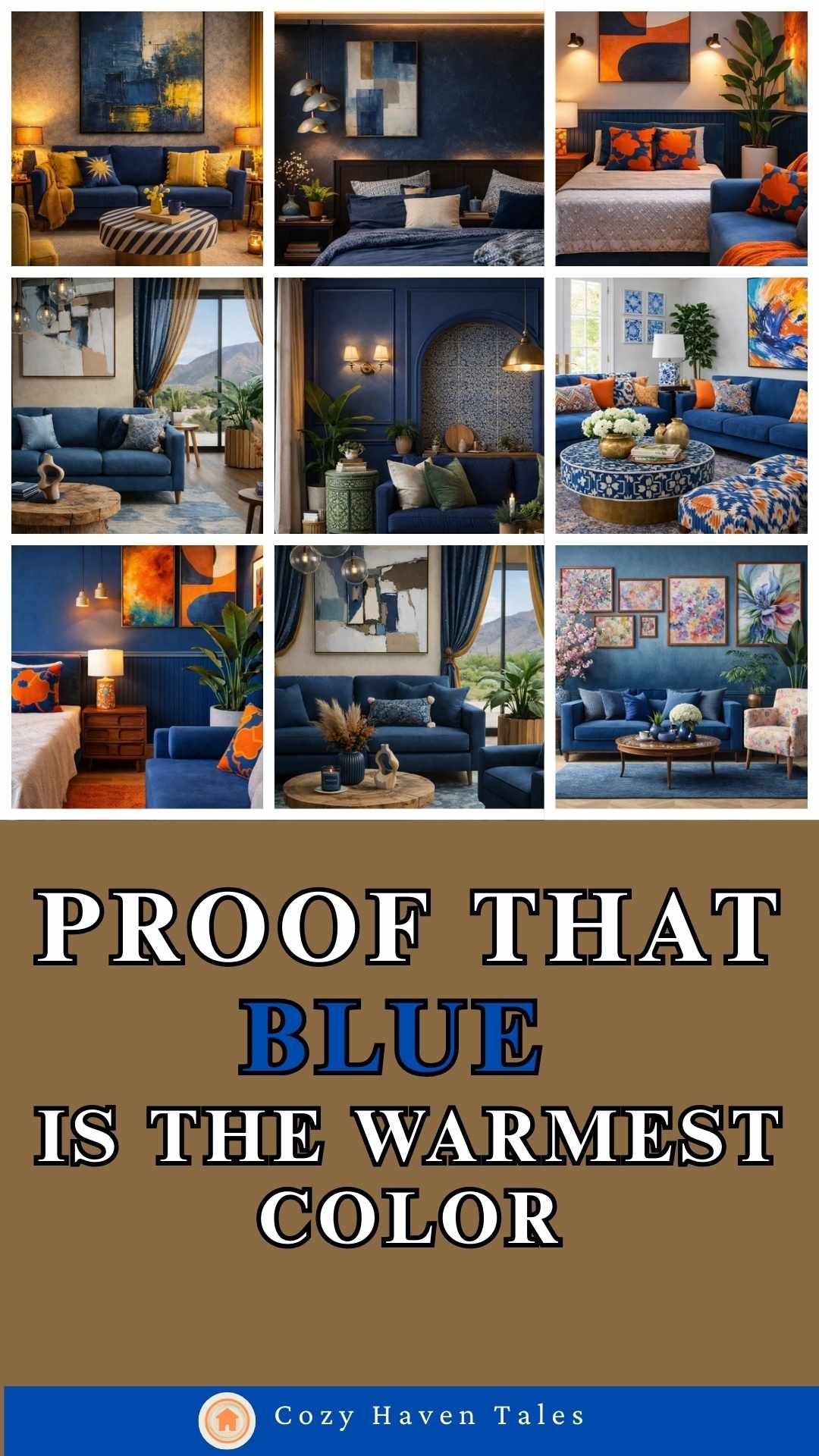
And then, a few years ago, I painted a client’s wall in deep navy and introduced cobalt accents for the first time. That project completely changed my perspective.
More Articles You’ll Love
- Designers Share 9 Smart Tips for Styling a Blue Couch
- Top 10 Home Decor Trends to Know in 2026
- 7 Home Styling Tips & Tricks to Shift Your Energy
Blue is the warmest color !
Not because it looks warm on a paint chip, but because of how it transforms a space when layered thoughtfully. That distinction matters! Emotional warmth lasts far longer than what we perceive at first glance.
I’ve seen it happen again and again. A room that once felt flat suddenly feels grounded. Intimate. Inviting.
So let’s talk about why blue is the warmest color.
Blue Is the Warmest Color — When You Use It Intentionally
Here’s the truth most people miss: color temperature and emotional warmth are not the same thing.
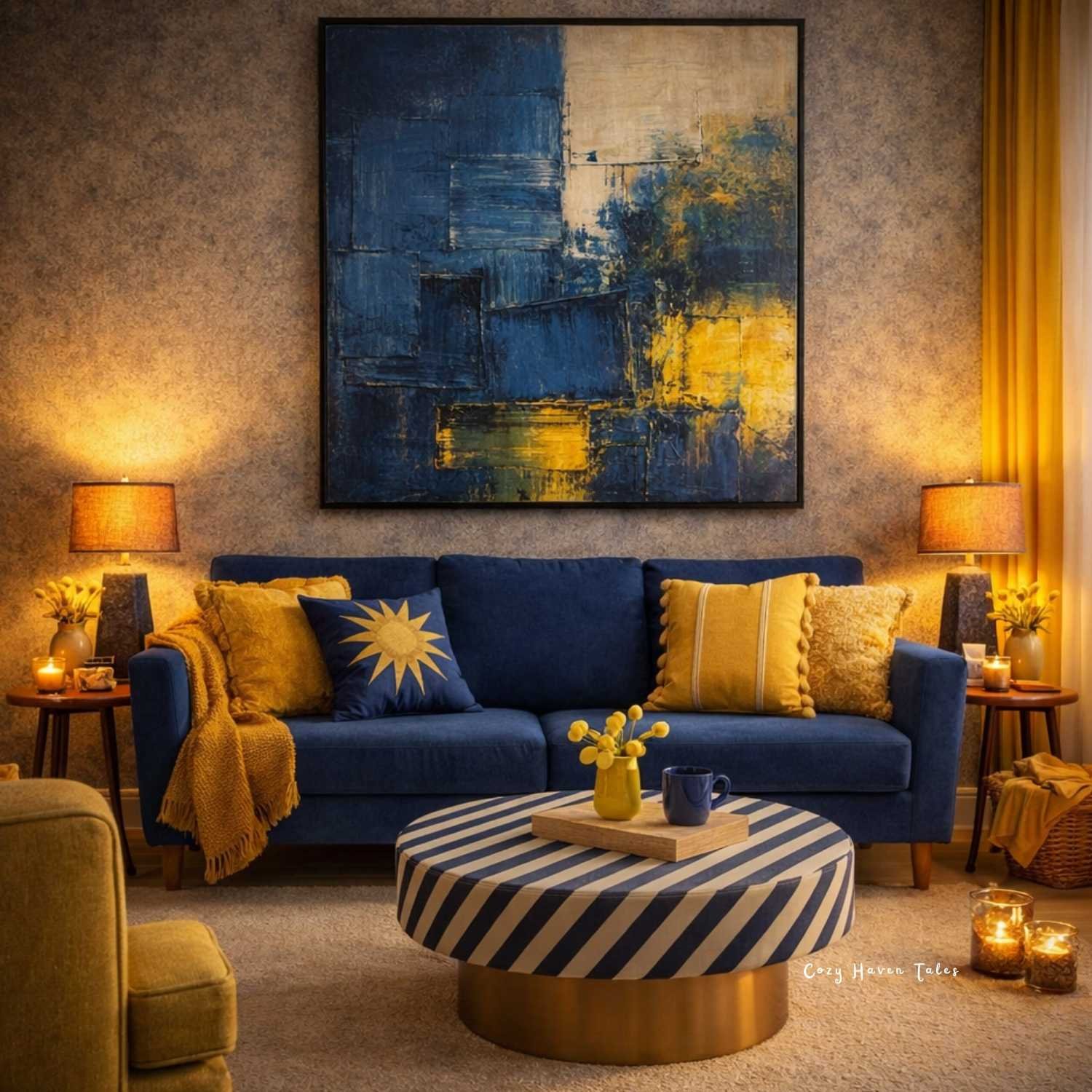
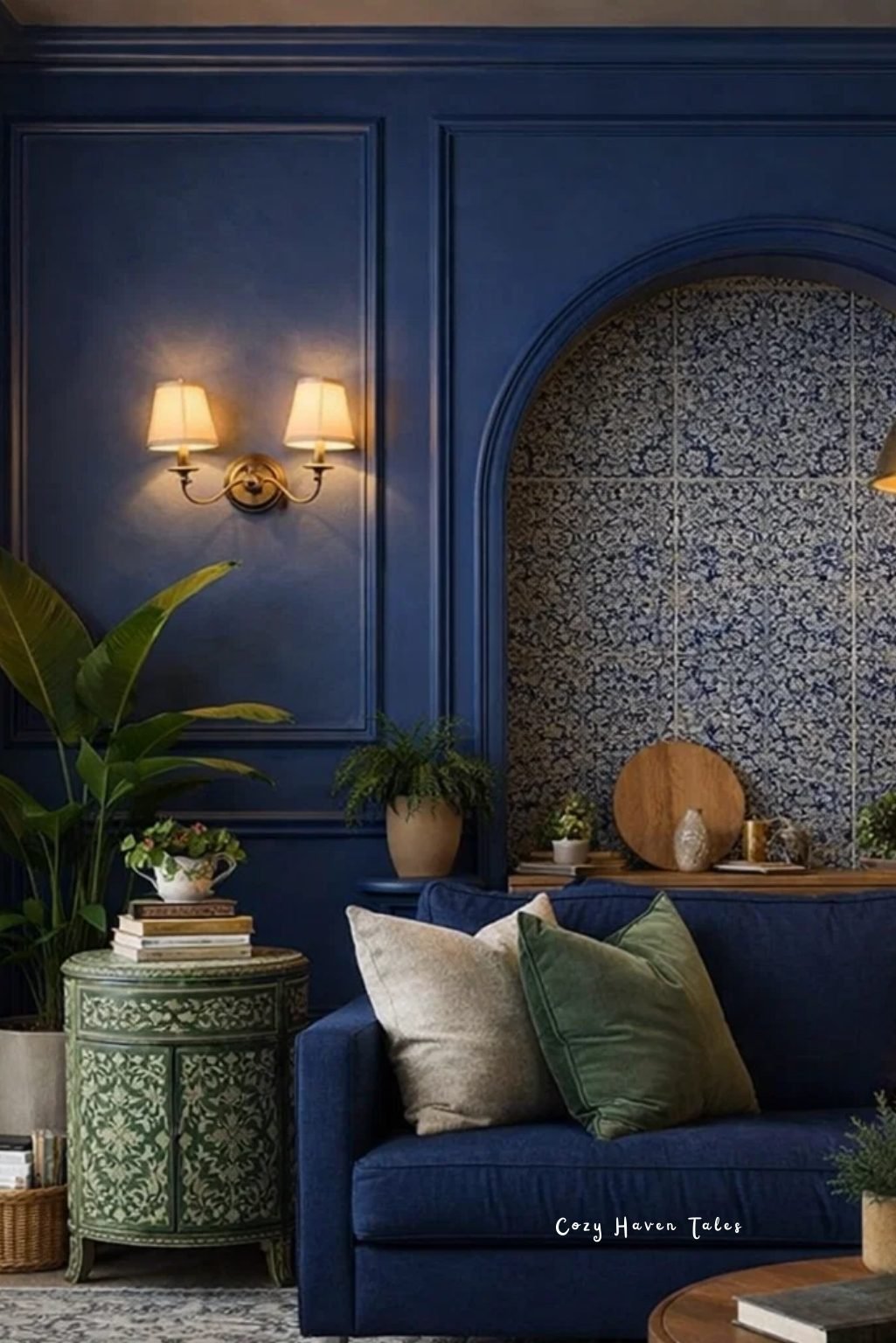
A deep navy wall under warm lamplight doesn’t feel cold.
It feels enveloping. Intimate. Grounded.
That’s why blue is the warmest color in spaces designed for comfort.
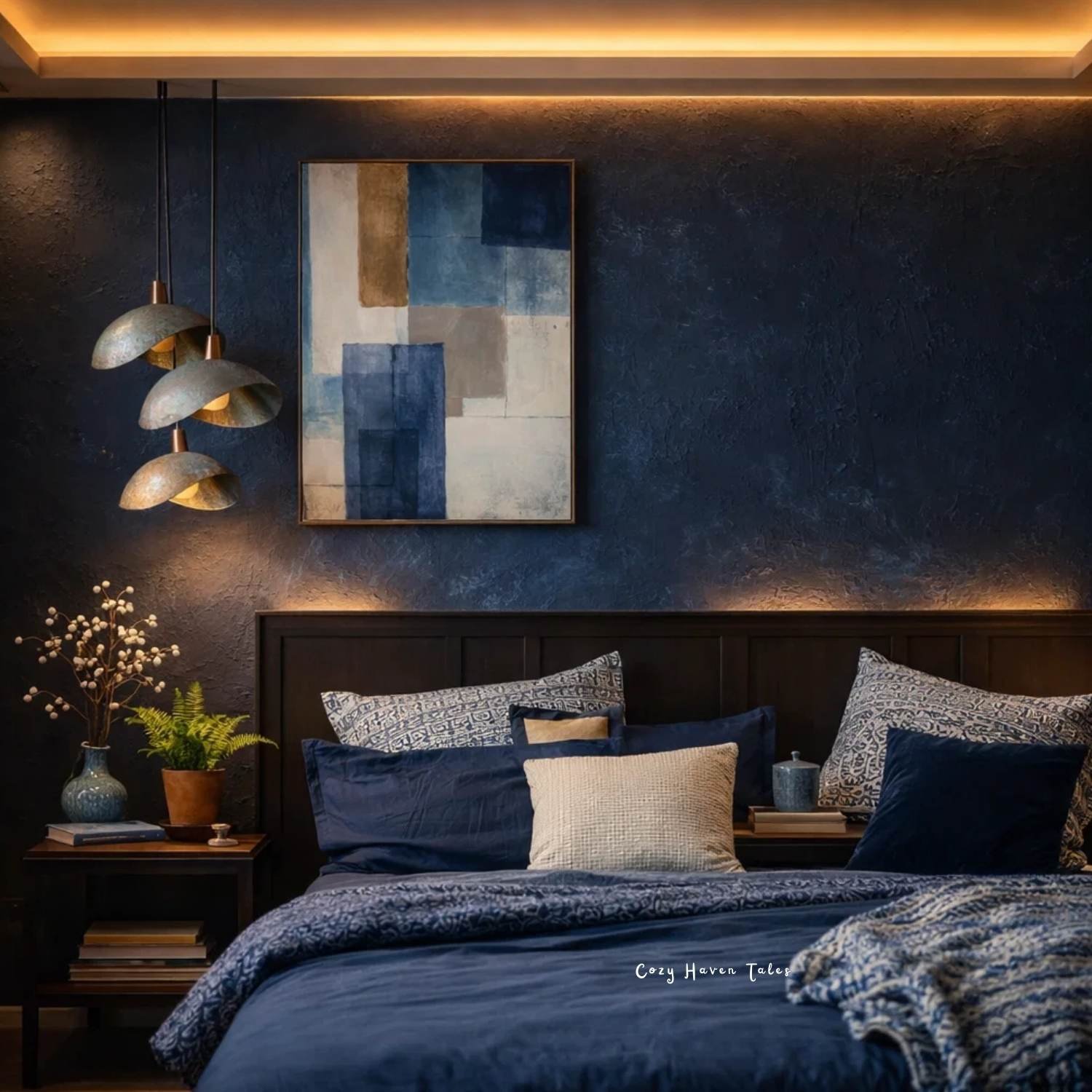
When paired with:
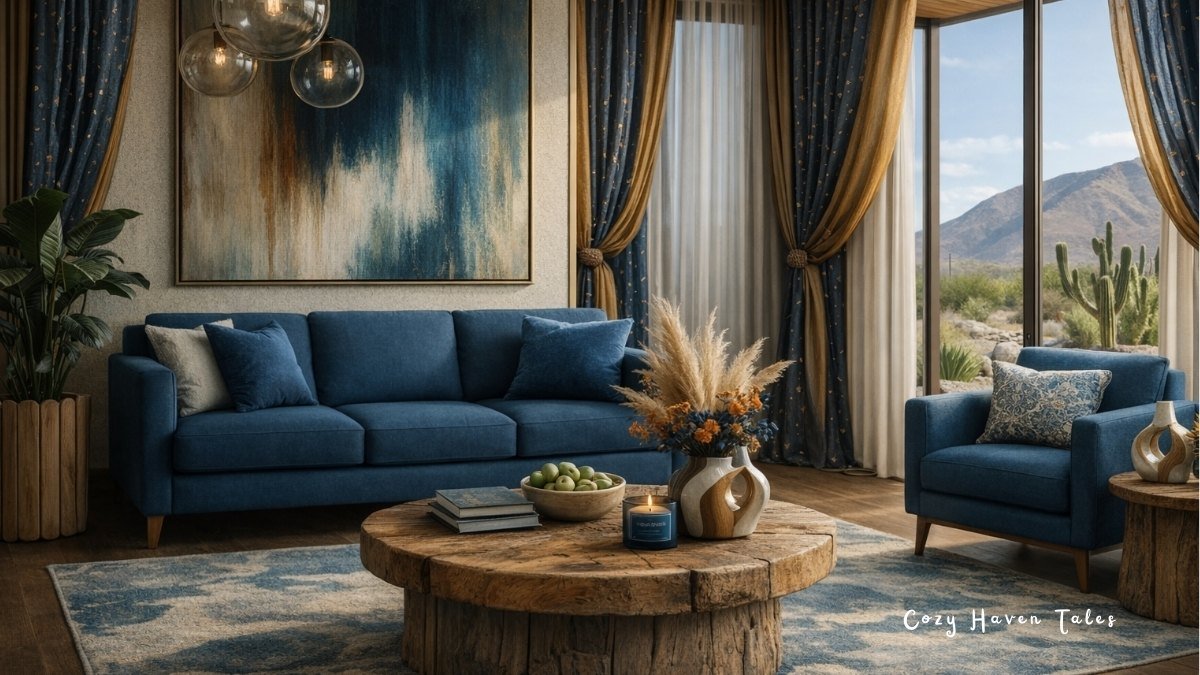
- Warm wood furniture
- Soft ambient lighting
- Linen curtains
- Chunky knit throws
Blue stops feeling icy and starts feeling like a cocoon.
I remember sitting in my living room one evening after painting the walls navy. The lights were low, candles flickering, and the room didn’t feel chilly at all. It felt like a quiet retreat, and that’s when I truly understood that blue is the warmest color.
That’s when it clicked: blue isn’t cold. It’s contextual.
The problem isn’t blue — it’s how we use it.
Somewhere along the way, we decided cozy equals warm colors only — terracotta, caramel, muted yellows. And yes, those are beautiful.
But cozy isn’t just about temperature. It’s about feeling.
As I always say, emotional warmth lasts longer than visual temperature!
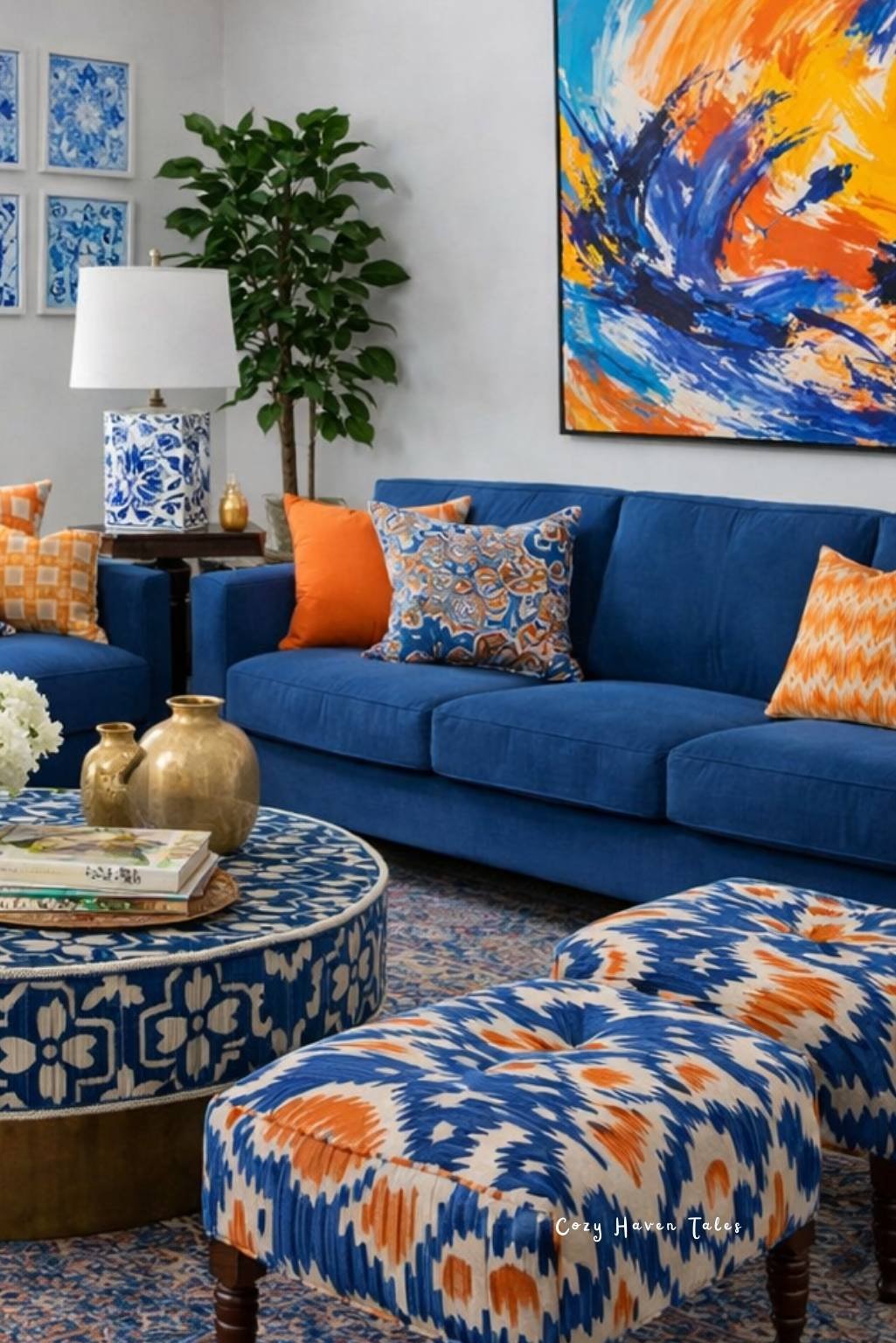
Cozy is:
- Intimate
- Grounded
- Slightly cocooned
- Soft around the edges
And deep blues — especially navy, indigo, and cobalt — can create exactly that feeling when used thoughtfully.
Pro Tip:
If you want blue to feel warm, go deeper. Navy, indigo, and smoky cobalt create intimacy because they absorb light instead of reflecting it harshly.
You might also like: Confused About Your Interior Design Style? Use This Quick Finder
Why We Think Blue Isn’t Cozy
For years, we’ve been conditioned to believe cozy equals warm tones only.
Pinterest boards filled with:
- Beige sofas
- Cream rugs
- Brown leather
- Soft tan walls
And yes, those are beautiful.
But somewhere along the way, we forgot that blue is the warmest color when depth and lighting are working together.
The “cold blue” stereotype usually comes from:
- Harsh white overhead lighting
- Glossy finishes
- No textural contrast
- Too much stark white pairing
The “cold blue” stereotype usually comes from:
- Harsh white overhead lighting
- Glossy finishes
- No textural contrast
- Too much stark white pairing
Under those conditions, almost any color would feel flat.
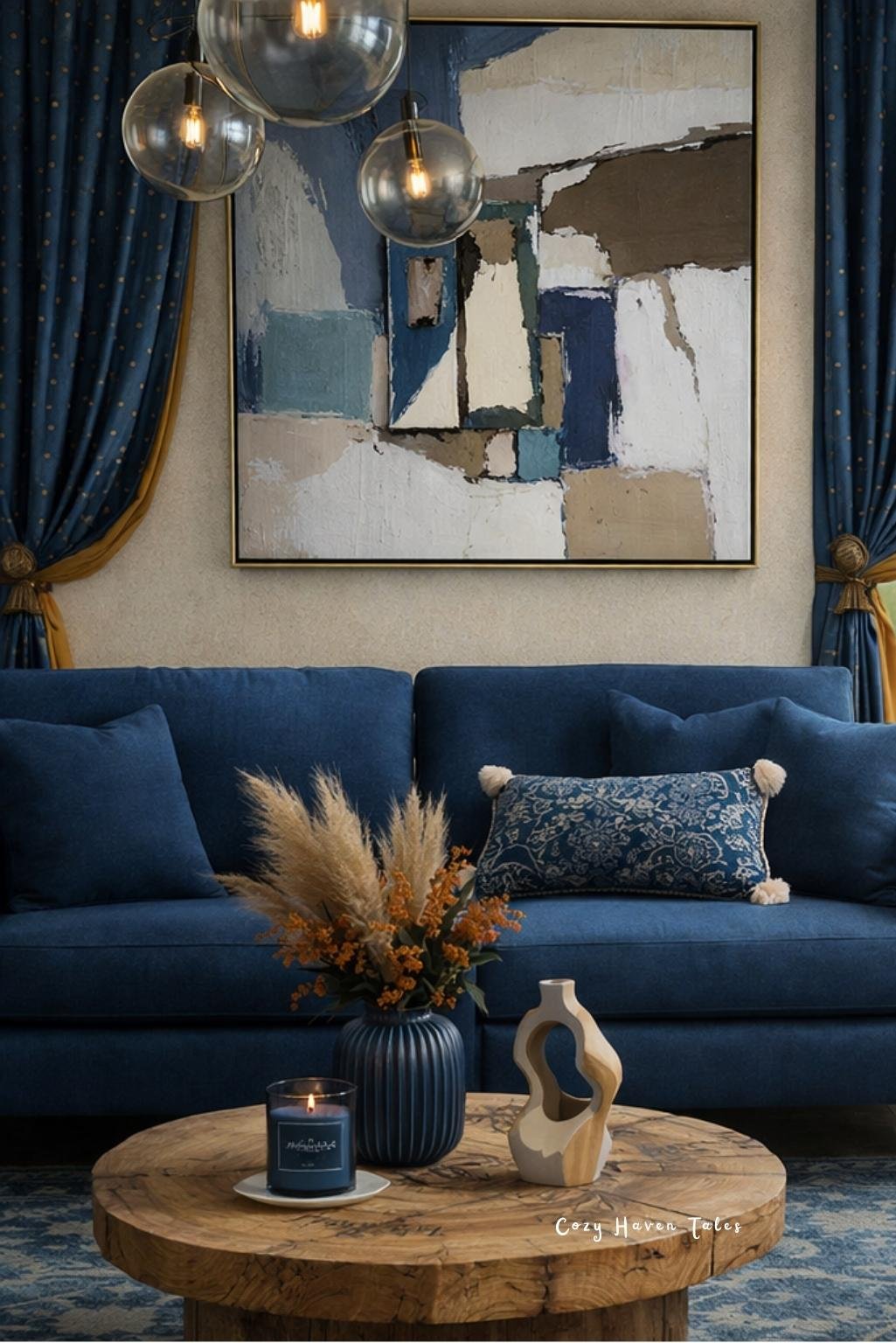
But here’s what we often overlook: when blue is paired with warm wood, layered textiles, ambient lighting, and tonal contrast, it doesn’t just feel warm emotionally — it can read warm visually too.
Shadows soften. Surfaces glow. The depth of blue absorbs light instead of reflecting it harshly.
And that’s when something shifts.
When layered intentionally, blue is the warmest color — not just emotionally, but visually in the right setting.
And that’s actually powerful!
If you’d like more detailed answers on color pairings, explore our guide on How to Decorate Around a Blue Couch: 11 Common Questions Answered.
How to Make Blue the Warmest Color in Your Home
Blue doesn’t become warm by accident. It becomes warm by design. When depth, lighting, texture, and contrast work together, everything shifts. These are the four steps that make it happen.
(1) Choose Shades That Prove Blue Is the Warmest Colour
Not all blues are created equal.
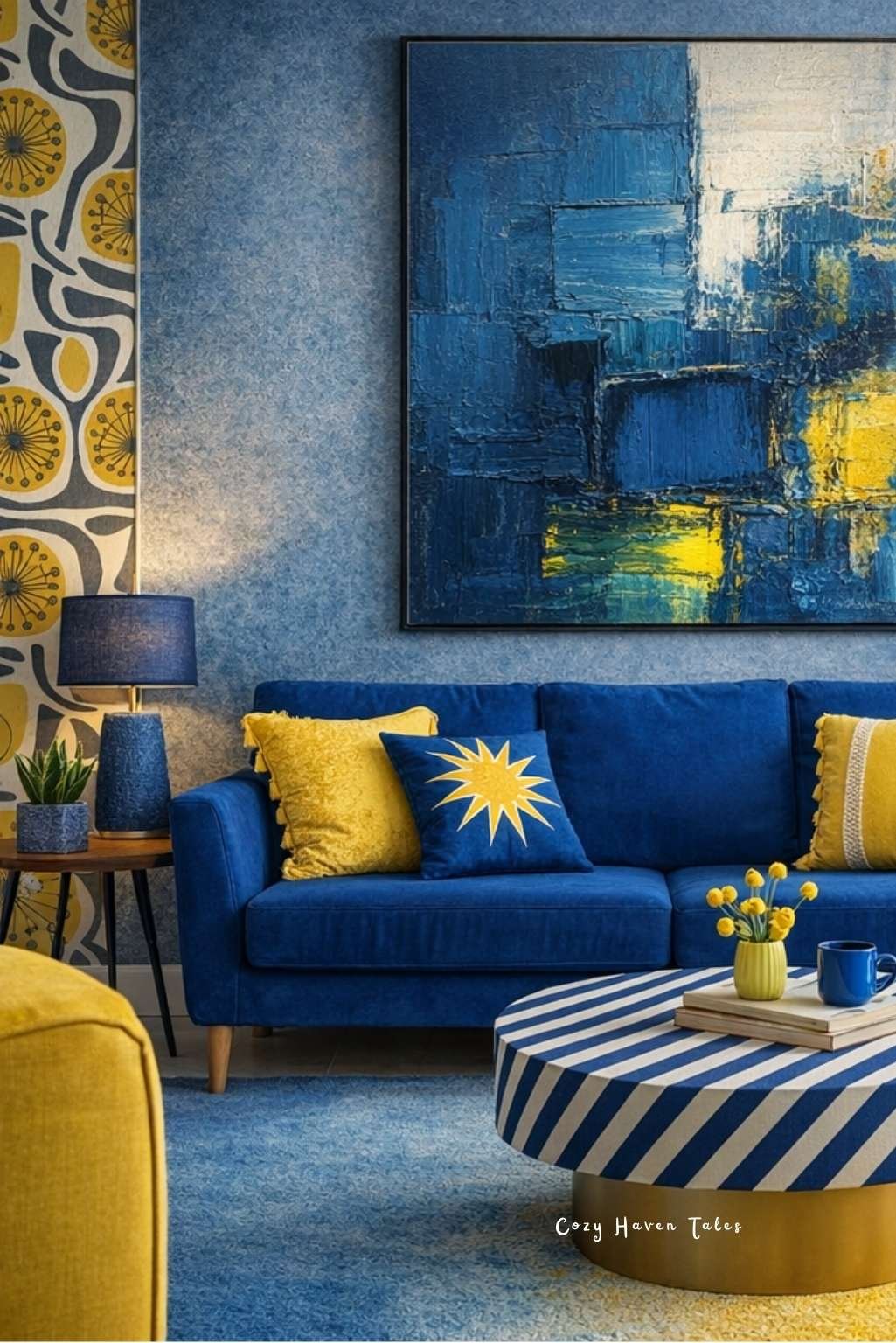
If your goal is cozy, lean toward:
- Deep navy
- Smoky indigo
- Inky midnight blue
- Slightly muted cobalt
These shades absorb light rather than reflect it aggressively. They make a room feel wrapped rather than exposed.
That subtle absorption is powerful. It softens edges. It deepens shadows. It creates intimacy.
The first time I used navy behind a sofa, I was nervous. But at night, with table lamps on and curtains drawn, the wall didn’t look cold. It looked like a soft, dark backdrop — almost like velvet.
That’s when I realized something important: dark doesn’t mean cold.
Sometimes, dark is what makes a space feel held.
And in the right shade, blue is the warmest color.
Pro Tip:
Flat blue can feel distant. Textured blue feels human. Linen curtains, velvet cushions, woven rugs, and chunky throws soften the visual impact instantly.
Suggested Read: What Colors Go With Blue Wall Paint Color in a Living Room
(2) Use Layered Lighting to Make Blue the Warmest Color
This changes everything!

If I could give only one piece of advice, it would be this:
Never judge blue under usual lighting.
- Blue under cool white light? Clinical.
- Blue under warm ambient light? Magical.
Cool white overhead lights will absolutely make blue feel sterile. But warm lamps? Completely different story.
Think:
- Soft table lamps
- Wall sconces
- Warm LED bulbs
- Candles
When warm light hits navy walls, it creates depth and softness. The room starts to glow instead of glare.
Shadows become layered. Corners feel intentional. Surfaces look richer.
That’s when blue becomes the warmest color — visually and emotionally.
Cozy lives in that glow.
Pro Tip:
Blue under cool white lighting will always feel colder than it should. Switch to warm bulbs (around 2700K), add table lamps, and layer your lighting. That’s when the magic happens.
(3) Texture Makes Blue Feel Alive
Flat color can feel distant. Textured color feels human. Blue needs texture. Otherwise, it can feel flat.
Layer it with:
- Chunky knit throws
- Linen curtains
- Velvet cushions
- Woven rugs
- Warm wood furniture
- Leather accents
I once styled a navy bedroom with crisp white bedding, and it looked… fine. Clean. Polished. But not inviting. When I swapped in a thick oatmeal throw and a slightly rumpled linen duvet, the entire mood shifted. Suddenly the room felt like a boutique hotel — intimate, layered, intentional.
Texture is what turns color into atmosphere.
It’s also what proves that blue is the warmest color when depth replaces flatness.
(4) Pair Blue with Warm Neutrals
This is where people often go wrong.
Blue + bright white = contrast.
Blue + cream or beige = harmony.
When you pair deep blue with:
- Warm beige
- Soft taupe
- Caramel leather
- Honey-toned wood
- Orange
- Mustard
- Powder pink
It instantly feels balanced.
The warmth doesn’t compete with the blue — it grounds it.
I personally love navy with warm oak furniture. The contrast feels rich but grounded. Like the room has depth and history.
And when depth, warmth, and texture come together, there’s no debate left.
That’s when blue is the warmest color.
Even Bold Cobalt Blue Can Feel Warm
Now let’s talk about brighter shades.
Cobalt can be bold. Energetic. Statement-making.
But even here — blue is the warmest color when balanced correctly.
Use cobalt as:
- A statement armchair
- Kitchen cabinets paired with brass hardware
- A bold foyer wall grounded by wood and warm lighting
The trick is balance. Bold doesn’t mean cold.
Blue Is the Warmest Color in Living Rooms
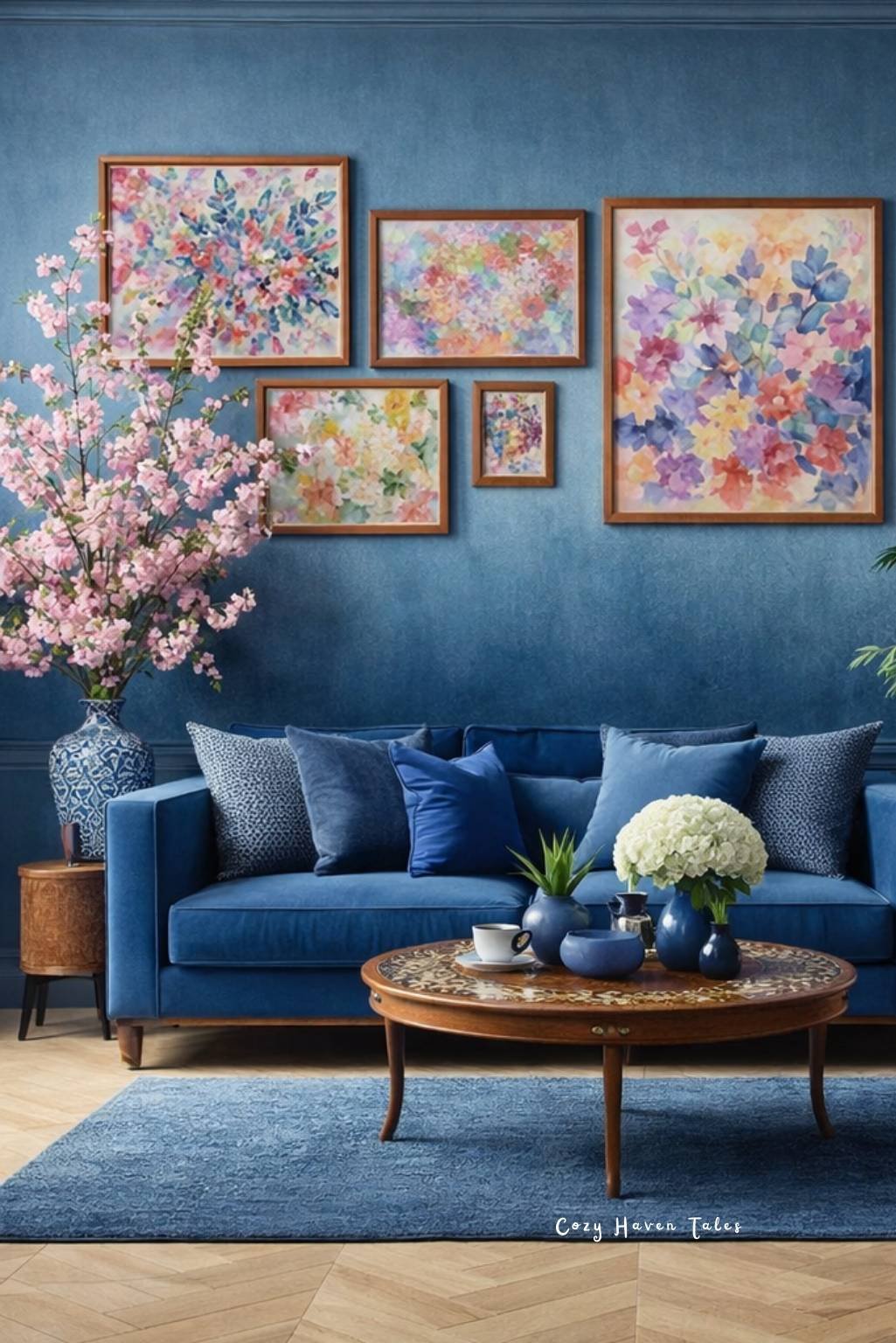
There is something undeniably comforting about a navy living room.
Instead of reflecting light aggressively, deep blue absorbs it. That absorption creates softness. It makes the room feel grounded and intimate.
Try this:
- Navy accent wall
- Cream or oatmeal sofa
- Wooden coffee table
- Brass lamps with warm bulbs
The result? A space that feels sophisticated and relaxed at the same time.
Blue is the warmest color when it anchors the heart of the home.
Related post: Stop! Never Do a Living Room Dining Room Combo in 2026
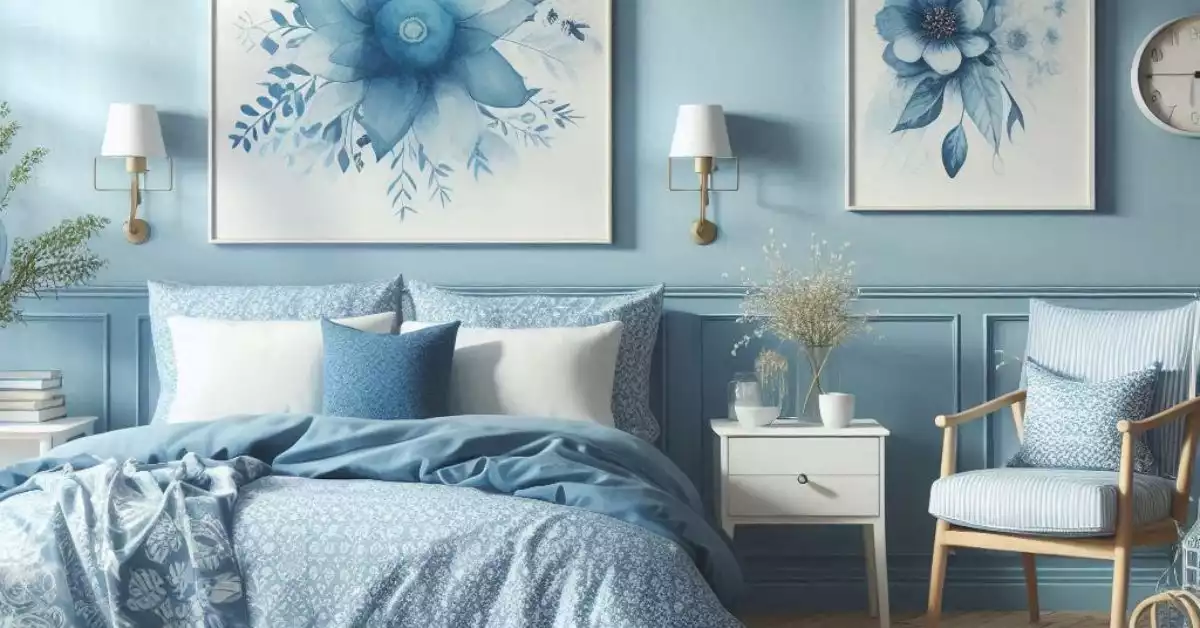
Blue Is the Warmest Color in Bedrooms
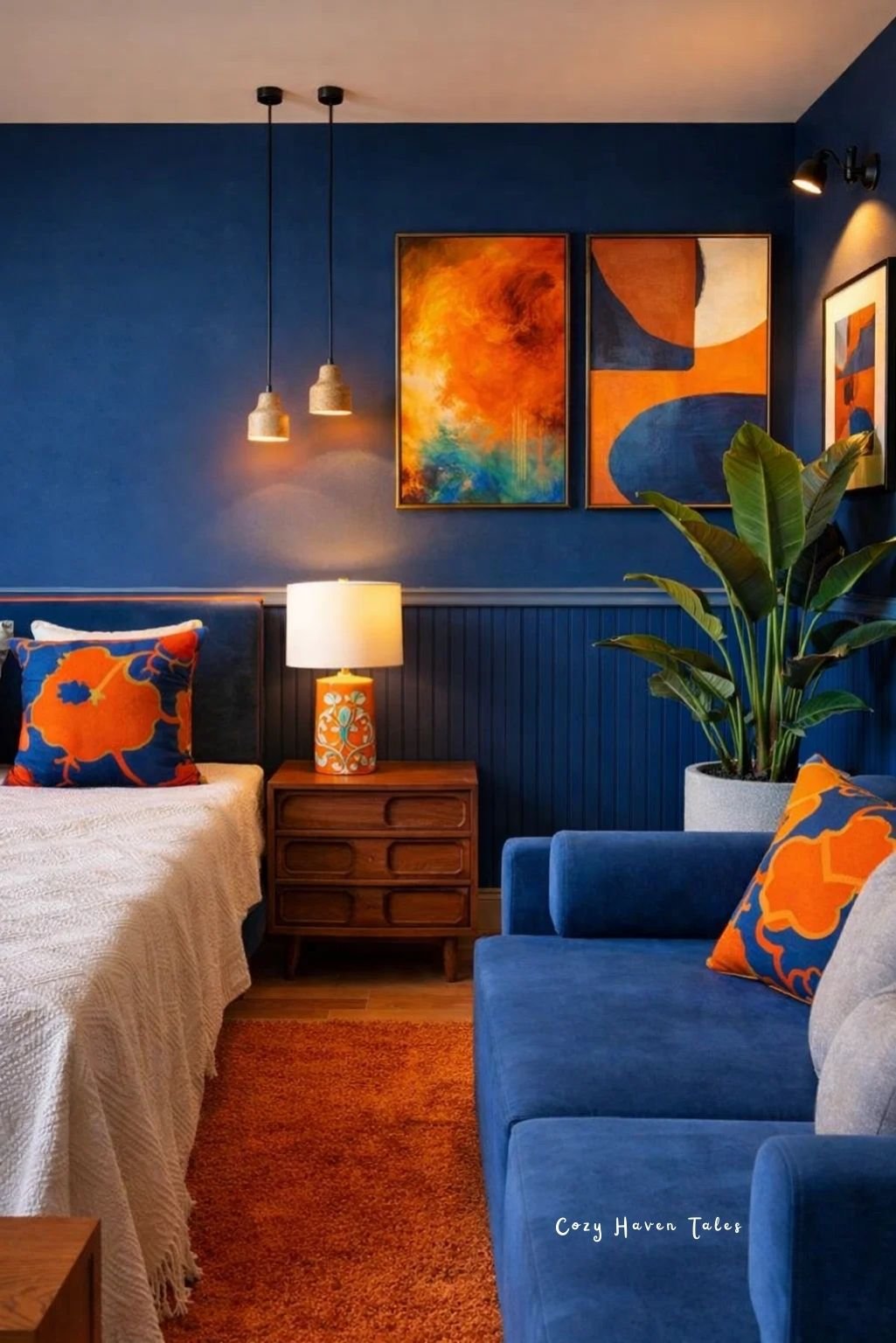
If there’s one room where this phrase truly comes alive, it’s the bedroom.
A deep indigo or navy behind the bed creates a sense of enclosure. It feels protective. Almost like being wrapped in a soft blanket.
Add:
- Layered bedding in warm neutrals
- Soft bedside lamps
- Textured throws
- Natural wood nightstands
Suddenly, the room doesn’t feel cool. It feels intimate.
Blue is the warmest color when you want a space to feel calm but connected.
Blue Is the Warmest Color — Emotionally
There’s also something deeper happening.
Blue evokes:
- Stability
- Calm
- Quiet confidence
- Depth
When a room feels stable, it feels safe. And safety is one of the core elements of coziness.
That’s why blue is the warmest color — not just visually, but emotionally.
It slows the room down. It softens the mood. It invites you to stay longer.
If You’re Still Unsure
Start small.
- Paint the inside of a bookshelf blue
- Try navy cushions on a neutral sofa
- Add a blue rug under warm lighting
- Swap in blue bedding with soft beige layers
Live with it for a while.
You might find yourself sitting in that room at night thinking, “This feels different.”
Warmer. Softer. More grounded.
Final Thought: Blue Is the Warmest Color When You Let It Be
Cozy isn’t about copying a color palette from a catalog. It’s about creating a feeling. And when layered with warm light, rich textures, and natural materials, blue is the warmest color your home can wear.
Sometimes the most comforting spaces aren’t the obvious ones. Sometimes, they’re the bold ones. And sometimes, all it takes is one navy wall to change your mind completely.
Cozy Haven Tales Tips: Making Blue Feel Warm in Your Home
If you’re considering bringing blue into your space but still feel hesitant, here are my tried-and-tested design principles:
1. Go deeper, not brighter.
For a cozy effect, choose navy, indigo, or muted cobalt over overly bright blues. Depth creates intimacy.
2. Warm up the lighting before judging the color.
Never evaluate blue under harsh white lights. Switch to warm bulbs (around 2700K) and add layered lighting.
3. Add texture generously.
Blue loves softness — linen, velvet, woven rugs, knit throws. Texture turns bold color into atmosphere.
4. Balance with warm materials.
Pair blue with warm wood, brass accents, caramel leather, or creamy neutrals. Contrast creates harmony.
5. Think in mood, not just color.
Ask yourself how you want the room to feel. Intimate? Grounded? Relaxed? When styled intentionally, blue supports those emotions beautifully.
Because at the end of the day, blue is the warmest color when it’s designed with depth, light, and intention.
And as I always say, emotional warmth lasts longer than visual temperature.
More Articles: