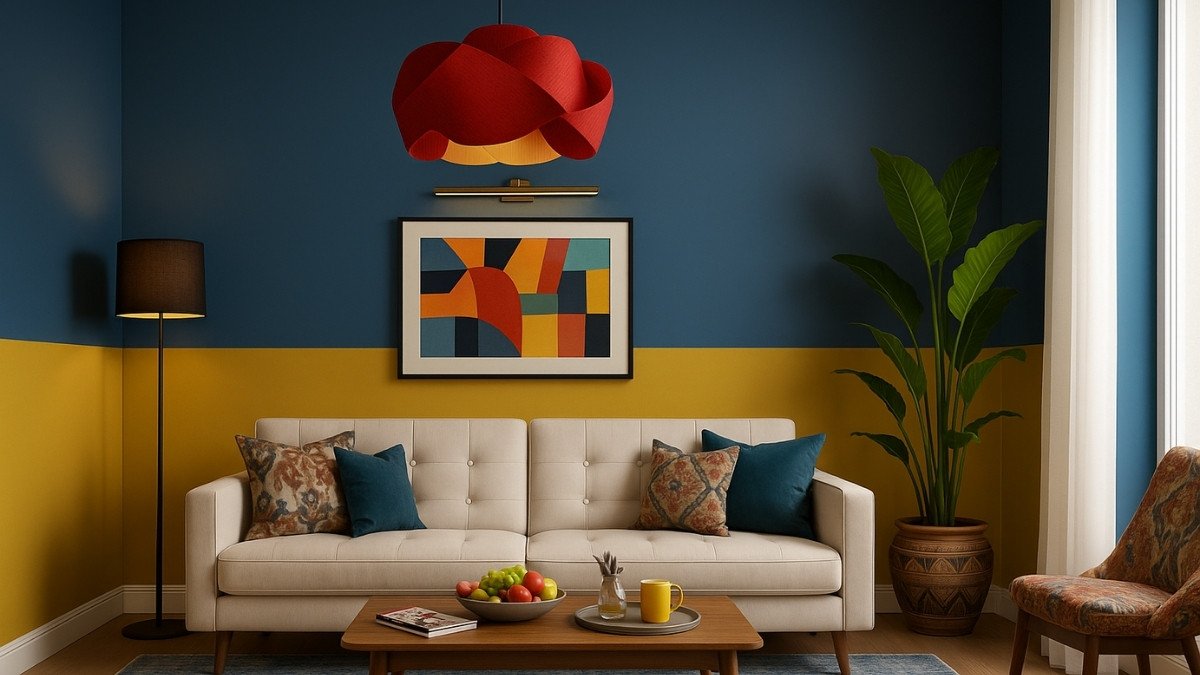
Quick Summary: If your home feels dark, heavy, or gloomy even after adding lights, color can help more than people realize. Start with the biggest surfaces first: refresh the wall color, check whether the curtain color is weighing the room down, and use a lighter rug color if the floor is dark. Then bring in brighter metal finishes and fresh decor tones. The goal is to reduce dark, light-absorbing colors and use fresher shades on the surfaces that can reflect light back into the room.

How to Brighten Up Your Home with Color
Some rooms feel heavy even when they are clean, organised, and well furnished. The sofa may be expensive, the lights may be on, and yet the entire room still looks dull or tired. Often, the problem is not the furniture or the way the room is organised. It is the combination of dark shades, muddy undertones, dull finishes, busy patterns, and strong color contrasts surrounding it.
Color is one of the simplest ways to correct this. Used thoughtfully, it can brighten a dark room, reduce visual heaviness, and make the space feel fresher without requiring a major renovation.
First, Notice What Is Making the Room Feel Heavy
Before adding anything new, look at the room as a whole. A space may feel dark not just because it receives limited natural light, but also because the colors, materials, and finishes inside it absorb or block that light.
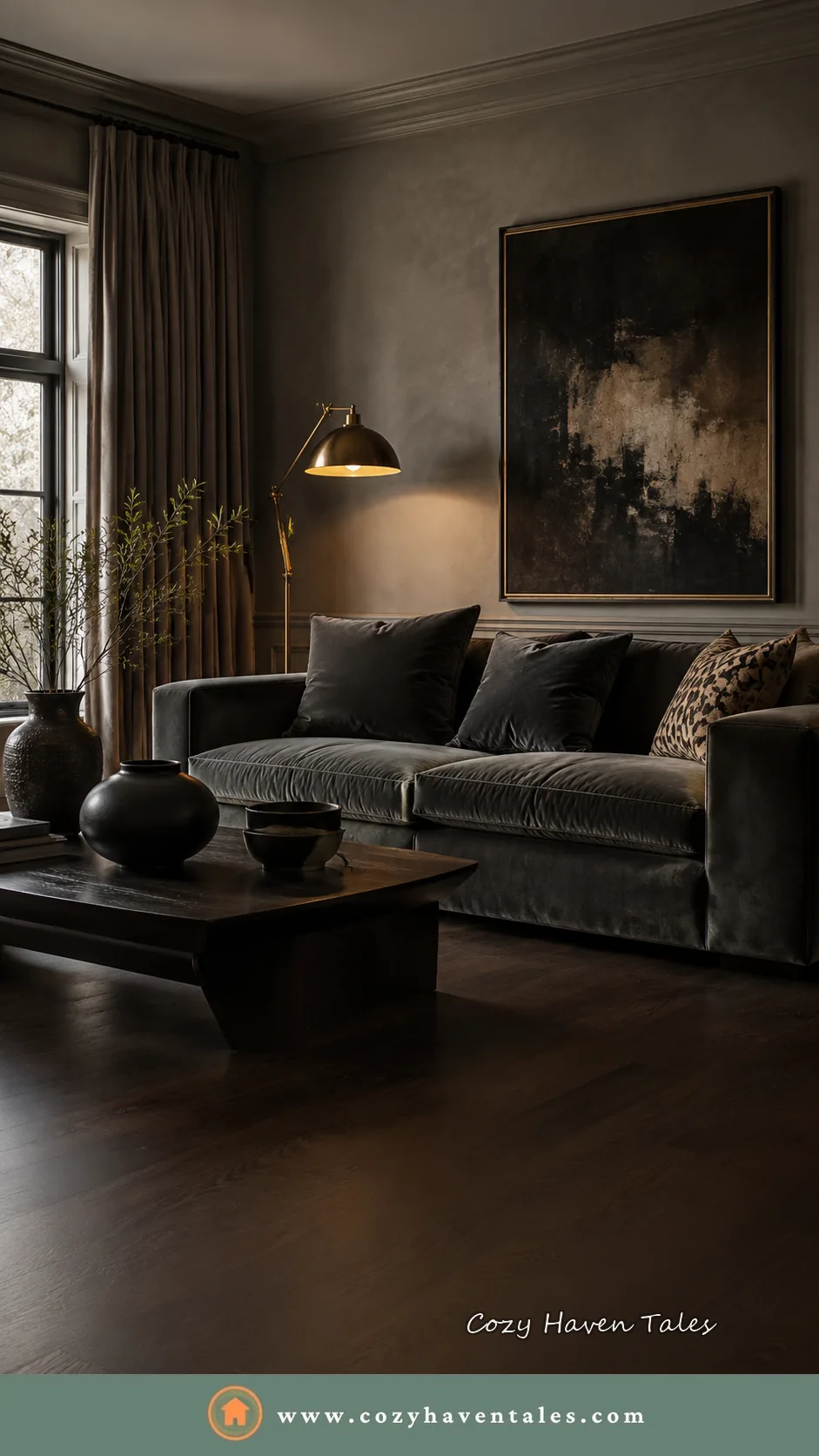
Dark flooring, deep-colored curtains, beige walls with gray or muddy undertones, heavily patterned fabrics, dark wood furniture, and too many matte black accents can all absorb light. Even good artificial lighting may struggle when most of the surrounding surfaces are deep, dull, or non-reflective.
This does not mean that every dark element has to go. Dark colors can add depth and character, but they need to be balanced with lighter surfaces, cleaner patterns, warmer undertones, and a few finishes that reflect light.
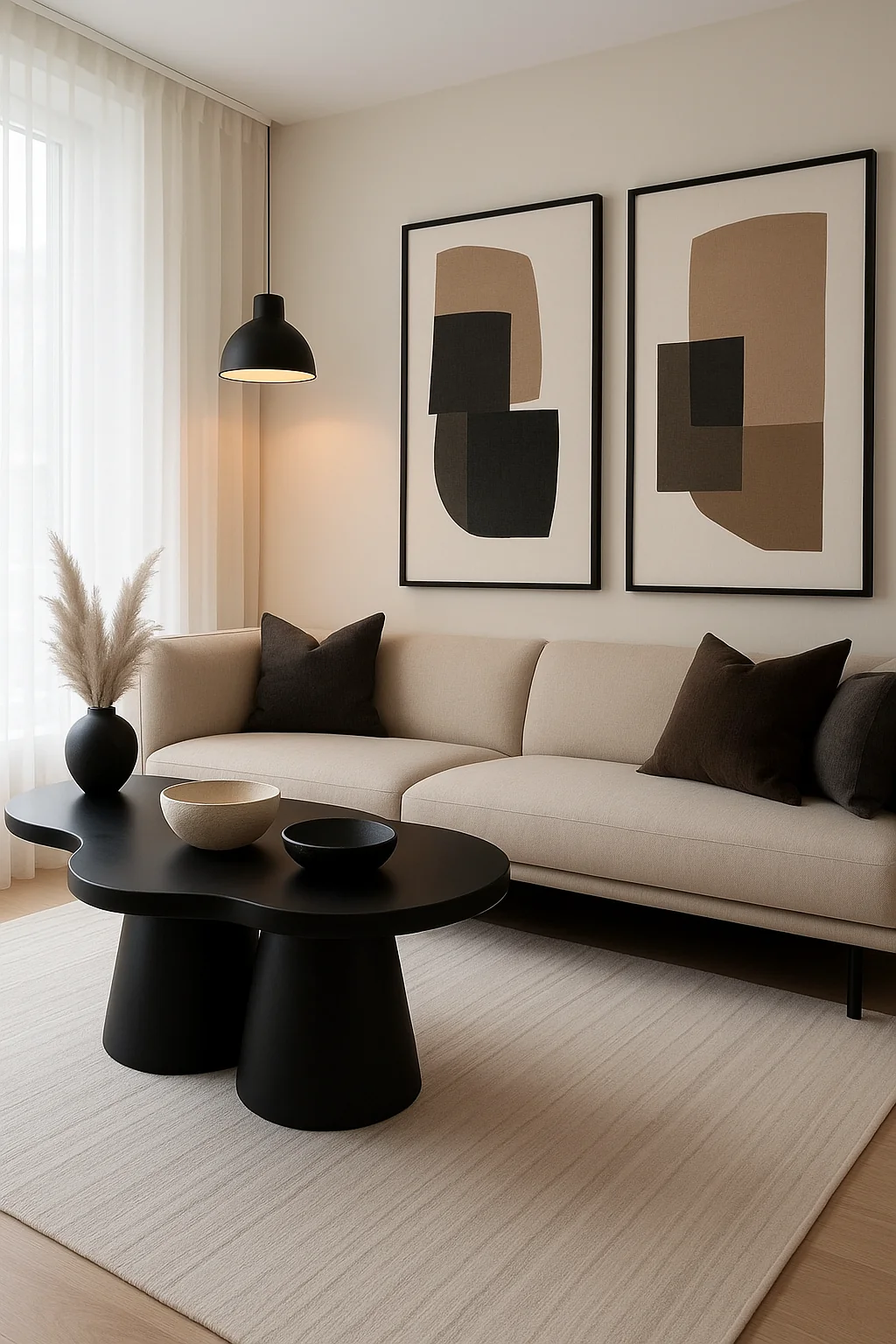
Cozy Haven Tales Pro Tip: Take one photograph of the room during the day and another in the evening. Photographs often reveal visual heaviness more clearly than the eye.
Related article: 24 Living Room Paint Colors Designers Love (With Real Benjamin Moore & Sherwin-Williams Matches).
Refresh the Walls with Light, Clean Color to Brighten Up Your Home
Begin with the largest surface the eye notices first: the walls.
Walls are one of the cheapest large surfaces to change, and wall color can make the biggest difference in a dark room. If your room feels gloomy, fresh paint should be the first serious option to consider.

White and off-white are still the safest choices when brightness is the main goal. They reflect light and make the room feel more open. This does not mean every home must have plain white walls. It simply means that white and off-white solve the brightness problem faster than most colors.
If you do not want white walls, be careful with beige and greige in a room that already feels heavy. Beige can look beautiful in the right light, but in a dark room it may appear dull. Greige can feel even heavier when the room has cool light or dark flooring.
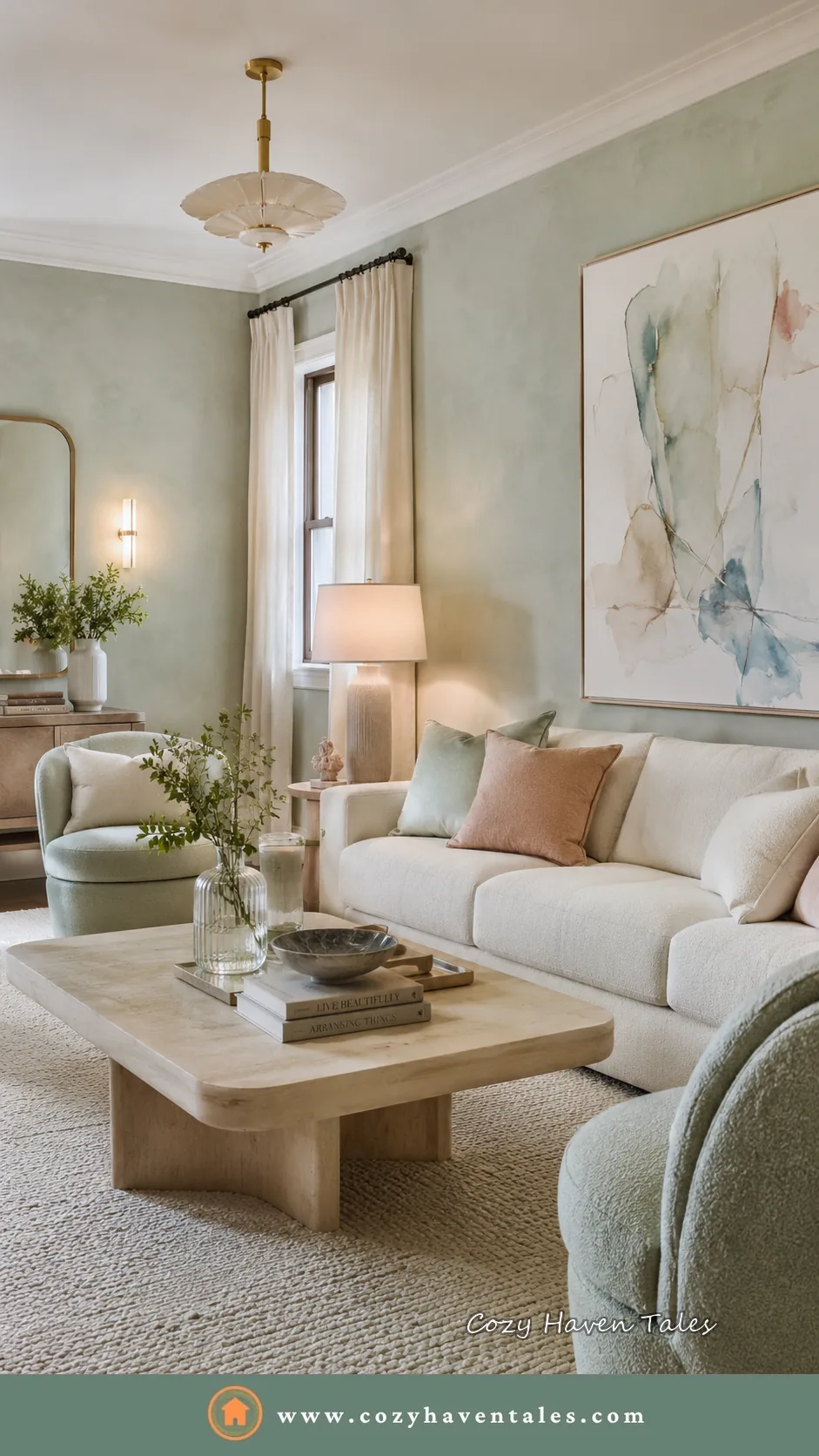
You can choose a lighter version of a color you love. Try pale sage instead of deep green, soft peach instead of terracotta, or powder blue instead of navy.
This way, you get color without losing brightness.
Good wall colors for darker rooms include:
- warm white
- soft ivory
- light cream without too much yellow
- pale sage
- powder blue
- very soft peach
- blush pink
- light butter yellow
- fresh mint
Always test paint on a board or directly on the wall before deciding. A color that looks fresh in a store can look muddy at home if the room receives weak natural light.
For a more detailed paint-selection process, read our guide on how to choose wall paint colors before committing to an entire room. And for living room colors I particularly love, browse these living room paint color ideas.
Avoid Dark Contrast on Wall Moldings and Trim
Wall moldings can make a room look refined, but in a dark space they need careful color treatment. Dark contrast on molding, trim, or wall panels can make the wall look busy and heavy.
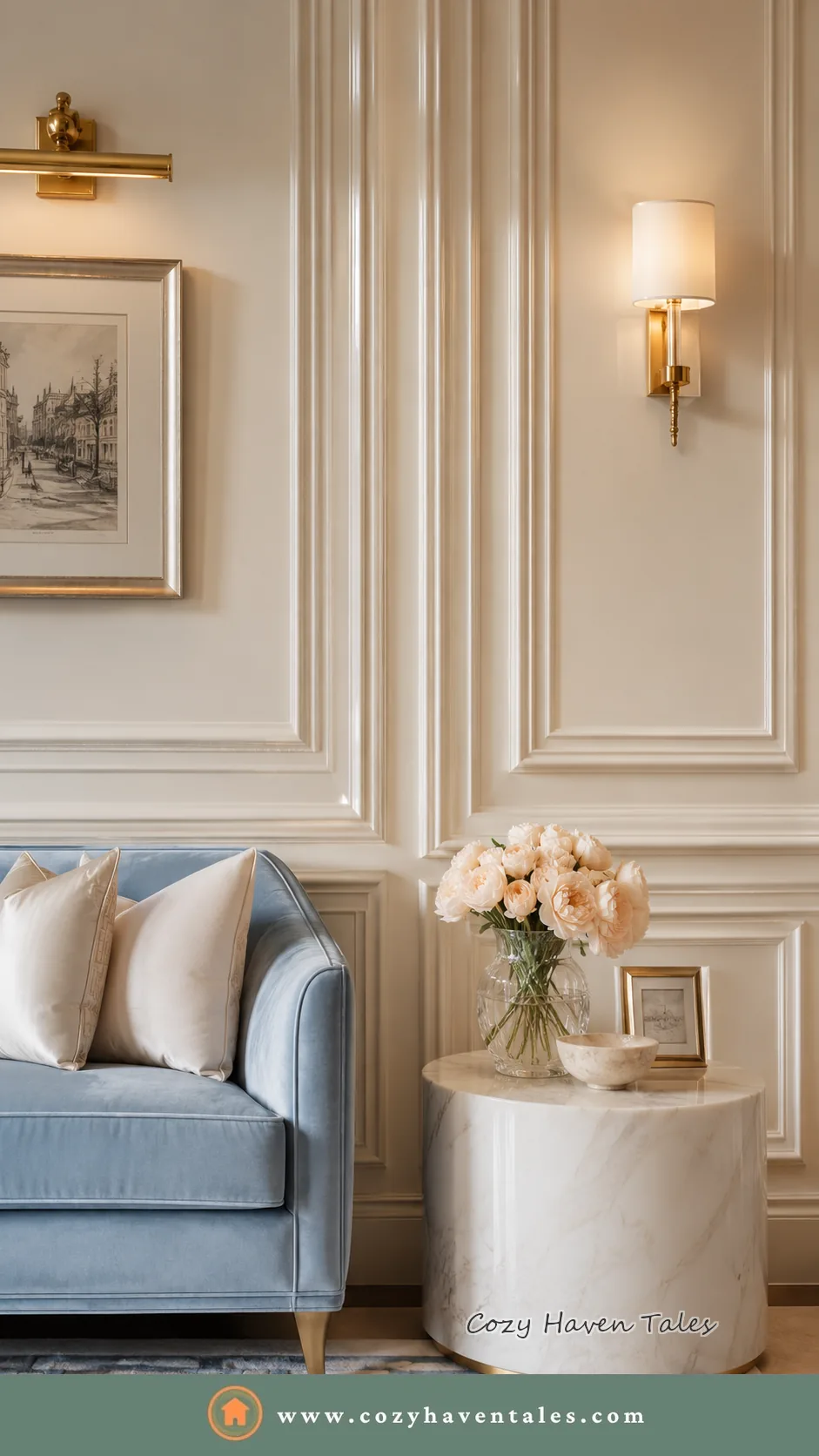
If the room already lacks light, avoid painting moldings in a darker color than the wall. That contrast creates more lines for the eye to read, and the wall can start feeling boxed in.
The cleaner option is to paint the wall and molding in the same color.
If you still want the molding to show, change the paint finish instead of the color. For example, keep the wall matte and paint the molding in the same shade with a satin or gloss finish. You can also do the reverse, with a softer sheen on the trim and a washable finish on the wall.
This gives you detail without adding visual weight.
Cozy Haven Tales Pro Tip: In low-light rooms, let molding add texture, not contrast. Same color, different finish is usually softer than two different colors.
Choose Light-Colored Curtains Over Busy Prints
Curtains cover a lot of visual space, so their color can quickly make a room feel brighter or heavier.
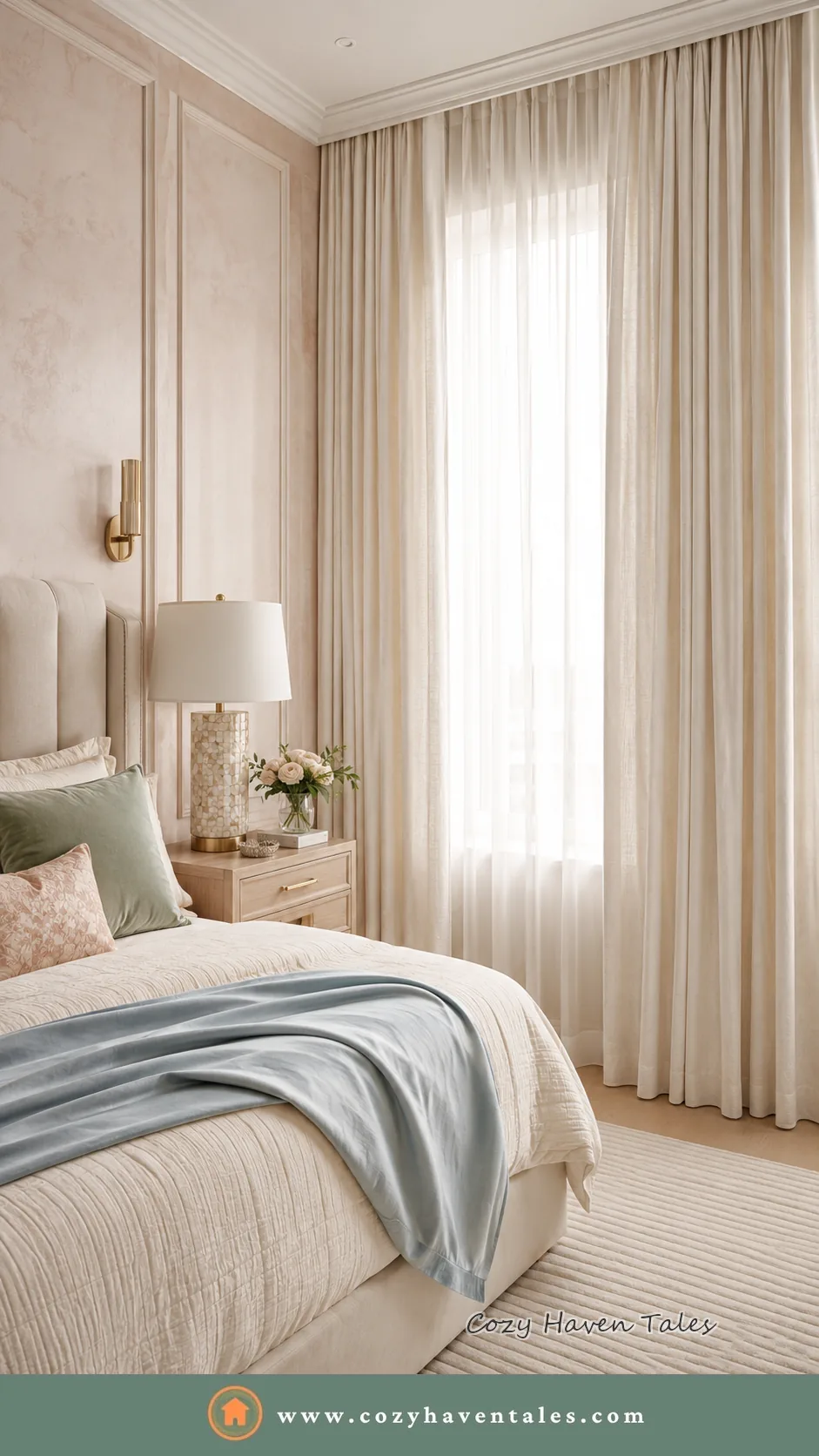
For a dark room, choose fresh, light-colored curtains in a plain fabric. White, off-white, soft cream, pale blue, light sage, or a very light gray can work well, depending on the wall color. These shades keep the window area looking open and help available daylight spread more softly through the room.
Avoid curtains with dark backgrounds, strong color contrasts, or dense prints if the space already feels gloomy. Even a light-colored fabric can look heavy when it has busy florals, bold geometric patterns, or dark outlines. These patterns break up the window visually and add more color weight to the room.
Try to keep the curtain color close to the wall color rather than creating a strong contrast. This makes the wall and window feel more continuous, helping the room appear lighter and less visually crowded.
Sheer curtains are especially useful when daylight is limited. Soft white, ivory, or very pale-colored sheers filter harsh light without making the window appear dark.
Cover Dark Flooring with a Lighter Rug
Dark flooring can look rich and elegant, but it may make the room feel heavier when combined with deep walls, curtains, or furniture. If replacing the flooring is not practical, adding a lighter rug is one of the easiest ways to balance the color.

Choose ivory, oatmeal, soft beige, pale taupe, light gray, or another muted light shade. Beige works well here because it is breaking up a dark floor rather than covering the entire room. The important thing is to choose a rug that is clearly lighter than the flooring beneath it.
Avoid rugs with dark backgrounds, heavy borders, or strong high-contrast patterns. Even when a rug contains lighter colors, too much navy, burgundy, brown, or black can make the floor area feel visually heavy again.
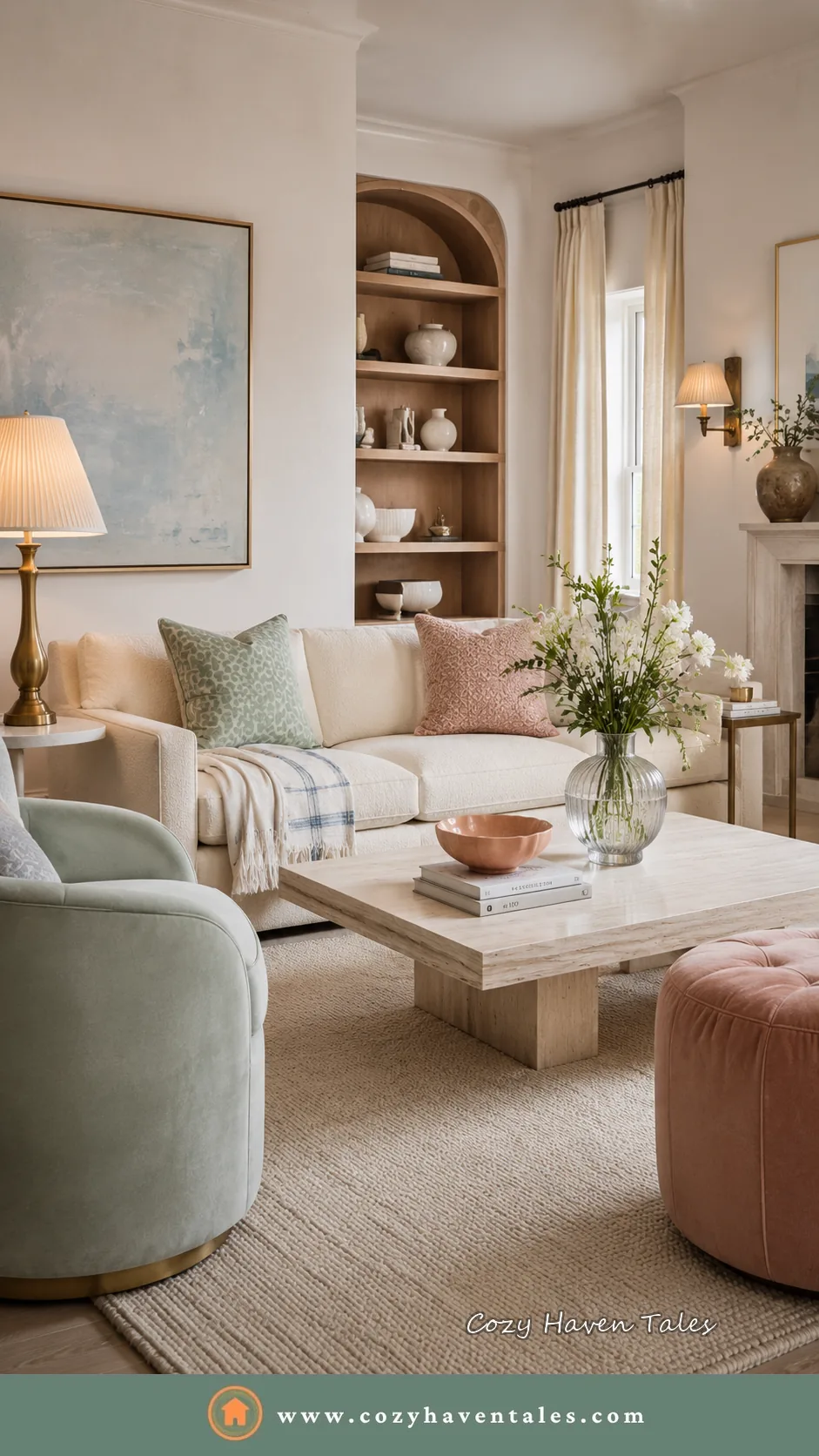
A plain rug, a tone-on-tone design, or a subtle pattern in similar light shades will brighten the floor without making it feel stark.
Cozy Haven Tales Pro Tip: If the dark flooring is beautiful, do not hide it with another heavy color. Use a light rug that softens the overall palette while allowing a little of the original floor to remain visible.
Bring in Mirrors Where They Can Catch Light
Mirrors do not create light, but they can move it around the room. That is why placement matters more than simply buying a large mirror.
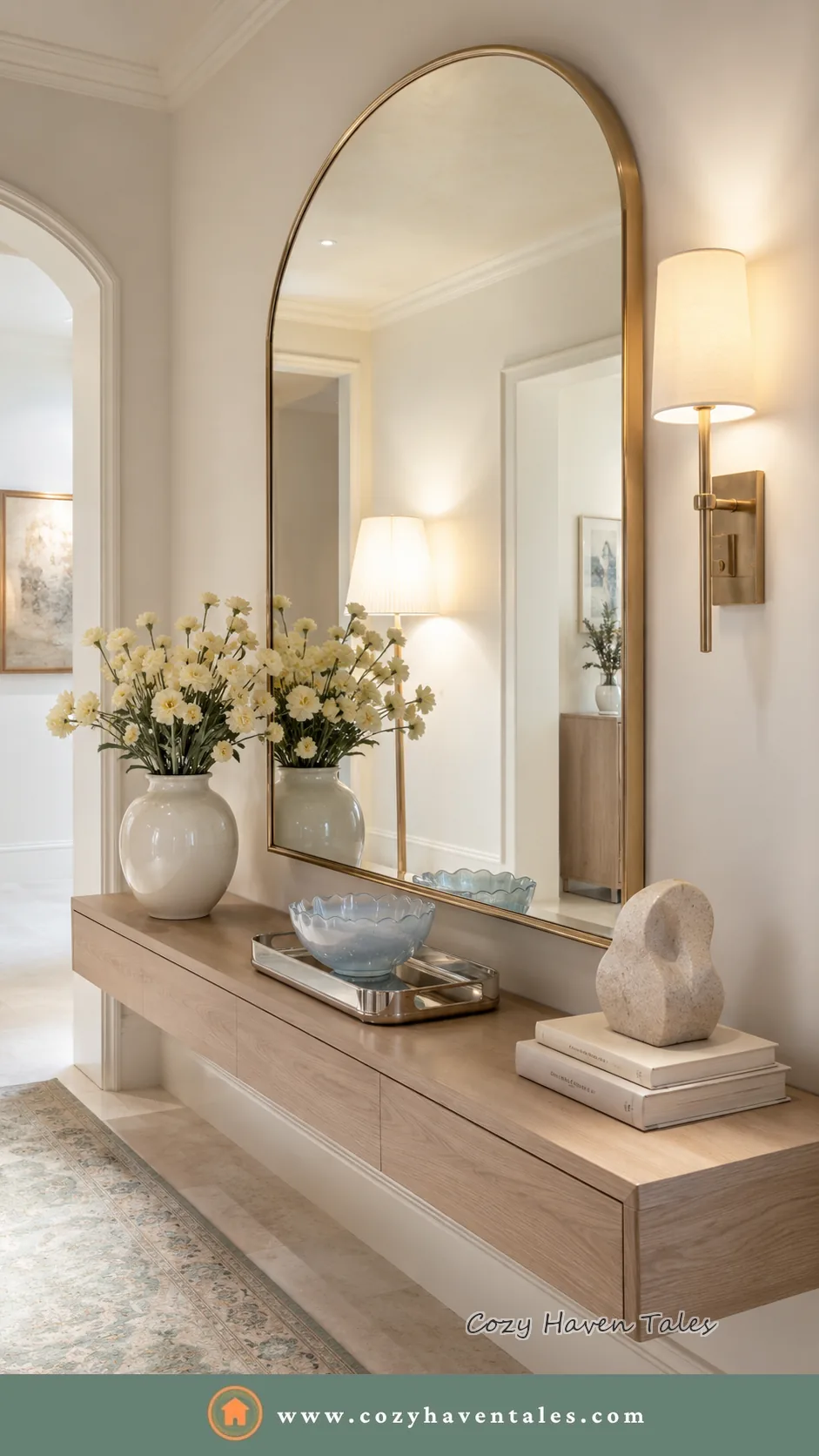
Place a mirror where it can reflect a window, a light-colored wall, a lamp, or an open part of the room. Avoid placing it where it reflects a dark cabinet, cluttered corner, or television. A mirror doubles whatever it sees, so give it something useful to repeat.
In a narrow hallway, a mirror can make the space feel less closed. In a living room, a mirror above a console or opposite a window can help the room feel brighter during the day. In a bedroom, a mirror near a lamp can soften evening light.
The frame matters too. For a dark room, choose a slim frame in brass, chrome, light wood, white, or soft metallic finish. A very thick dark frame can make the mirror feel heavier than it needs to.
Use Shiny Metal Color in Small Doses
Metallic colors and shiny metal finishes can help brighten a dark room because their reflective surfaces catch and bounce small amounts of light. You do not need much. A few touches of brass, brushed gold, chrome, or polished nickel can make the space feel less dull and flat.
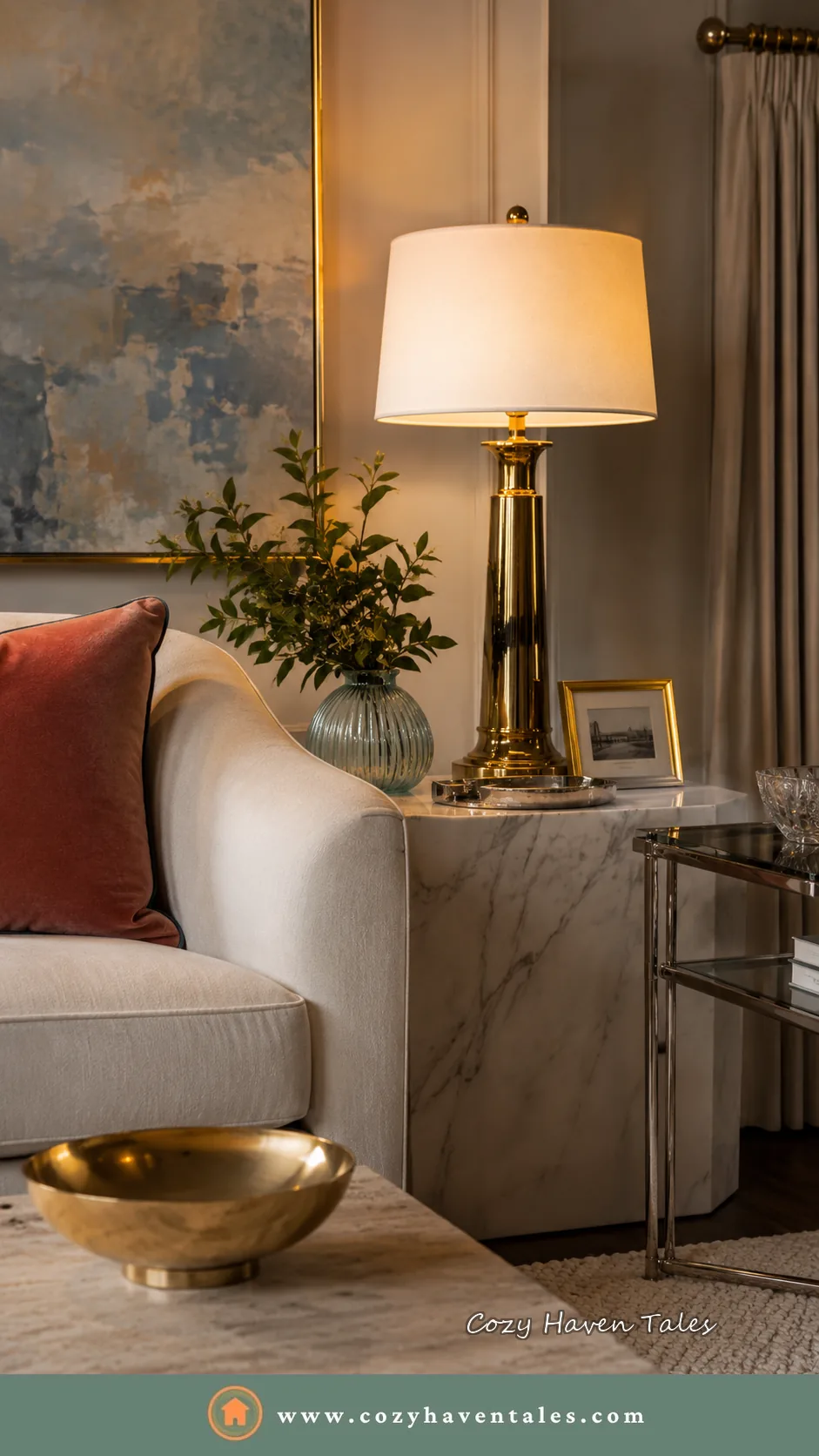
Good places to use reflective metal include:
- lamp bases
- mirror frames
- cabinet knobs
- tray edges
- candle holders
- side-table legs
- picture frames
- curtain rods
Choose the metallic tone according to the room’s color palette. Brass and brushed gold add warmth and work well with cream, beige, terracotta, green, and warm white. Chrome and polished nickel feel cooler and cleaner, making them a better match for gray, blue, crisp white, and cooler color schemes.
Keep the finishes small and repeat the same metallic color in two or three places. Too many different metal tones can create visual clutter and reduce the brightening effect.
Add Bright Accessories with Pattern and Texture
Once the walls, curtains, and floor feel lighter, accessories can bring the room to life. This is where color becomes enjoyable.

Choose bright decor accessories that add color without adding heaviness. Lamps, vases, trays, cushions, artwork, display objects, books, and ceramic bowls are all good options. Pattern and texture can help too, but keep them controlled.
For example, a cushion with a fresh blue-and-white stripe can brighten a dark sofa. A yellow ceramic lamp can lift a side table. A coral vase on a console can make the entry feel happier. A textured white bowl can lighten a dark wood coffee table without needing strong color at all.
The pattern should feel clean, not dense. Stripes, small checks, simple block prints, and light abstract designs usually work better than heavy florals or dark, crowded prints in a gloomy room.

If you already have several dark furniture pieces, use accessories with a clear background color. A cushion with lots of white space will feel lighter than one covered edge to edge in deep colors.
Cozy Haven Tales Pro Tip: For dark rooms, choose accessories that have some white, cream, glass, or shine in them. A bright color on a heavy dark background will not lift the room as much.
Choose Colors That Brighten Without Feeling Harsh
Brightening a room does not mean using neon colors or sharp white everywhere. The best colors are fresh enough to reflect light but soft enough to live with every day.
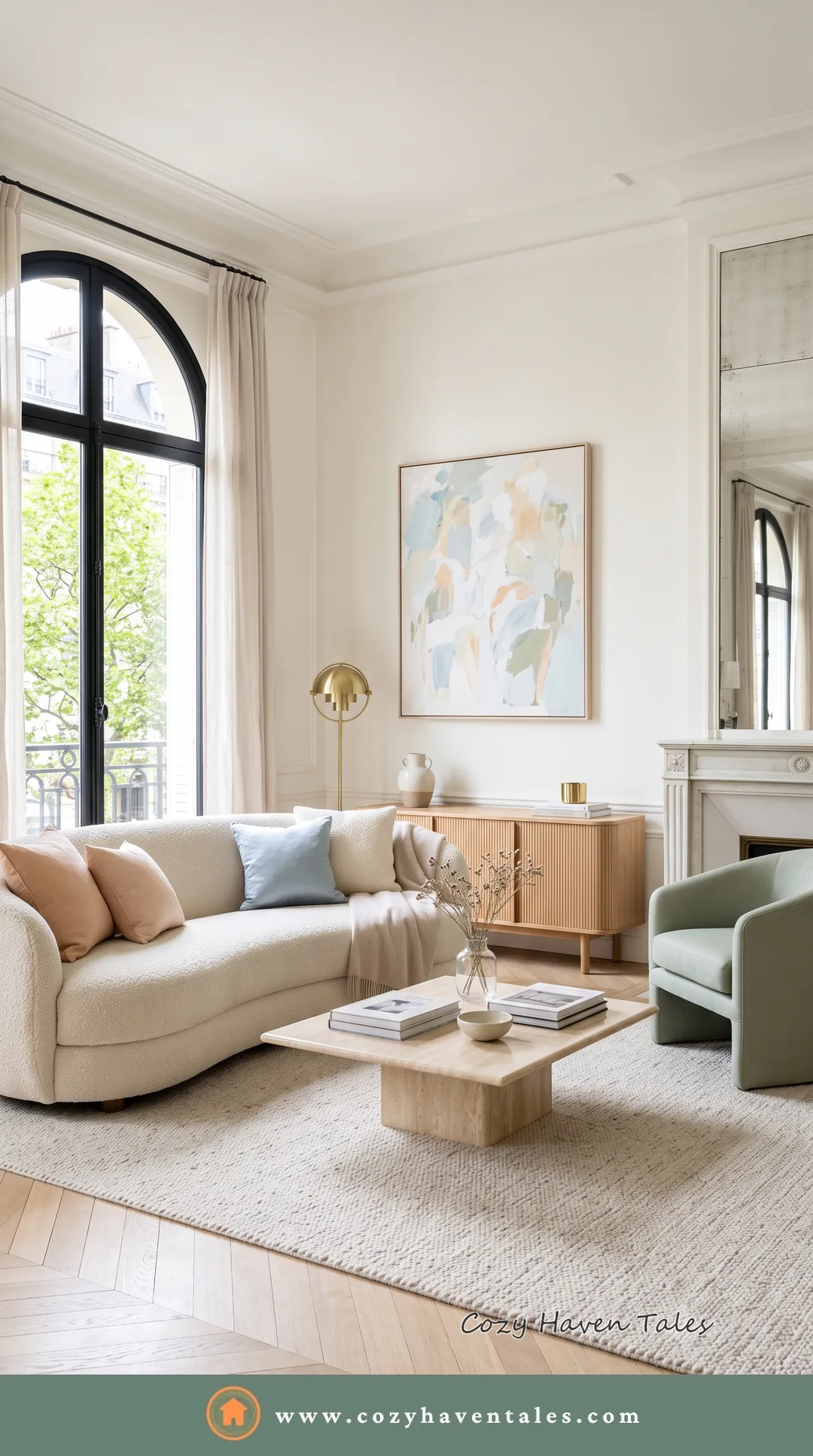
For example, a blue-and-white cushion can brighten a dark sofa. A soft yellow lamp can lift a dark side table, while a coral vase can add freshness to a deep wood console. White or cream accessories can also lighten the palette without introducing a strong color.
Keep patterns clean and simple. Stripes, small checks, light block prints, and airy abstract designs usually work better than dense florals or dark, crowded patterns. Accessories with a white, cream, or pale background will generally feel lighter than designs covered entirely in deep colors.
Cushions, lamps, vases, trays, artwork, books, and ceramic bowls are easy places to add lighter shades.
If your space feels dull no matter what you try, I walk through the full room by room fix in how to turn dull spaces into vibrant interiors.
Frequently Asked Questions
A. Paint is usually the cheapest big change because walls take up so much visual space. Fresh white, off-white, or a very light version of your favorite color can change the room more than several small accessories. If painting is not possible, start with light curtains and a lighter rug.
A. Beige is not wrong, but it needs enough light to look fresh. In a dark room, beige and greige can become dull or muddy, especially on walls. If you like warm neutrals, choose a cleaner ivory, warm white, or pale cream instead. Beige can still work well in rugs, cushions, and textured pieces.
A. Mirrors can help a room feel brighter when they reflect light or a pale surface. They do not help much if they reflect a dark wall, wardrobe, or cluttered corner. Place mirrors with intention, preferably near natural light or a lamp.
A. Solid white, off-white, soft cream, pale gray, light sage, and pale blue are good options. Avoid heavy printed curtains in a dark room because even light prints can make the window area feel busy. Sheer curtains are helpful when you want daylight to come through.
A. Use a lighter rug large enough to connect the main furniture pieces. Choose texture instead of a heavy print. Ivory, oatmeal, pale taupe, beige, and light gray rugs can all soften a dark floor and make the room feel less heavy.
Before choosing paint, it helps to understand light reflectance value, because lighter colors usually return more light into the room while darker colors absorb more of it.
A Designer’s Final Word
A dark room does not always need more lights. Sometimes it needs surfaces that allow the light to work.
Start with the walls, curtains, and floor. Then add mirrors, metal, and bright accessories. When the big surfaces feel lighter, even a small color detail can make the whole room feel fresher.