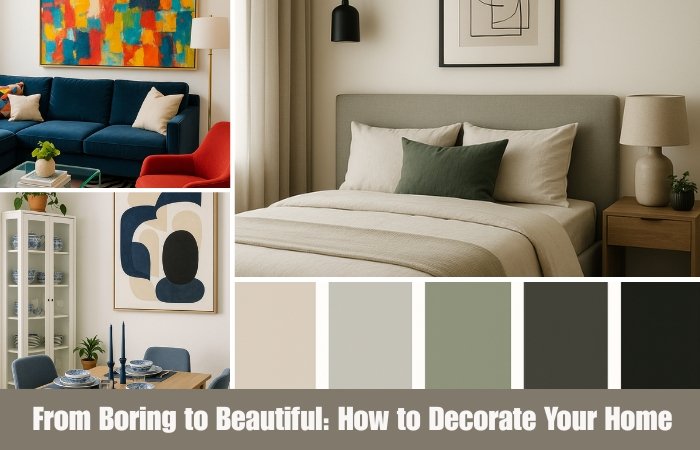
Decorating your home can be a beautiful and fulfilling experience. Whether you’ve just moved in or want to refresh your current space, the way you style your surroundings can truly change how your home feels. You don’t need to be a trained designer to create a space that’s inviting, functional, and reflective of your personality. Here are 5 helpful and easy-to-follow tips to learn how to Decorate Your Home like a pro.
Related Articles:
- How to Design a Gallery Wall: Simple Tips for Any Space
- How to Decorate Using Artwork as the Focal Point
- Don’t Miss Out- How to Add Character to Your Home
1. Start with Inspiration
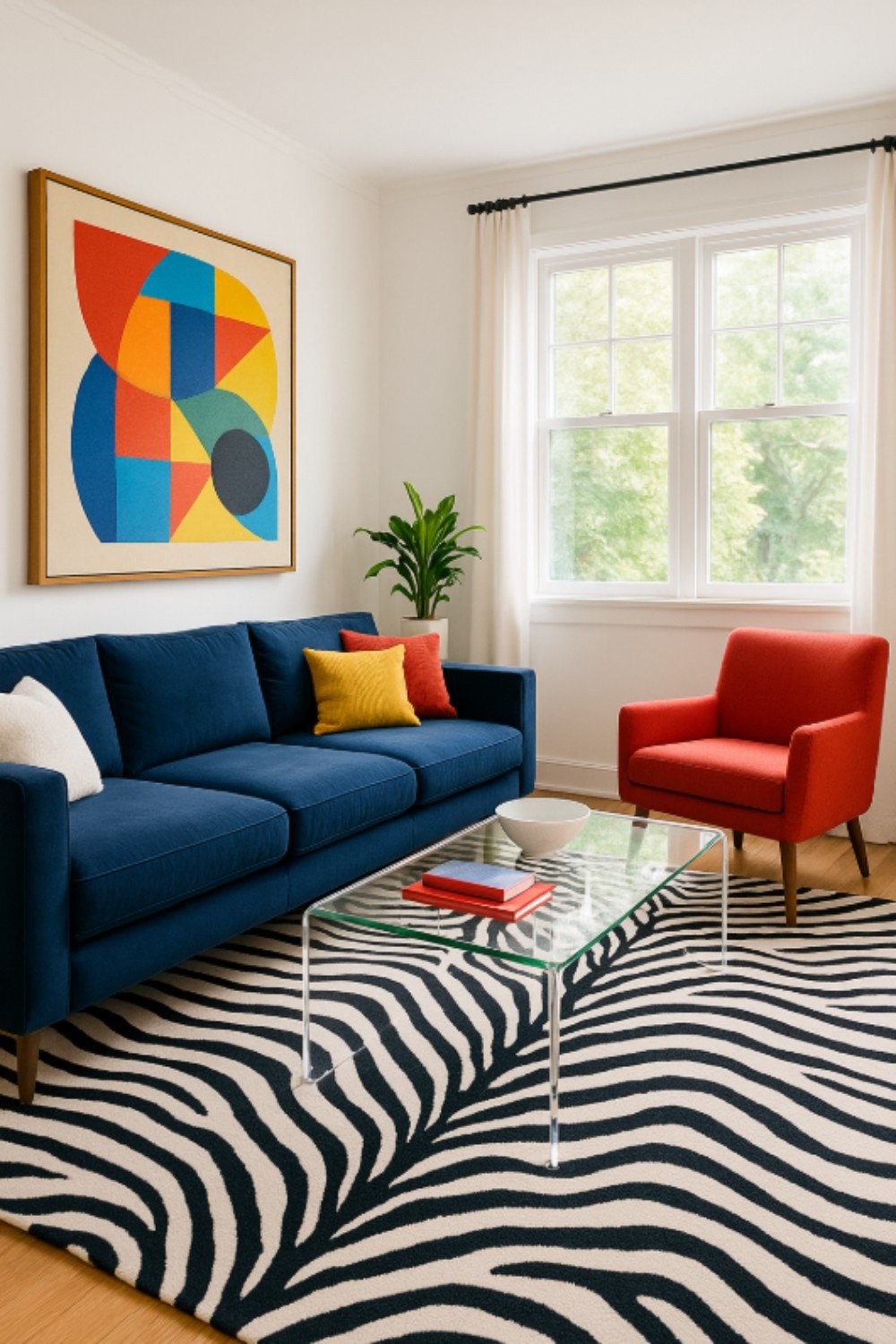
Before you pick up a paintbrush or shop for furniture, pause and gather some visual inspiration. Think about how you want your home to feel—warm and cozy, clean and minimal, bold and creative?
Pinterest, Instagram, design blogs, or even home decor magazines can help you explore different styles. Create a mood board or save images that speak to you. Over time, a pattern will emerge, helping you identify your preferred colors, shapes, textures, and layouts.
This simple step creates clarity and prevents impulsive or mismatched purchases.
⭐CHT Expert Tip: Don’t just save pretty pictures—identify why you saved each one. Is it the color, the layout, the mood, the lighting, or the textures? Label your saved images with quick notes. This builds a clear direction and keeps your style consistent throughout your home.
Suggested Read: How to find Your Personal Design Style?
2. Choose a Color Palette You Love
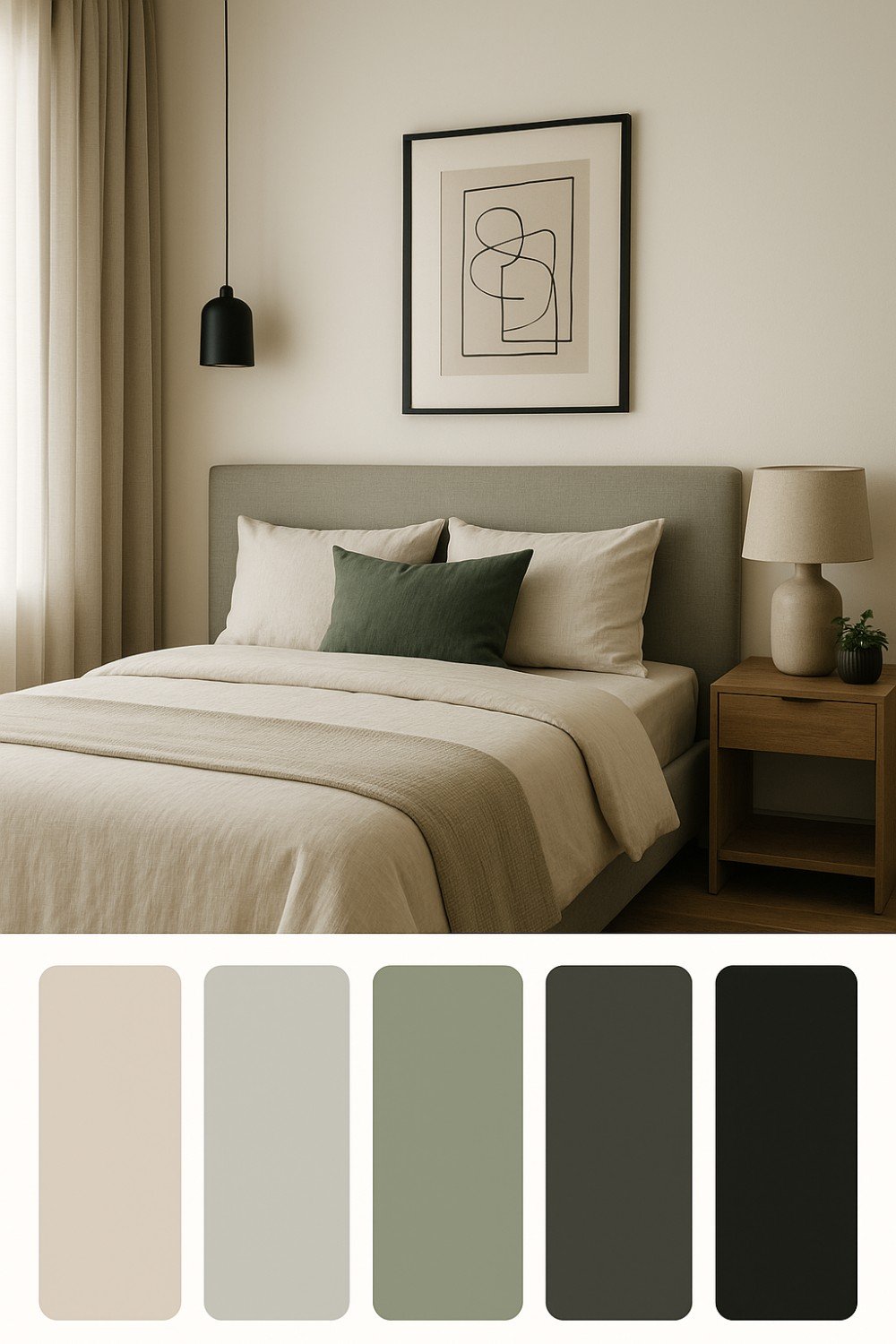
Color sets the tone for your entire home. Instead of choosing wall paint first, begin with items that are harder to change—like sofa fabrics, tiles, or rugs. Paint can be adjusted later to match these elements.
Stick to the classic 60–30–10 rule:
- 60% primary color: for walls, large furniture, and rugs
- 30% secondary color: for smaller furniture, curtains, or bed linens
- 10% accent color: for vases, cushions, clocks, or planters
This formula brings balance and flow. If you like a more vibrant style, you can go for a 60–30–5–5 split and introduce two accent colors.
⭐CHT Expert Tip: Pick one “anchor color” that repeats throughout the home—this creates flow even if each room has its own personality. Use it in small accents like cushions, artwork, or rug patterns to tie everything together effortlessly.
If you’re still exploring color options or feeling unsure about where to start, you’ll love diving into a few of our most helpful guides. Check out 24 Brilliant Ideas for Living Room Paint Colors for instant inspiration, explore how different shades impact mood in Color Psychology in Interior Design: A Beginner’s Guide, or learn how to avoid common paint mistakes with How to Choose Wall Paint Colors—Before You Regret That First Coat! These resources make choosing the perfect palette so much easier—and a lot more fun.
3. Let Furniture Make a Statement
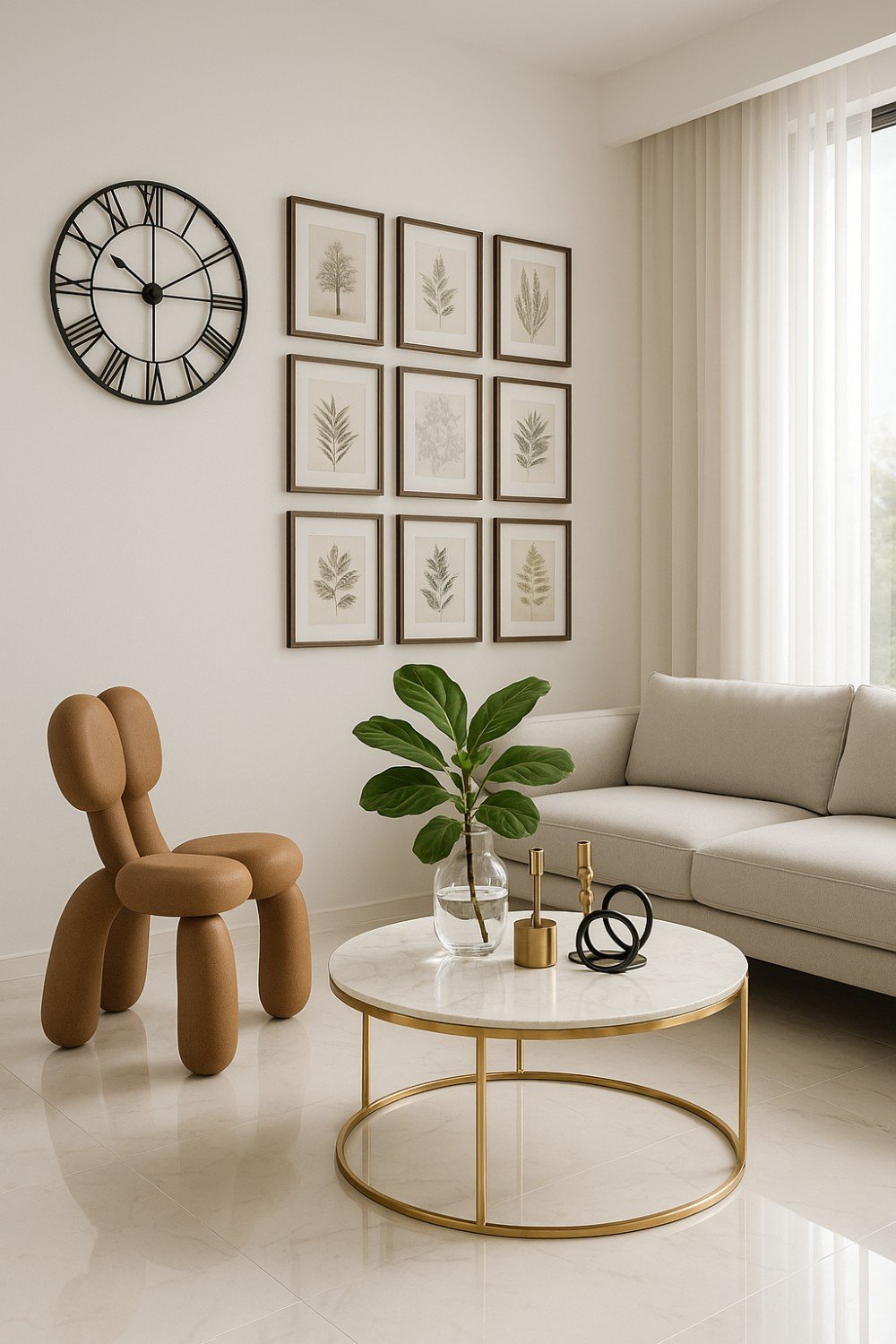
Furniture is more than just functional—it shapes the character of your home. Choose one key statement piece in each room, like a unique coffee table, a sculptural armchair, or a vintage cabinet.
Avoid using similar styles across all pieces. For example, balance leggy furniture with a few solid, grounded items like a skirted ottoman or a bold sideboard.
Let your hero piece shine while the rest support the overall look. When everything competes for attention, the room feels cluttered rather than curated.
⭐CHT Expert Tip: If you’re unsure which furniture piece should be the hero, choose the one with the most visual weight—bold color, unique shape, or standout texture. Then keep surrounding pieces simpler to let it shine without overwhelming the room.
4. Add Texture and Play with Patterns
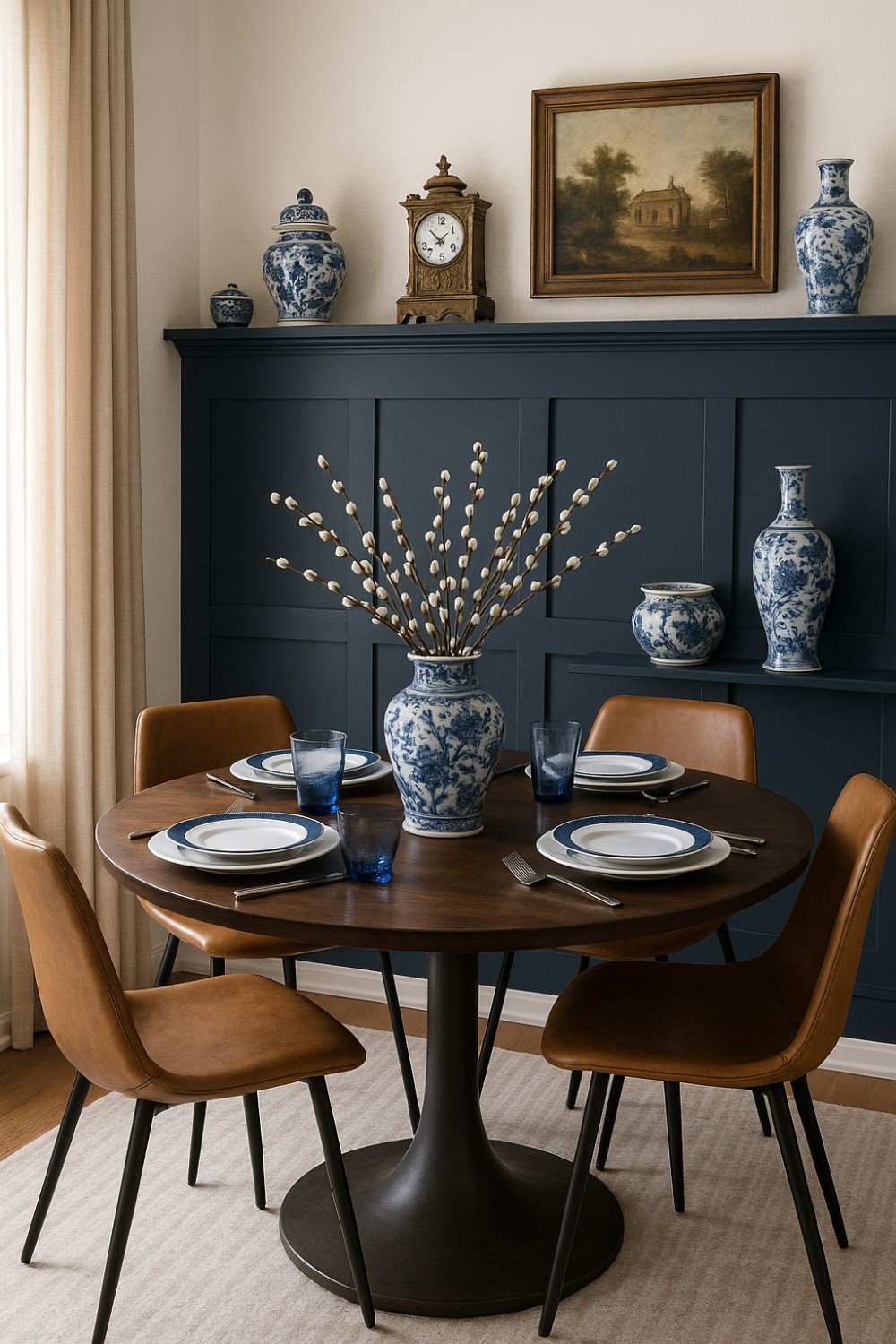
Texture brings depth and warmth, while patterns add energy and personality. They’re not the same thing—texture refers to how something feels or appears to feel (smooth, rough, glossy, matte), while pattern is a repeated design or motif.
Introduce texture with fabrics, wood, stone, metal, and glass. Mix these materials thoughtfully to avoid monotony.
As for patterns, be selective. Stick to one or two patterns in a space and repeat them across different elements like cushions, wallpaper, or upholstery. This keeps the design cohesive and calm.
⭐CHT Expert Tip: Balance texture the same way you balance color—if your sofa is smooth, choose a textured throw; if your rug is patterned, keep cushions more subtle. Harmony between quiet and bold elements keeps your space warm and sophisticated.
5. Bring in the Beauty of Nature
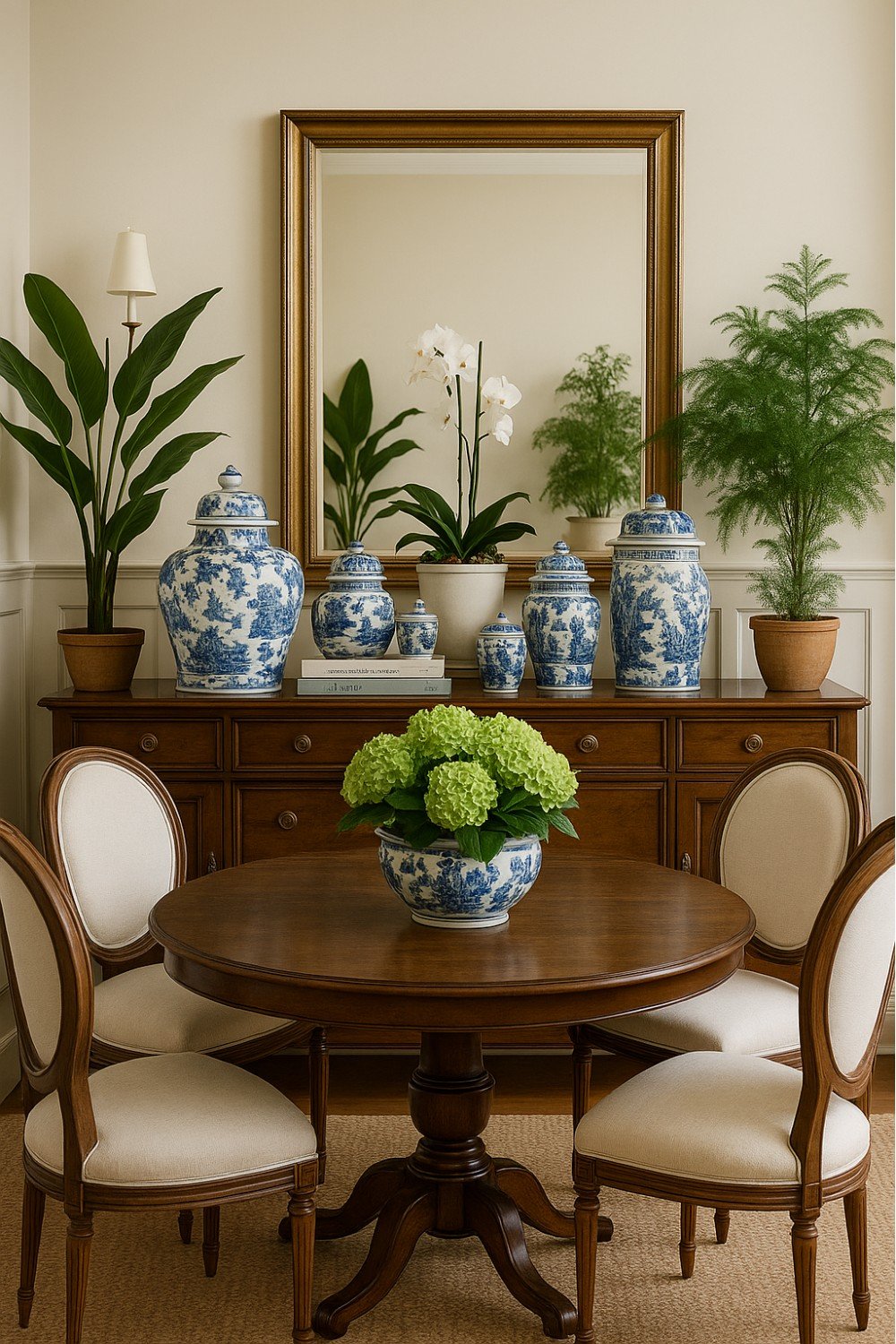
Plants and flowers instantly breathe life into your home. Whether it’s a tall leafy plant in the corner or a vase of fresh blooms on the dining table, greenery adds color, movement, and freshness.
If you’re short on time, consider low-maintenance indoor plants or even a combination of real and faux greenery.
Adding a water feature—like a small fountain or bowl of water with floating candles—can further enhance the sense of calm. It’s a simple way to connect your space with nature.
⭐CHT Expert Tip: When adding greenery, choose plant pots that match your room’s material palette—ceramic for modern, rattan for boho, brass for luxe. The pot is as important as the plant in elevating your décor.
✨ Bonus Pro Tip: Create a Mood Board
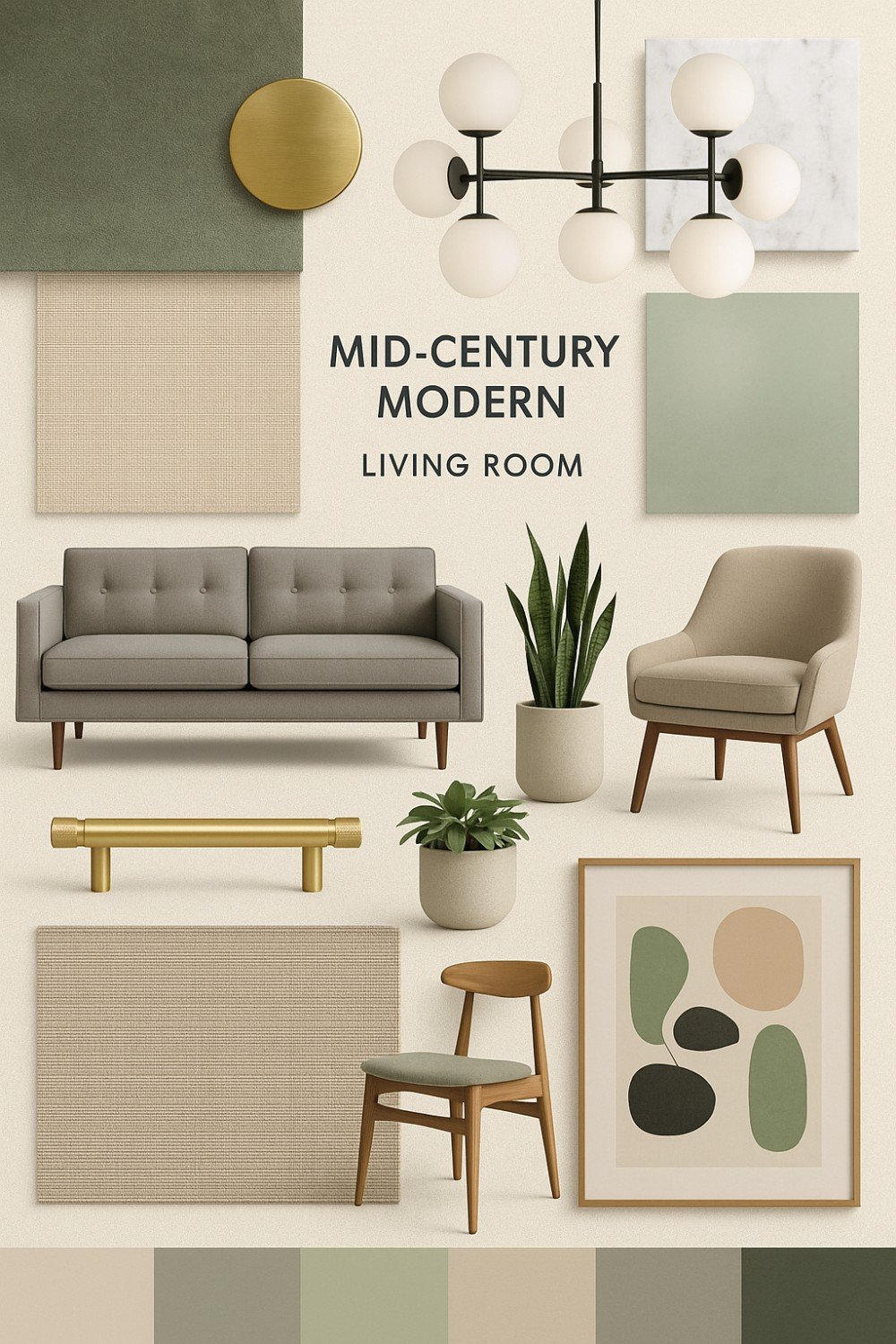
Want to take your planning a step further? Create a mood board!
Whether digital or physical, a mood board helps you collect and visualize your ideas in one place. Combine saved photos, color swatches, textures, and product images to see how everything fits together before you commit to a final look. It’s a helpful tool even professionals use to stay focused and avoid mismatched decisions.
⭐CHT Expert Tip: Before finalizing your mood board, remove at least two items. Editing helps eliminate visual noise and ensures every element you choose genuinely adds value to your final design vision.
Final Thoughts
Designing your home like a pro isn’t about perfection. It’s about creating a space that feels like you. Start with inspiration, trust your taste, and let your choices tell a story. Use these five tips as a guide, but don’t be afraid to personalize your journey.
Your home should be your haven—one that makes you feel happy, relaxed, and truly at home.
Happy decorating!
⭐ FAQ — Cozy Haven Tales Home Decorating Guide
Pick one main style as your foundation and sprinkle elements from the others. This keeps your home cohesive while still expressing your personality.
Choose major furniture, rugs, or tiles first. Paint is the easiest element to adjust later.
Usually 1–2. Each should serve a different purpose (e.g., one chair + one lighting piece) so they don’t compete.
Stick to one color palette and vary scale: small pattern + medium + bold. This creates harmony.
At least three: soft (fabric), natural (wood/cane), and sleek (glass/metal). This adds instant depth.
Choose statement pieces that share at least one visual connection—color, material, or shape. For example, a brass chandelier pairs beautifully with a brass-framed mirror, even if their styles differ.
Pick the one that sparks the most joy and fits your room’s function. The others can become accent pieces in different rooms, so each space gets its moment of drama.
Add warm lighting, soft throws, layered pillows, natural textures, and a plant or two.
Pick art that reflects your personality—in color, mood, or theme. If unsure, go larger rather than smaller for visual impact.
Swap cushions, throws, add plants, rearrange furniture, or add a new lamp. Small changes = big difference.

4 Comments