If your home never feels “done,” no matter how often you clean, you’re not failing at organization.
Most homes aren’t messy because of bad habits—they’re overwhelmed by volume.
Modern homes are asked to store more than they were ever designed for. The result? Constant effort, mental fatigue, and a space that never truly resets.
Below are seven clear signals your home is overburdened—and how to fix the problem in ways that actually make daily life easier.
You might also like:
- How To Declutter and Organize Your Home: 20 Easy Tips
- Still Living in Bedroom Chaos? Declutter Bedroom This Way!
- Simplify Your Space: How to organise kitchen to make it functional!
1. Your Effort Disappears Almost Immediately
You clean, step back, and it looks good.
Then life happens—and within hours, it feels undone.

This isn’t because you’re careless. It’s because your home has no margin. When every surface is already near capacity, even small daily actions create visible mess.
Pro tip-
👉 Create “landing space,” not storage.
Instead of asking Where can I fit more?, ask What needs breathing room? Clear one surface in each room so daily life has somewhere to land without creating chaos.
2. Returning Items Requires Mental Energy
If putting things away feels like a mini decision-making task, your system is asking too much of you.
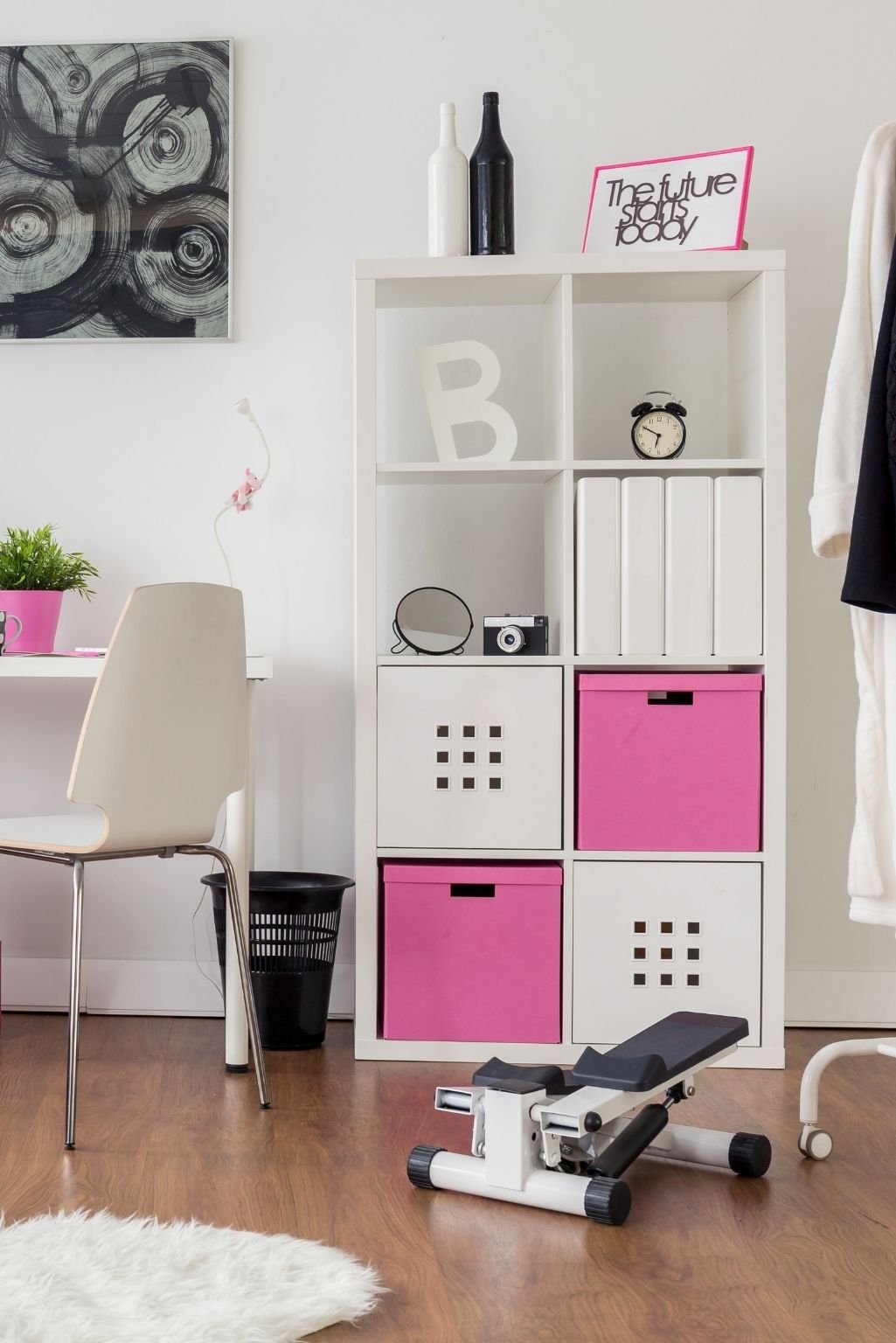
Homes that function well rely on muscle memory, not motivation. When you have to stop and think, clutter naturally accumulates.
Pro tip-
👉 Match storage to behavior, not intention.
Observe where you naturally drop items, then create a simple home there. Fighting your habits costs more energy than adjusting your space.
3. Objects Keep Circulating Without Ever Settling

Some items seem to float—moving from room to room but never belonging anywhere.
This happens when possessions exist without purpose or placement.
Pro tip-
👉 Give wandering items a final decision.
Either assign them a permanent, logical home—or let them go. Temporary storage creates permanent noise.
4. Your Storage Feels Like It’s Pushing Back
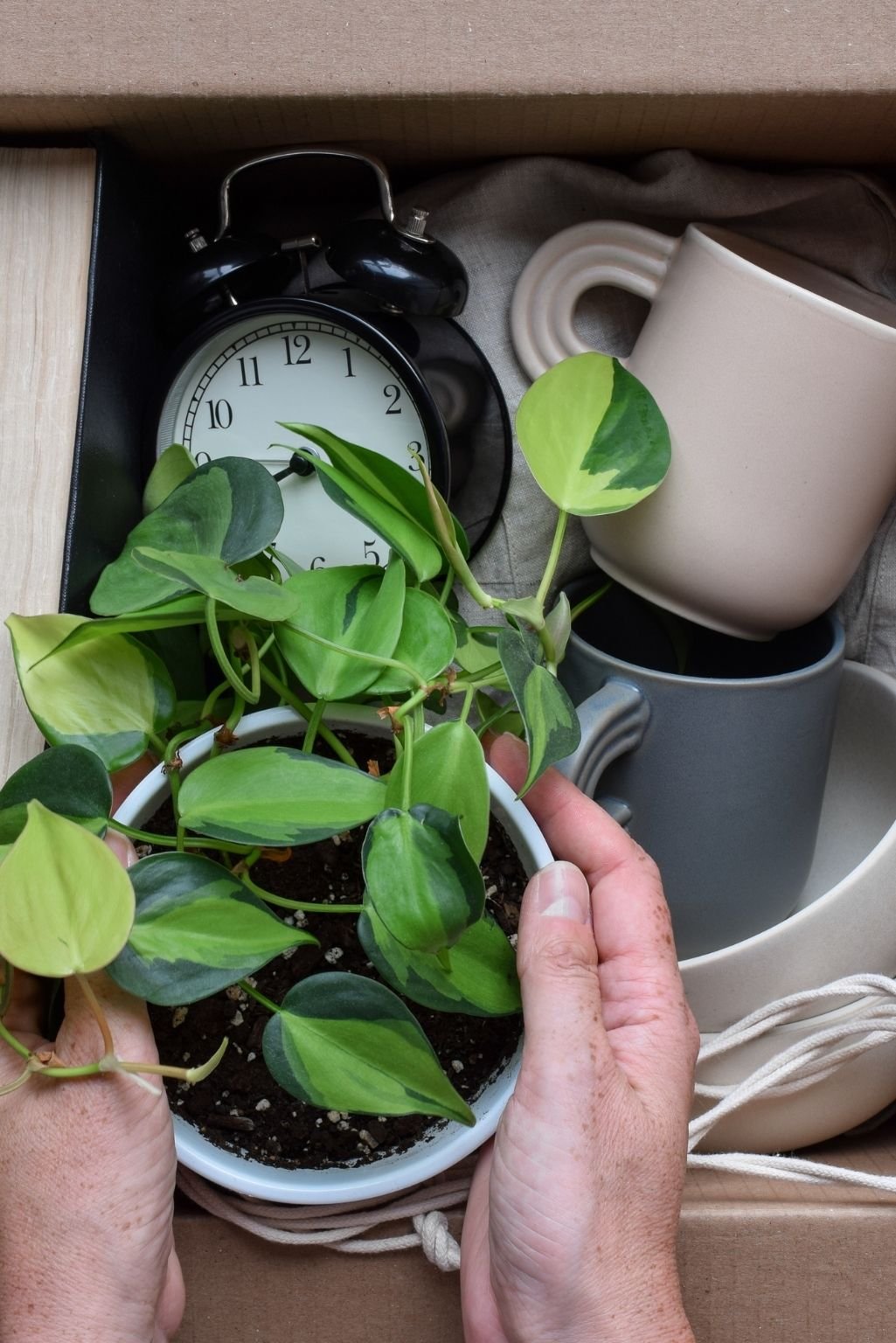
When drawers resist, cabinets bulge, or shelves feel unstable, your home is signaling overload.
This physical resistance creates emotional resistance—you avoid opening, using, or maintaining these spaces.
Pro tip-
👉 Reduce until storage feels calm, not full.
A storage area should open smoothly and close easily every time. That ease is what makes maintenance possible long-term.
5. Certain Areas Create Immediate Stress
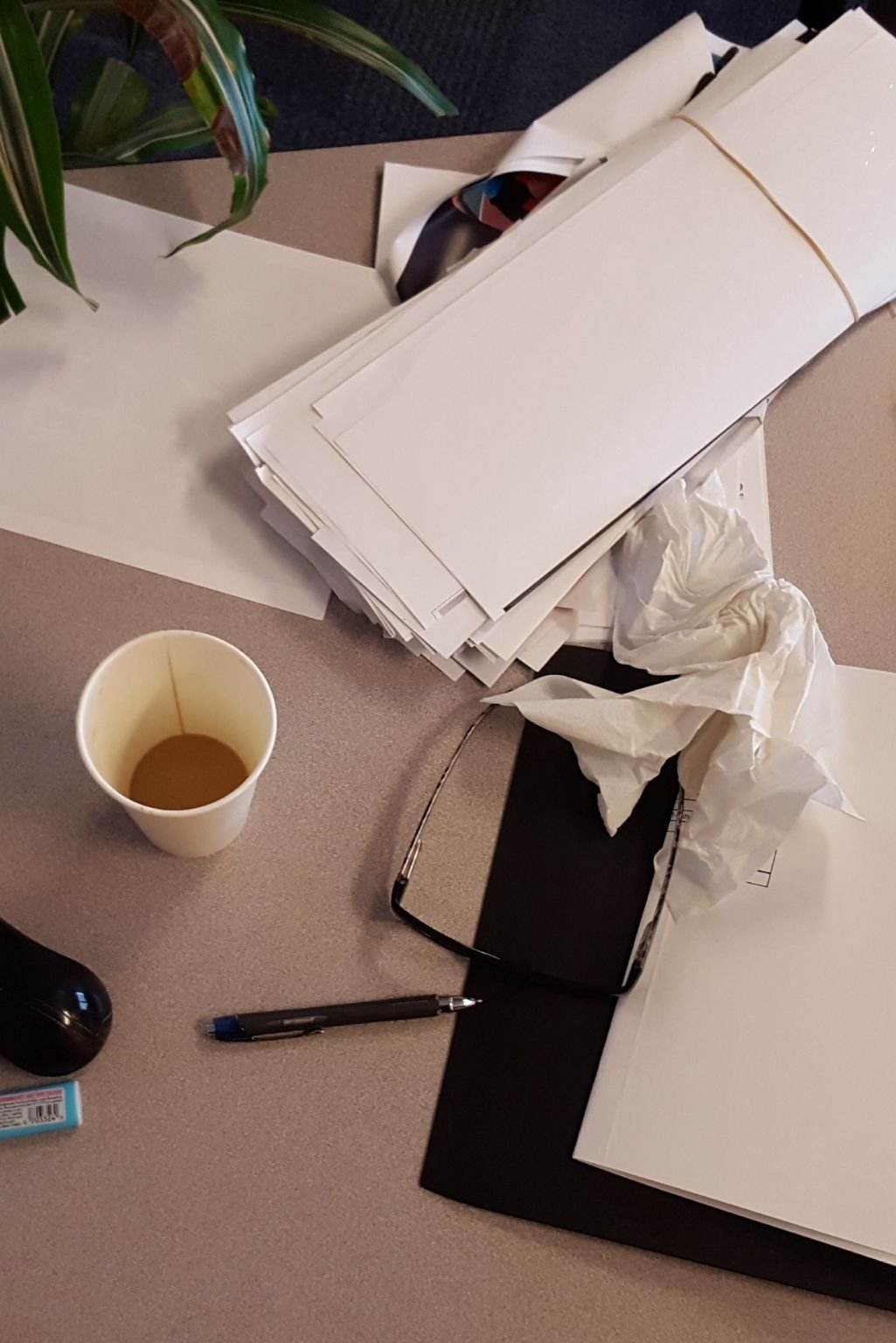
If you avoid a shelf, cupboard, or corner of your home, your nervous system already knows it’s too much.
Avoidance isn’t about discipline—it’s about self-preservation.
Pro tip-
👉 Start where stress lives, not where it’s easy.
Decluttering the most avoided space gives the highest emotional return. Even small progress here lowers background anxiety throughout your day.
6. You Keep Hoping Better Systems Will Save You

Buying organizers feels productive. It feels like action.
But when volume stays the same, organization just compresses the problem.
Pro tip-
👉 Declutter to reveal the system you already need.
Once excess is removed, the right organizing method becomes obvious—and often minimal.
7. Your Home Requires Energy You Don’t Always Have
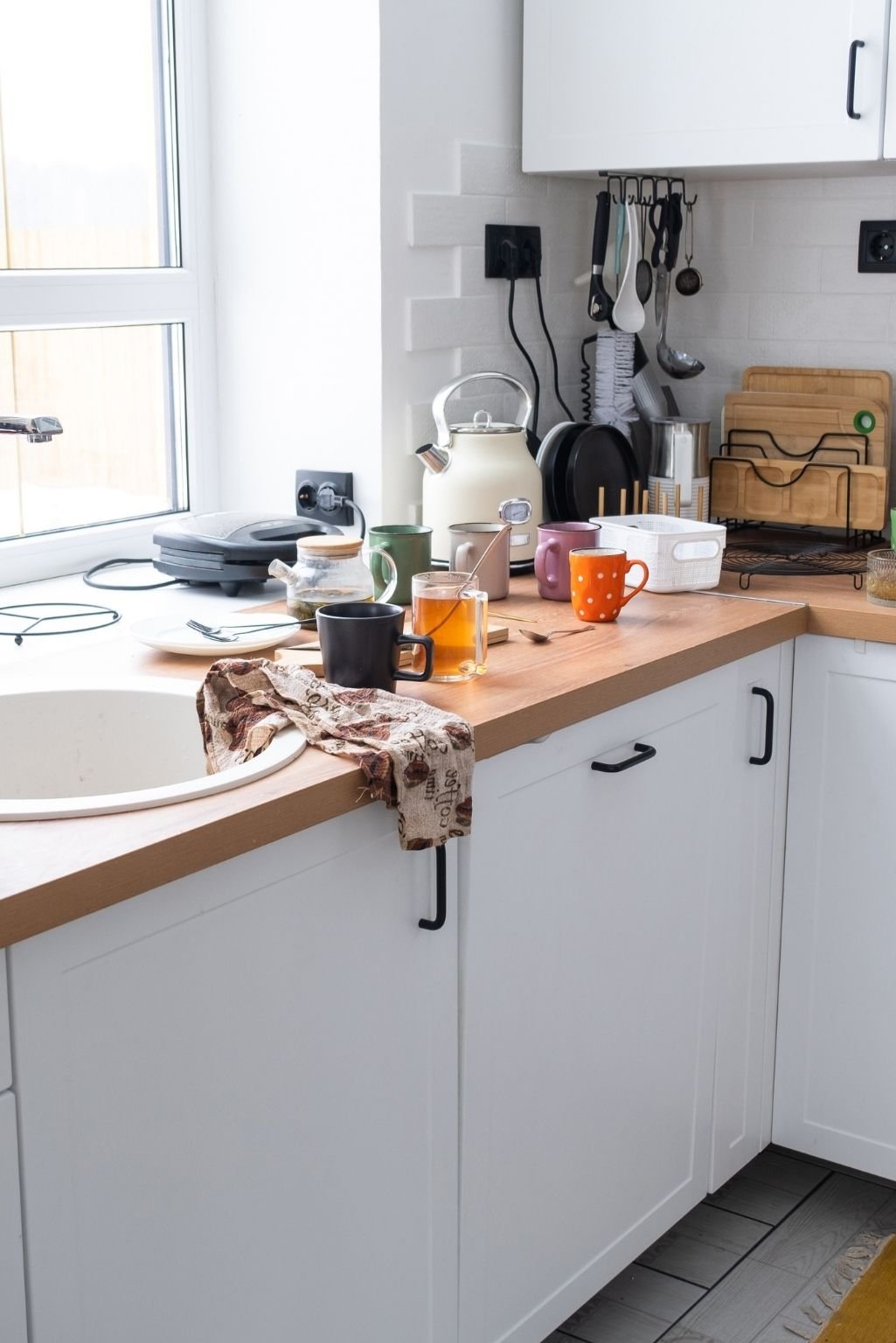
If your space only works when you’re motivated, rested, and focused, it’s not designed for real life.
A supportive home should function even when you’re exhausted.
Pro tip-
👉 Design for your lowest-energy days.
Ask: What could I remove so this room resets in five minutes or less?
Less stuff is the most reliable productivity hack you’ll ever use.
Why This Matters More Than Aesthetics
Excess doesn’t just fill closets.
It fills mental space, decision fatigue, and background stress.
Decluttering isn’t about minimalism.
It’s about reducing the daily effort required to live.
When your home holds only what it can comfortably support, you don’t have to try so hard. Things flow. Cleaning sticks. And your space finally works with you instead of against you.
Cozy Haven’s Pro Tips: What to Do If You Notice These 7 Red Flags
If you recognize yourself in these red flags, don’t try to fix everything at once. Overloaded homes don’t need discipline—they need relief.
Here’s how to start gently and effectively.
🌿 1. Reduce Volume Before Improving Systems
If organizing hasn’t worked, stop optimizing and start removing.
Less volume instantly lowers effort.
Try this: Choose one drawer or surface and remove 20%. No sorting. No perfect decisions.
🌿 2. Create Space for Daily Life to Land
Homes feel chaotic when everyday actions have nowhere to go.
Try this: Clear one surface in each room and keep it intentionally open.
🌿 3. Match Storage to Real Habits
If items never make it back to their “home,” the home is wrong.
Try this: Place storage where you naturally drop things—not where you think they should go.
🌿 4. Eliminate Homeless Items
Items without a clear purpose or place create constant visual noise.
Try this: When something floats from room to room, either assign it a permanent home—or let it go.
🌿 5. Make Storage Feel Calm, Not Full
Overflow creates resistance. Resistance creates avoidance.
Try this: Leave visible empty space in drawers and cabinets so they open and close easily.
🌿 6. Declutter the Spaces You Avoid First
Avoided spaces quietly drain energy—even when closed.
Try this: Spend 10 minutes decluttering one avoided area. Stop early if needed. Relief builds fast.
🌿 7. Design for Low-Energy Days
A supportive home works even when you’re tired.
Try this: Ask, What could I remove so this room resets in five minutes or less?
A Gentle Reminder as You Close This Page
If you recognized your home in even one of these red flags, let this be reassuring—not discouraging.
A home that feels overwhelming isn’t broken.
It’s simply carrying more than it was ever meant to hold.
You don’t need stricter routines, better storage, or more motivation. What brings the biggest shift is relief—less to manage, fewer decisions to make, and more space for everyday life to unfold naturally.
Decluttering doesn’t have to be dramatic or all-at-once. One drawer. One surface. One small release at a time is enough to change how your home feels.
When your space asks less of you, you’ll notice it everywhere—in how quickly rooms reset, how your mind feels quieter, and how being home becomes easier again.
And that’s what a cozy haven is meant to be.